Wales is blessed with the best of both worlds: areas of breathtaking natural beauty mix with cities and towns packed with Welsh charm. Keen photographers can scale high mountains for panoramic shots, cross waters to capture wide-angled beach landscapes or get right down amongst the flora and fauna that has taken hold in lakes, disused mines and castle grounds.
With contrasting beauty all around this petite yet powerful country, it’s hard to resist snapping a photo to share with others. Here are 10 of the best places to go if you want to photograph Wales at its best.
Surfers return from the water on Wales’s Gower Peninsula, with Worm’s Head in the background
The showstopping Gower Peninsula
It’s easy to see why this 19-mile stretch of the Wales Coastal Path was the UK’s first Area of Outstanding Natural Beauty. To hone in on the highlights, travel along the Gower Peninsula by car or bike, stopping at the most scenic points.
Start with Mumbles, a small fishing village that’s extremely popular when the sun appears. You can snap surfers emerging from the waves and dogs drying off on the pier, with Swansea on the distant horizon. Head west to Three Cliffs Bay, with its three limestone cliffs, salt marshes and sand dunes. Finally, at Rhossili, walk out onto the jutting stretch of land known as Worm’s Head to capture wide shots of Rhossili Bay.
Bright colours illuminate Portmeirion, a North Wales village
Mediterranean vibes in Portmeirion
This coastal resort in North Wales has a distinctly Mediterranean feel. Designed by Sir Clough Williams-Ellis in the 1900s, Portmeirion’s brightly coloured buildings contrast with the blue-grey water of the Dwyryd estuary below. Frame the heritage-listed piazza by taking photographs peeking through archways, from behind curved railings or looking down from the balconies.
Night brings its own perspective: wild camping in the Ogwen Valley, in Snowdonia National Park
Snowdonia’s stunning peaks and valleys
North Wales’ national park is a dream for any photographer after stunning landscapes and rocky peaks. Catch the Snowdon Mountain Railway to be effortlessly lifted to the top of Wales’s highest peak while taking in the scenery.
A classic summit photo always proves popular online, but the best photos come from the stunning 360-degree panoramic views. On a clear day, you can see as far as Scotland and Pembrokeshire.
While in the area visit Cwm Idwal, a massive bowl-shaped valley sculpted in the mountains by ice. Come rain or shine, the lake at the base, surrounded by towering crags, offers opportunities to capture the unrefined power and beauty of nature.
Cardiff Castle’s Arab Room was the work of William Burgess, who was working on its ornate ceiling when he died in 1881
Honing in on Cardiff Castle
Thanks to its domineering exterior and opulent Victorian Gothic interior, the castle at the centre of Wales’ capital city has literally hundreds of great spots to set up a camera and shoot. To get wide shots of the keep, rest your camera on one of the picnic tables near the entrance to the Castle Apartments. It’s almost like they were positioned for this purpose!
Inside the Arab Room, the incredible gold ceiling calls out to be the star of the show. Hone in on tiny details or try to capture the contrast between the strict structural shape of the ceiling and the curves of the painted designs. Elsewhere, you’ll find spiral staircases, intricate wood carvings and elaborate murals; you just have to look carefully.
Bright flowers overlook the idyllic harbour and pastel houses of Tenby
Ice cream and pastels in Tenby
Photographers are spoilt for choice at Tenby, a quaint seaside town in Pembrokeshire with three beaches. The harbour on North Beach, complete with boats, ice cream kiosks and fishermen, is a picturesque place to start. Experiment with the pastel-shaded town houses on the hill of Bridge St, a slope into the foregrounded harbour. South Beach’s vast spread of maize-coloured sand, sandwiched by the Bristol Channel and the lush green hills of Pembrokeshire, is well worth capturing too.
Focusing on details around the Principality Stadium can be rewarding: here, a rescue boat does the rounds on the River Taff before 2017’s Champions League final
The Principality Stadium: a sporting epic
The national stadium of Wales doesn’t need world-class sporting clashes or chart-topping bands to look impressive. With a footprint of 40,000sq metres and a height of 90m, the Principality Stadium dominates the city skyline. It can be hard to fit the whole stadium into your viewfinder, but you can cross the bridge near One Central Square to reach Fitzhamon Embankment, which offers a riverside view, with the River Taff washing along the foreground. Alternatively, stroll along the boardwalk beside the stadium for close-ups or wander southward along Taffs Mead Embankment for more distant shots of the stadium.
Classic seaside action on Barry Island, with pink candyfloss foregrounded against a mellow beach scene
Rockpools and ramblers in Barry Island
After consuming a tray of chips on the seafront, wipe your hands and head along Whitmore Bay. On a sunny day, Barry Island is full of life with families, ramblers, dog walkers, sunbathers and ice cream vendors. It’s great for full-colour snapshots of seaside holiday life, the neon glow from amusement arcades and the stripey windbreakers on the beach capturing the vibrancy of this popular staycation destination.
Even on murkier days, there’s still fun to be had. The rockpools provide a chance to play with macro settings by photographing limpets, crabs and shrimps against moody grey rocks. From the hilltop further along, you can get wonderful panoramic shots with dramatic clouds, book-ended by the Bristol Channel on one side and the promenade’s beach huts and multi-coloured climbing wall on the other.
Pleasure boats and a lighthouse are among the subjects for Insragram snaps in Roath
Swans and paddle boats in Roath Park
Huge Roath Park in Cardiff is packed with greenery, wildlife and water features. A walk around the lake will give you a good chance to take photos of the water and its neighbouring landmarks, such as the boathouse full of paddle boats, cute wooden signposts amongst the trees and benches surrounded by swans.
Walk along the promenade to obtain front-facing shots of the famous white lighthouse. At sunset, this can provide a bright focal point when the night purples the sky in the background. Take time to explore the paths around the park too, as here you can discover mini waterfalls, meticulous flower beds, arches formed from bowing branches and sculptures beside the greenhouse.
Water cascades down from Craig Goch dam in the Elan Valley, North Wales
Dam good: the Elan Valley
All along the Elan Valley in Mid-Wales are photogenic examples of how man and nature can co-exist. Four man-made dams stretch across the river Elan, while two dams span the river Claerwen. Each dam is accessible and has its own unique features, but the most spectacular dam is Craig Goch (meaning ‘Red Rock’).
A fast shutter speed on your camera will freeze the cascading water, giving definition to the individual sections. Slower shutter speeds will create a misty effect where one level of water hits another, which works really well on the highest of the dams. At night, this area is perfect for star photography.
Peeking down from the 1st floor balcony of Castle Arcade in Cardiff
Over the years, you’ve told us your ultimate travel experiences – so here it is, the definitive travel wish list…
Marine iguanas, Galápagos Islands.
1. Cruise the Galápagos Islands, Ecuador
One day you’re watching giant tortoises mate in swirling mists, then you’re nose-to-nose with a seafaring marine iguana, or snorkelling with a group of penguins. As Darwin appreciated, neighbouring islands have sub-species that have developed differently, leading to one of the most important, world-changing discoveries ever known: evolution.
Make it happen: The best way to explore is by boat. Although three- or four-night cruises are available, try to go for a week at least.
2. Arrive in Timbuktu, Mali
The small, dusty town of Timbuktu has long been a byword for isolation. Visit the bustling market, where salt was once worth as much as gold, and then cool down with sweet tea as you barter for silver with the Tuareg nomads. Come sunset, venture out into the desert by camel, and drift to sleep under a million stars.
Make it happen: Note that the FCO currently advises against travel to Timbuktu. If you choose to go, you can fly from Bamako to Timbuktu airport, or take a Niger River trip.
Tuaregs in Timbuktu.
Mountain gorillas in Uganda. (Dreamstime)
3. Meet mountain gorillas, Rwanda/Uganda
Alan Wood, one of our readers put it perfectly when he said, “Imagine our surprise when we came upon the family of gorillas all sleeping peacefully with only the silverback on watch. We sat enchanted at their feet and, after a while, they started to wake and stretch just like a human family in the morning. He was unperturbed by our presence and we felt privileged to be visiting.”
Make it happen: fly to Rwanda or Uganda. For Rwanda, fly to Kigali, and for Uganda, fly to Entebbe, near Kampala. In both countries, gorilla-trekking permits start from US $500.
4. Discover wildlife in Madagascar
Madagascar is the oldest island on earth, and its flora and fauna have evolved in isolation over tens of millions of years. Madagascar developed lemurs, a gentle primate. There are 86 different species recognised, ranging from mouse lemurs up to the indri, the size of a chimpanzee. A stunning 90% of Madagascar’s flora and fauna is endemic, and don’t miss the chance to see spectacular baobab trees.
Make it happen: Fly to capital Antananarivo (known as Tana). Apr/May and Oct/Nov are the best times to visit.
Baobab trees, Madagascar. (Dreamstime)
Snorkelling in Bora Bora. (Dreamstime)
5. Snorkel in Bora Bora, French Polynesia
There’s no need to don your diving gear – just bring a mask and snorkel, immerse yourself in the shallow lagoon and wait for a graceful giant to glide silently by. While you’re exploring this underwater garden, don’t be surprised if you bump into a bat, leopard or eagle ray – the waters here host some of the most diverse marine life on earth.
Make it happen: Bora Bora is 250km north-west of Tahiti. Daily flights from Tahiti’s Faa’a airport take 45 minutes; some stop at the islands of Moorea, Huahine and Raiatea.
6. Iguaçu Falls, Argentina/Brazil
A fine force of nature straddling the border between Argentina and Brazil, this chasm is one of the widest waterfalls in the world, consisting of 275 cascades spread in a horseshoe shape over 3km. Make the journey on foot and let your anticipation build with the growing roar before emerging to soak up the spray on a walkway or boat ride.
Make it happen: Puerto Iguazú, Argentina, is a 90-minute flight from Buenos Aires. Buses run to the visitor centre; from here, walk or take a quick train ride to the falls.
Iguaçu Falls.
Paradise Bay, Antarctica.
7. Appreciate all that ice, Antarctica
The notorious sail to Antarctica across the Drake Passage can be a tough one, but that’s swiftly forgotten as you start to see more and more ‘bergy bits’. Of course, the wildlife is a reason to go to Antarctica too: the various penguins steal your heart while sightings of whales, leopard seals and snowy shearwaters will make any trip memorable.
Make it happen: Expedition cruises leave from Ushuaia (Argentina), Christchurch (NZ) and Hobart (Tasmania).
8. Sit on the summit of Stromboli, Italy
The climb up takes two to three hours, moving through fig trees, oleander and broom at the base to sparse shrubs further up and finally nothing but black volcanic rock. If you set off in the afternoon, you reach the summit at dusk. Hard-hat on, you spend an hour ooh-ing and ahh-ing as magma bubbles through the volcano’s vents.
Make it happen: Stromboli is a four-hour ferry or 1.5-hour hydrofoil journey from the Aeolian Island of Lipari. There is no airport.
Stromboli, Italy
Salar de Uyuni, Bolivia.
9. Salar de Uyuni salt flats, Bolivia
In the dry season these vast expanses appear as an endless patchwork of hexagonal shapes, white as the Arctic; in the rainy season (December to April) the area becomes a 9,000 sq km mirror, giving the sensation of travelling across the sky. Drive out over the plains in a jeep and stay in a hotel made out of salt – beds, chairs, tables, the lot.
Make it happen: The hub-town of Uyuni is a seven-hour bus ride from Potosí; 12-15 hours by bus from La Paz. The seven-hour train ride from Oruro is a scenic option.
10. Venture to Shibam, Yemen
In the words of our Wanderlust reader Jane Baxter, “As you approach Shibam by plane, you get spectacular views of the mud-brick towns of the Hadhramaut built high into the rugged flat-topped mountains. Shibam dates from the fourth century and all the houses – which rise up to nine storeys – are made from mud-brick, with decorated doors and windows.”
Make it happen: Yemen is currently off-limits: the Foreign Office advises against all travel to the whole of the country.
Shibam, Yemen.
Bagan, Myanmar.
11. Visit the temples of Bagan, Myanmar
It’s the sheer scale that astounds: the remains of 2,217 ancient stone temples, scattered across a vast, barren, copper-coloured plain. From the 11th to 13th centuries this 41 sq km complex was the biggest religious and cultural centre in the world. Now dusty and abandoned, what is left is best toured by bicycle or by horse and cart.
Make it happen: Bagan is 140km south-west of Mandalay.
12. Watch the sun rise over Angkor Wat, Cambodia
It’s the combination of beauty and scale that provides the wow factor for this temple, the principal monument in a complex that includes Hindu and Buddhist temples in their hundreds. Arrive early to catch the sunrise and miss the crowds, and make the most of that famous view from across the moat, where Angkor Wat is reflected in the water.
Make it happen: Siem Reap is the hub town for Angkor, served by flights from cities including Bangkok and Hanoi.
Angkor Wat, Cambodia.
Petra, Jordan.
13. Get a glimpse of ancient Petra, Jordan
Deep in the Jordanian desert, hemmed in by sandstone crags and approached along a slither of a canyon, suddenly an ancient facade looms out of the rock. And not a weathered outline: a crisply-defined colossus, six mighty pillars guarding the entrance as if the Nabateans (who built them two millennia ago) had just popped out for lunch.
Make it happen: Allow two days (or more). See our Petra travel guide for more information.
14. Take a mokoro through the Okavango Delta, Botswana
Traditionally carved from a tree trunk, the mokoro was the common means of transport of the Bavei tribe. Today, fibreglass is increasingly common, rather than wood, but these canoes are still the best ways to explore the channels and waterways of the largest delta in the world.
Make it happen: Maun is the gateway into the region. Pick up a safari there, or pre-book with a specialist.
Okavango Delta, Botswana. (Shutterstock)
Karakoram Highway, Pakistan.
15. Travel the Karakoram Highway, Pakistan
This is the stuff of travel legend. The route wriggles from north of Islamabad to Kashgar in China, and there are plenty of adventures on the way: you’ll drink tea with polo players, see peaks soaring over 7,000m and spot ancient rock art by the roadside. You’ll be whiplashed, bruised and exhausted. You’ll have the time of your life.
Make it happen: UK nationals require a visa to enter Pakistan.
16. Trek to Machu Picchu, Peru
How did they do that? How did those 15th century Inca architects construct a city of mortarless stone, 2,500m up in the Andes? This is engineering of the tallest order, in the most dramatic of settings – one so remote even the conquistadores couldn’t find it. Today, access is a little easier – but the views and the achievement no less impressive.
Make it happen: The classic 43km Inca Trail hike from Km88 to Machu Picchu takes 3-4 days; permits are necessary – independent trekking is not allowed.
Machu Picchu, Peru.
Perito Morena Glacier, Argentina.
17. Watch the Perito Moreno Glacier, Argentina
Sail up to Perito Moreno’s terminus to appreciate its scale: the white-blue cliff is up to 70m high, advancing into Lake Argentino. Keep a safe distance: every now and then the glacier heaves, and huge chunks calve off into the water below.
Make it happen: Los Glaciares NP is 78km from El Calafate, accessible by car or bus. Boat tours can be taken from Puerto Bandera;
.
18. Hike the Tongariro Crossing, New Zealand
It’s touted as New Zealand’s – if not the world’s – best day walk. It’s a manageable challenge – at six to eight hours it will test but not break you. Then there’s the variety: from the shrubby Mangatepopo Valley, to the lunar Red Crater, the sulphurous sparkles of Blue and Emerald Lakes and, finally, the descent into lush forest.
Make it happen: The Crossing starts from Mangatepopo Roadend, 6km off Highway 47; it finishes at Ketetahi Roadend. Local operators can arrange transfers.
Tongariro Crossing, New Zealand.
Easter Island, Chile.
19. Meet moai in Easter Island, Chile
Polynesians first arrived on the isolated outcrop of Easter Island around AD 300. And here they stayed, unbothered by anyone, until Europeans arrived in the 18th century. In that time, they got creative, constructing nearly 900 stone moai. Believed to represent ancient ancestors, many of these spirits continue to watch over the island today.
Make it happen: Easter Island is 3,800km west of mainland Chile. Flights from Santiago take around five hours; onward flights to Tahiti are around five hours.
20. Lounge on islands, Malaysia
These coral-fringed islands offer lush forest scenery, unspoiled white beaches and plentiful opportunities for scuba diving in their pristine turquoise waters. Get hands-on with turtle conservation projects or stretch your legs on a trek through inland jungle brimming with wildlife (including exotic birds, monkeys and giant monitor lizards).
Make it happen: The Perhentian Islands can be accessed by boat from Kuala Besut, 110km north of Kuala Terengganu. Ferries to Tioman run from Mersing.
Perhentian Kecil, Malaysia.
Tikal, Guatemala.
21. Marvel at the Mayan ruins of Tikal, Guatemala
Today, deep in the tangled interior of the Petén Basin, it feels like time has stood still: climb the iconic Jaguar Temple and watch the sun set over the primordial jungle for an ancient overview. Just don’t leave your bag unattended: the local coatis, raccoon-type creatures, have light paws and a penchant for muesli bars.
Make it happen: Flores is the gateway town for Tikal, serviced by flights from Guatemala City. The Flores-Tikal minibus ride takes around 75 minutes. Tikal is open 6am-6pm; stay overnight so you can catch sunset and sunrise at the site.
22. Delve into the dunes of Sossusvlei, Namibia
There are sand dunes, and there are sand dunes. And the Namib Desert’s offerings in this arena are the Himalaya of the granular world: the dunes here tower up to 300m, massive undulations that shape-shift with the wind. They’re not just big, they’re beautiful – gracefully curved, rippled, and apricot-orange under a perennial blue sky.
Make it happen: Sossusvlei is 590km west of Windhoek. It’s accessible by 2WD; a 4WD is necessary for the final 5km to Sossusvlei Pan (or walk from the car park).
Namib Desert, Namibia.
Trans-Siberian Railway, Russia.
23. Ride the Trans-Siberian Railway, Russia
Beginning in European Russia, the railway rolls eastwards, through the Ural mountains and the vastness of Siberia, finally ending in the Russian Far East, on the shores of the Pacific Ocean. Or maybe not. Veer off after Lake Baikal and make for Mongolia or the north of China on the railway’s Trans-Mongolian and Trans-Manchurian offshoots.
Make it happen: Most travellers begin in Moscow due to ease of access. Trans-Siberian high season runs May-September.
24. Roam the remains at Hampi, India
In the state of Karnataka lies Hampi, capital of the once great Vijayanagara Empire. The city was destroyed in 1565, but even in its present state – a vast ruin among incongruously shaped boulders – the scale of the achievement still reverberates. Get here early, hire a bicycle, and marvel at a city that was said to rival Rome.
Make it happen: Bangalore (Bengaluru) is the closest major hub with direct flights from the UK. Take the Hampi Express night train to the ruins.
Hampi, India
King penguins.
25. Sit among 100,000 king penguins, South Georgia
This spectacularly beautiful island is often summed up as being like Switzerland dropped into polar waters. You may have been told to keep 5m from the creatures, but they didn’t attend the same briefing! Expect overload at Salisbury Plain, where 100,000 king penguins crowd the beach. At Gold Harbour, get close to the giant elephant seals.
Make it happen: Join an expedition cruise to Antarctica from Ushuaia (Argentina) that takes in South Georgia.
26. See wild orang utans, Borneo
Waiting in anticipation on the forest floor, you scan the canopy above for a flash of orange. After listening to the guide’s orang utan calls, you suddenly lay eyes on these human-like creatures as they make their long-limbed way through the trees. Sanctuaries such as Sepilok and the Semenggoh Wildlife Rehabilitation Centre in Sarawak are the easiest places to get a good glimpse; in the forest you’ll need lots of luck.
Make it happen: Sepilok Orangutan Sanctuary is 23km from Sandakan; public buses run to within 1.5km of the sanctuary, or you can take a tour. Sepilok is open 8am-5pm; orang utans are fed twice daily, at 10am and 3pm.
Wild orang utan.
Safari, Botswana.
27. Go on a bush safari, Botswana
Desert, delta, forest, big skies: Botswana is the safari destination par excellence. Here, you can gallop on horseback alongside herds of zebra, sway on elephant-back above feeding antelope, or canoe the Selinda Spillway, currently full of water after being dry for 30 years.
Make it happen: Fly to Maun and pick up a safari, or cross the border from Zambia (having visited Victoria Falls en route), South Africa, Zimbabwe or Namibia.
28. Get close to Mount Everest, Nepal
Given that it’s the world’s highest mountain – an 8,848m behemoth – Everest is surprisingly accessible. Not its summit perhaps: tough training, 70 days and £30,000 are needed for that. But you can get intimate in other ways: 32km from Kathmandu, Nagarkot offers non-trekkers a breathtaking panorama, while short flights from the capital take you within touching distance.
Make it happen: The dry season (October-May) is best for clear skies. This is also peak trekking season. October-November are best; nights are cold December-February.
Mount Everest, Nepal.
Victoria Falls.
29. Feel the spray, Victoria Falls, Zambia/Zimbabwe
As the Zambezi River encounters the 1,700m-wide edge of the Victoria Falls gorge on the Zambia/Zimbabwe border it tumbles 100m into the depths below. You’ll fall head over heels for the world’s largest waterfall, as cascading torrents roar into deep pools, producing giant clouds of mist which glisten like diamonds in the African sun.
Make it happen: Victoria Falls’ water levels are highest April-June, but this is also the wet season; visit July-September for a good flow, but drier weather and better views.
30. Glimpse Torres del Paine, Chile
The sharp-shard peaks of Torres del Paine National Park, granite horns piercing the wilds of southern Chile, are fearsome. But there’s majesty and drama on a romantic scale in these mountains. Head to the lookout of Mirador Ferrier, via a winding beech-lined path from Lago Grey, for a panorama of the whole massif.
Make it happen: December to March are warmest; October to November are best for wildflowers. The Circuit hike takes 7-9 days, covering an average of 15-20km a day
Torres del Paine, Chile.
Alaska, USA.
31. Plunge into the wilderness, Alaska, USA
North America is renowned for dishing up huge portions, but it’s outdone itself with Alaska. The Last Frontier State is the USA’s biggest – but its least densely populated. It has 17 of the country’s 20 tallest mountains, topping out at the formidable 6,194m Mt McKinley, plus 70,000km of coastline, 300 rivers and around 100,000 glaciers.
Make it happen: May-August is the best time to visit; winters are long and cold, and snow can make some areas inaccessible.
32. Catch your first sight of the Taj Mahal, Agra, India
Yes, it’s familiar, but the Taj – its graceful white curves, misty reflections, exquisite inlaid stone – does not disappoint. You’ll be fighting the crowds so make your first sight special: get to the gates for dawn, to be first in to watch as the mausoleum transforms from picture-on-a-poster to living, breathing 3D beauty under the rising sun.
Make it happen: The Taj is open daily from sunrise to sunset (closed Friday); entry costs Rs750 (£10).
Taj Mahal, Agra, India.
Cappadocia, Turkey.
33. Explore Cappadocia, Turkey
Around AD 600, early Christians burrowed into the Anatolian plateau’s soft volcanic rock, creating underground homes, churches and monasteries. The result: a unique cultural adventure playground. Take a balloon ride to see the patchwork unfold beneath you. Or spend a night in your very own cave hotel.
Make it happen: Kayseri is the gateway city – fly via Istanbul, or take the train. The laid-back village of Göreme is a good base for hikes and ballooning.
34. Visit the Jokhang and Potala Palace, Tibet
Jokhang Temple, in the centre of old Lhasa, is proof of the nation’s spiritual life. It’s a kaleidoscope of colourful prayer flags and trinket stalls where monks and farmers jostle for position on the pilgrim path that surrounds it. At its heart sits a temple where each morning crimson-robed monks chant in the glower of a thousand yak-butter candles.
Make it happen: Trains run from Xining to Lhasa; journey time is around 24 hours. Overland tours run from Nepal.
More on Tibet.
Potala Palace, Tibet.
Pantanal, Brazil.
35. Jaguar-spot in the Pantanal, Brazil
The Amazon has size and fame, but it’s in the Pantanal – Brazil’s lesser-known great green wilderness – that you’re more likely to meet the residents. A lot lives in this vast wetland: giant otter, giant anteater, giant water lilies, huge caiman, umpteen birds. And jaguars, which – incredibly for this elusive cat – are regularly spotted.
Make it happen: In the north, the Transpantaneira Highway runs for 145km from Poconé (near Cuibá) to Porto Jofre; Campo Grande is the main access point for the southern areas of the Pantanal.
36. Look out for bears, Canada
Here, beasts weighing up to 450kg might be seen in the mountains or, come salmon-spawning season, standing mid-river, mouths open, waiting for lunch to jump right in. A special treat is an encounter with a blonde-furred spirit bear, a rare sub-type that inhabits the vast Great Bear Rainforest, and holds a special place in Native Indian legend.
Make it happen: Generally, May-October is best for bear-watching. Obey the rules: clear up rubbish, keep food in a bear locker, never surprise or approach a bear.
Polar bear.
Etosha National Park, Namibia.
37. Waterhole-watch in Etosha National Park, Namibia
A smatter of ungulates – zebra, impala, oryx – takes watchful slurps. A warthog trots by, tail raised like a radio antenna. Three lions, with blood-stained chops, demolish an unfortunate creature under a mopane tree – until a huffy elephant decides to ruin their picnic. Just another day at the waterhole…
Make it happen: Etosha is a six-hour drive north of Windhoek. Three government camps within the park have floodlit waterholes for nighttime wildlife-viewing.
38. Fly over the Skeleton Coast, Namibia
Namibia’s Skeleton Coast is a no-man’s land of starkly spectacular proportions. It’s a place where bleached whale bones and the rusting hulks of shipwrecks line miles of empty sand; where shores sparkle with gem stones; where a few resilient animals – jackal, oryx, desert-adapted elephant – patrol the dunes.
Make it happen: The 200km from Swakopmund to the Ugab River is the National West Coast Tourist Recreational Area; no permits are required. Skeleton Coast National Park begins at the Ugab; the far north can only be visited by fly-in tour.
Skeleton Coast, Namibia.
Himalayas.
39. Glimpse the peaks of the Himalaya
There’s nothing bigger – nothing more wobble-you-in-your-walking-boots awesome – than the high Himalaya. The entire range spans 2,400km, from Pakistan in the west to India in the east; much of it lords over 7,000m, some of it over 8,000m – a height not approached elsewhere on the planet.
Make it happen: Himalaya hub cities include Kathmandu, Lhasa, Islamabad, Paro, Delhi and Guwahati; take the train to Shimla from Delhi (via Kalka; approx 12 hours) for easily accessible views.
40. Climb to Tiger’s Nest, Bhutan
This tumble-tiered fortress of white-washed walls and fluted roofs dangles 1,000m above the Paro Valley. It’s built on the site of a sacred cave, which Lotus-born Buddha, Guru Rinpoche, was said to have flown to on the back of a tiger; today, the temple in his honour looks like it might fall if not for the Buddha’s blessing.
Make it happen: Tiger’s Nest is 5km from Kyerchu. The road ends at 2,600m; a one-hour walk leads to a café and viewpoint (2,940m), followed by a steep climb to the observation point (3,140m).
Tiger’s Nest, Bhutan.
Wildebeest migration.
41. See the Great Migration, Kenya/Tanzania
The Masai Mara National Reserve and Serengeti National Park are famous for the Great Migration: two million wildebeest trek in a constant search for food. From June to September the herds bottleneck at the crossings of the Grumeti and Mara rivers, creating a feast for waiting carnivores.
Make it happen: Fly to Nairobi (Kenya) or Arusha (Tanzania). Pick up a safari locally, or pre-book with a specialist.
42. Walk the Great Wall of China
The experience of walking along the entire Great Wall of China would be life-changing indeed. Seek out the less crowded sections. The Gubeikou to Jinshanling stretch is still accessible from capital Beijing, and showcases the barrier at its best: rugged walking via Wall and watchtowers as it snakes over the mountains.
Make it happen: Gubeikou is a three-hour drive north of Beijing; the walk to Jinshanling (10km) takes around five hours. Or head to Simatai, north-east of Beijing, for views of the Wall clinging to sheer Yanshan Mountain.
The Great Wall of China.
Angel Falls, Venezuela.
43. Paddle to Angel Falls, Venezuela
With a drop of 979m, Angel Falls makes Niagara look like a garden water feature. Approach by dugout canoe from Canaima Camp, floating through lush rainforest, before a jungle trek to the vantage point of El Mirador de Laime. Adrenalin-junkies may choose to scale the canyon’s face before base-jumping off the top.
Make it happen: From Caracas you can travel to Ciudad Bolivar by bus; from there the only way into Angel Falls / Canaima is to fly.
44. Motorbiking or biking, Vietnam
You don’t have to be crazy to want to cycle or motorcycle in Vietnam, but it helps. Ho Chi Minh City is a maelstrom of scooters, cycles and cyclos. If you see a break in the traffic, go for it. Just make sure that the guy with a dozen live ducks hanging off his handlebars doesn’t beat you to it.
Make it happen: The best time to visit Vietnam is November-April, the dry season – though the highlands can be chilly at this time.
Motorbiking, Hanoi.
Franz Josef Glacier, New Zealand.
45. Hover over Franz Josef Glacier, New Zealand
There are more than 60 glaciers sliding down to the west coast of New Zealand’s South Island. Franz Josef is one of the most impressive, galloping from the 3,000m highs of the Southern Alps to sea level in a few kilometres. Swoop over in a helicopter – look down on chilling crevasses, towering seracs and sculpted caves.
Make it happen: Several operators offer helicopter trips over Fox and Franz Josef glaciers; scenic flights last 20-40 minutes (with snow landing), heli-hiking tours last three hours.
46. Raft the Zambezi, Zambia
The Zambezi divides Zimbabwe and Zambia. After it takes a 100m-plus tumble over Victoria Falls, it squeezes through a narrow gorge for 120km, boiling up into the biggest sequence of Grade V rapids in the world. Make sure you hold on tight or you’ll be in the Zambezi – along with the hippos and the crocodiles…
Make it happen: The best time to raft the Zambezi is when the water levels are lower and more rapids are accessible, between August and mid-October.
More on Zambia.
Rafting on the Zambezi.
Utah, USA.
47. Rock out in Utah’s canyons, USA
The national parks of Zion and Bryce Canyon are the most popular and, beyond simply gawping, are great for hiking, adventure sports and wildlife – you’ll see coyote, mule deer, bighorn sheep and, if you’re really lucky, mountain lion.
Make it happen: Fly to Salt Lake City. Hire a car and use Utah’s Scenic Byways to link the parks.
48. Walking safari in South Luangwa National Park, Zambia
This is one of the best places in the world to see leopards. This was also where the concept of the walking safari was born, and exploring on foot will really help you appreciate the bush. Once you’ve sampled Luangwa, safaris elsewhere will be spoiled forever.
Make it happen: Mfuwe is the gateway to the park; there are daily flights from Lusaka and Livingstone.
Bee-eaters at South Luangwa National Park.
Banff National Park, Canada.
49. Explore Banff National Park, Canada
In winter, skiers love the sheer scale of it, the flinty vistas spread out under cobalt sky. Oh, and the skiing, of course. In the summer, a drive down the Icefields Parkway has you floored in admiration, with spectacular views of mountains, rivers, lakes, forests, glaciers, icefields and, if you’re lucky, the occasional brown bear.
Make it happen: Fly into Vancouver and then take the Rocky Mountaineer train, a two-day journey east to Banff.
50. Gawp at the Grand Canyon, USA
Not surprisingly, Arizona’s world-beating Grand Canyon – up to 29km wide and 1.6km deep – featured varied and often among your top travel experiences: you climb it, hike it, raft it, fly over it or simply palpitate on the edge of it, consumed by the ineffable geological scale.
Make it happen: The Canyon is accessed via the nearby cities of Las Vegas (approx 450km) and Phoenix (370km). Plane and helicopter trips leave from these hubs; otherwise expect a four to six-hour drive, depending on which Rim you’re aiming for.
Grand Canyon, USA.
Kilimanjaro, Tanzania. (iStock)
51. Climb Kilimanjaro, Tanzania
Whether you rate a schlep up Africa’s highest mountain as a ‘great travel experience’ depends on when you’re asked. Ask the climber making the final push to the summit – an ascent from 4,000-ish metres to 5,895m – and they’ll likely say not. At that moment it’s a tough, cold, nauseating, exhausting hell. But ask them six hours later, when they’re grinning like an idiot on the roof of a continent, and the answer will be very different.
Make it happen: There are five main routes up Kilimanjaro: Machame, Marangu, Lemosho/Shira, Rongai and Umbwe. Climbs take 5-9 days; longer treks allow better acclimatisation.
52. Get up-close with elephants, South Africa
You’re standing opposite a young bull elephant that may or may not be about to charge. Even as a junior jumbo, it’s very, very big – perhaps a third bigger than the Asian elephants you may have seen in Thailand or India. Emotions are at their most intense on a walking safari, getting you back to your roots rather than encased in a jeep.
Make it happen: Addo Elephant Park on the Eastern Cape is the third-largest national park in SA and home to the densest population of elephants in the world.
Elephants in Addo Elephant Park, South Africa.
Northern lights over Tromso, Lapland. (Dreamstime)
53. Be bewitched by the northern lights
In the words of our reader James Kemp, “We huddled expectantly outside the dimly lit hut at Abisko, Sweden. The cold was forgotten as the clouds parted and we were all stunned into silence as the greens spread across the sky before they were joined by reds. It was easy to see why in older times people revered them as signs of the gods.”
Make it happen: As well as Kiruna, good places to see the northern lights include Svalbard, Tromsø (Norway), Yellowknife (Canada) and Wiseman (Alaska).
More on the northern lights.
54. See a solar eclipse
Most of us at one time or another have squinted through a pinhole in a piece of cardboard or donned a pair of particularly dark glasses to get a look at a solar eclipse. But some travellers are eclipse-chasers, traversing the globe in search of total solar eclipses (which come around every 18 months on average).
Make it happen: A number of tour operators run trips combining eclipse-watching with soft adventure
More on astronomic travel.
Solar eclipse.
Abu Simbel, Egypt.
55. Temple-gaze at Abu Simbel, Egypt
These big, old and beautiful monuments are so great they were actually built twice. Originally carved out of a cliff to honour Ramses II in the 13th century BC, the Great Temple and smaller Temple of Hathor were then cut up and relocated, block by block, in the 1960s to save them from the waters of the Nile, caused by the creation of Lake Nasser. Secure on the new riverbank, the 33m-high facade impresses and interrogates visitors, just as it has for thousands of years.
Make it happen: There are sound and light shows 7pm-10pm, which add another dimension. Avoid visiting in the afternoon, when temperatures are at their max.
More on Egypt.
56. Husky mush in Lapland, Sweden
“We were taken out on the sleds, with six to eight dogs leading and the guide steering the sleighs. It was incredible. But the real fun was the next day when we did it ourselves. We were on shorter sleighs with three dogs each, and after a quick run we were off, racing over frozen lakes and through the trees.” – Liz Davies, Wanderlust reader
Make it happen: Numerous tour operators offer dog-sledding trips in Sweden – check out Trip Finder Wanderlust’s recommended companies.
More on Lapland.
Husky sledding in Lapland.
Orca breaching on Canada’s west coast. (Dreamstime)
57. Sea-kayak with orca, Canada
You sometimes hear them before you see them: the whoosh of air as they draw breath before diving. Or you’ll see the huge dorsal fin of an adult male as he slices through the water, and then realise there is in fact a whole family pod. Out on the water, you in your flimsy-seeming kayak, you realise just how big and powerful they are.
Make it happen: June to October is best for orcas. Fly to Vancouver, then take the ferry to Vancouver Island; there are plenty of local outfitters who can arrange kayaking trips
More on whale-watching.
58. Salsa in Havana, Cuba
Through the cigar smoke comes the sound of feet stamping, hands clapping, dresses swishing. Two women sashay towards their partners, men wearing neatly positioned bowler hats and wicked smiles. “Aqui, aqui!” they shout, and the women move towards them, while other Cubans holler and cheer, moving to the beat. Now who wouldn’t want to be part of that vibe?
Make it happen: Don’t just leave it to the professionals: many tour operators offer dance classes for travellers.
More on Cuba.
Salsa in Cuba.
Fiordland, New Zealand.
59. Kayak in Fiordland, South Island, New Zealand
This glacially gouged chunk of South Island’s south-west is riven with inlets, well rinsed by waterfalls, and receives 8m of rain each year. Kayaks are the ideal vessel – for paddling into coves and bays unreachable on foot, and for meeting the seals, penguins and bottlenose dolphins that call it home.
Make it happen: Te Anau is Fiordland’s main hub. From there it’s a 20km drive to Manapouri, followed by a 30km boat trip across the lake to reach Doubtful Sound.
60. Stroll old Cartagena, Colombia
One of the finest colonial cities in the Americas, Cartagena was once a strategic shipping post for the vast riches amassed by Spanish plunder. Today, much of the original walls (built in 1616) remain, topped by cannons and flagpoles. Stroll amid the attractive plazas, grand mansion houses and charming cobblestone streets.
Make it happen: Colombia’s dry season is December to March, with a second dry season June-August. Visitors typically fly in via the US and Bogotá..
Cartagena, Colombia.
Yosemite National Park, USA.
61. Yomp around Yosemite National Park, California, USA
Yosemite has been a national park since 1890, and every year hordes descend on its riverside meadows, pine forests and rockfaces. Set up camp, stash comestibles in your bear locker and hit one of the many hiking trails; plan your trip for autumn, when most areas of the park are still open but the crowds have gone home.
Make it happen: Yosemite is 314km from San Francisco. The park is open year-round but some roads are inaccessible Nov-May.
63. Fancy-free back-packing, Australia
It’s an adventure for a gap year or a career break, a turning point in your life. Somehow, you have a month – maybe three months, or more – and nothing to hold you back. Australia beckons, its vast red blanks on the map as enticing as the coastal cities you’ll start from…
Make it happen: Hire a campervan from Maui or Britz; or browse second-hand vehicles for sale at gumtree.com.
Exploring Uluru, Australia.
Hoi An, Vietnam.
64. Browse Hoi An, Vietnam
Hoi An is an elegant waterfront harbour of 18th-century merchant houses, ornate pagodas and French colonial airs. You’ll nose into museums, sip café au laits overlooking the Thu Bon River – and then you’ll buy clothes. Suits for £20, cocktail dresses, shirts… and before you know it, you have fitting appointments all over town.
Make it happen: Hoi An is halfway between Saigon and Hanoi; the nearest train station is 30km away at Danang. Remember to leave space in your bags for a new wardrobe.
65. Have fun on Fraser Island, Queensland, Australia
Fraser feels like nature’s theme park, a place where lakes, dunes and streams seem built for human fun. Four-wheel drive across the beaches to access the ‘rides’ – Champagne Pools’ fizzing surf, the dark depths of Lake Wabby, a gentle float with the fish down Eli Creek and the perfect-blue shallows of Lake Mckenzie.
Make it happen: Fraser is 15km offshore from Hervey Bay, 300km north of Brisbane. A 4WD is necessary to drive the island’s beaches and inland roads; purchase permits before arrival.
Fraser Island, Australia.
New York, USA.
66. Feel like a movie star in New York, USA
The first time most people see the Manhattan skyline there is, ironically, something unreal about it. Here you are in soft-focus taking a romantic stroll over the Brooklyn Bridge; now you’re glamming it up amid the neon-lit fizz of Times Square; come the morning you’ll be brooding on a boat across from the Statue of Liberty and Ellis Island.
Make it happen: Get to know the city through a local’s eyes (for free) – go to bigapplegreeter.org.
67. Stand atop the rock city of Sigiriya, Sri Lanka
Woven into a 150m-high pillar of rock, this incredible feat of human ingenuity dating to the fifth century AD was once home to kings and, later, Buddhist monks. Explore the water garden, boulder garden and terrace gardens, and ascend through the levels of the city to see the ancient fresco paintings that make this a Unesco World Heritage site.
Make it happen: Sigiriya is a 90km drive from the city of Kandy, which has bus and rail links to capital Colombo.
Sigiriya, Sri Lanka.
The Mekong, Laos.
68. Boat up the Mekong, Laos
Any boat trip on the fabled Mekong has a certain allure, but when you’re heading for Luang Prabang, there’s an additional dose of anticipation. Laos’ celebrated town of temples and colonial villas hugs the river’s banks.
Make it happen: Slow boats depart daily for Luang Prabang from the Thai border at Huay Xai – you can overnight at Pakbeng. Speedboats (6 hours) and luxury cruises are also on offer. Alternatively, start your boat trip from Luang Prabang.
69. Sail out on Milford Sound, New Zealand
Cruises out into the Milford Sound fiord pass its steep rock sides, carved by ancient glaciers, plus you’ll see your fair share of charging waterfalls and local residents: fur seals, dolphins and little penguins among them. Book an overnight sail to drop anchor in a remote cove, for a magical Sound sleep.
Make it happen: Milford Sound is a 2.5-hour drive from Te Anau or a 35-minute scenic flight from Queenstown.
Milford Sound, New Zealand.
Atacama Desert, Chile.
70. Atacama Desert and El Tatio geysers, Chile
“A trip to the geysers requires a very early start. Waiting in the freezing cold at 6.30am, at over 4,000m, with steam pouring from the earth, it felt as if we’d landed on another planet. We finished our visit by leaping into a small thermal pool for a dip, then headed back to San Pedro de Atacama, with sightings of llamas, vicuñas and various cacti.” – Nicola Robson, Wanderlust reader
Make it happen: San Pedro de Atacama is 98km from the nearest airport at Calama. Aim to spend at least four days, not least to adjust to the altitude.
71. Dive the cenotes, Yucatán, Mexico
The jungly Yucatán peninsula, devoid of obvious lakes and rivers, is dimpled instead by thousands of soggy cenotes – sinkholes fed by underground springs. Popular chasms include Ik-Kil, near Chichén Itzá, deep and inky Azul and Kankirixche, atmospherically riddled with tree roots. Dive in to float above strange rock formations.
Make it happen: Swim sensitively – wear biodegradable sunscreen; do not touch or break off bits of rock; be wary of hitting stalagmites with flippers.
The cenotes, Mexico (Shutterstock)
The Vatican. (Dreamstime)
72. Roam Rome and the Vatican, Italy
If Rome was a gelato (a food, incidentally, in which the city excels) it would be tutti frutti – a confection of countless fruits and flavours. It’s a metropolis-sized museum, endlessly intriguing. The big sites are obvious: Colosseum, Forum, the Vatican’s St Peter’s. But it’s the cumulation of so much old in one place that makes Rome so delicious.
Make it happen: One ticket (€12, valid for two days) covers entry to the Colosseum, Forum and Palatine Hill sites. Admission to the Vatican Museums, including the Sistine Chapel, costs €15.
73. Watch whales in the Gulf of St Lawrence, Canada
Despite a history of whalers firing their harpoons here, the deep and krill-filled St Lawrence River remains one of the world’s greatest whale-watching waterways. Come here to see acrobatic humpbacks, 25m-long blues, almost-as-massive fins and seemingly smiling belugas. Hop in a kayak and paddle out into the whales’ world…
Make it happen: Peak season is May-Sept. Boat trips leave from spots such as Tadoussac and Baie-Sainte-Catherine. Spot from land on the 900km Whale Route along the North Shore.
Whales on the Gulf of St Lawrence, Canada.
Yellowstone National Park, USA. (iStock)
74. Admire Yellowstone National Park, Wyoming, USA
Take a trip into the heart of the Rocky Mountains and you’ll find an extraordinary wilderness ruled by extremes of fire and ice. Fed by the energy of a volcanic caldera, half of the whole world’s geothermal features are located in Yellowstone. They include burbling mudpots, sulphurous cauldrons and the explosive Old Faithful geyser.
Make it happen: From the nearest international airport at Salt Lake City, Yellowstone is a 625km drive. Domestic flights to Jackson or Cody in Wyoming will take you within 80km of the park. Visit the US National Parks site for brochures, maps and trip planners.
75. Watch whales and dolphins, New Zealand
Where waters collide – tropical hot and Antarctic chilled – so too do fish. And where fish gather, so too do mammals that like to eat them. Thus it is that the seas off New Zealand are a hearty stew of wildlife, the waves thick with dusky dolphins, orca, humpbacks, sperm whales, even the mighty blue.
Make it happen: Kaikoura (South Island) is a marine-mammal hotspot. Sperm whales are seen year-round; Jun-Jul is the best time to see humpbacks.
More on New Zealand.
Humpback whale. (Dreamstime)
Kakadu National Park, Australia. (Dreamstime)
76. Go wild in Kakadu National Park, Australia
This vast park (at 20,000 sq km, the country’s biggest) is the sweltering Outback, croc-infested wetland, roo-hopped scrub and art-daubed rock of your Oz imagination. Here, cliché becomes spectacularly three dimensional; you can feel millennia of red dust and Aboriginal history hanging in the air.
Make it happen: Kakadu is a three-hour drive from Darwin. Some areas are inaccessible in the Wet (Oct-Mar); Jun to mid-Aug is best for wildlife-watching.
77. Climb Table Mountain, Cape Town, South Africa
Not one for the indecisive, there are more than 350 routes to the top of Table Mountain – such is the lure of the squat, cloud-shrouded monolith that lords it over Cape Town and the Atlantic beyond. The route you choose depends on your skill level: some options are for experienced climbers only, but many are manageable by more casual walkers.
Make it happen: Visitors to Table Mountain National Park must pay a standard conservation fee on entering: R80 (£7.20) a day for adults, R20 (£1.80) for children.
Table Mountain, South Africa. (Dreamstime)
Road trip, USA.
78. Get your motor running on a road trip, USA
When we think of the all-American road trip, it’s difficult not to view it as a series of nostalgic vignettes: a cherry-red Chevy; a roadside burger joint straight out of an Edward Hopper painting; the neon sign for some remote church glowing with the promise of redemption. And the great thing is, you’ll find it all (and more) when you hit the highway…
Make it happen: For inspirational route ideas and information on logistics, see roadtripusa.com. Hiring an RV motorhome can keep down costs; check out cruiseamerica.com.
79. Watch sunrise and sunset at Uluru, Australia
Set your alarm early to see the inky Outback sky turn purple, and the sleeping monolith awaken, its nighttime shadow brightening to warm browns and rich reds with the rising sun. At midday, rays spotlight Uluru’s every crag and crevice (best seen on the 10km round-rock Base Walk). Come dusk, old Ayers blazes orange – a last hurrah.
Make it happen: There are various sunrise/set viewpoints within the national park: Talinguru Nyakunytjaku lookout offers views of Uluru and Kata Tjuta (the Olgas).
More on Australia.
Ayers Rock, Australia.
Kerala, India. (Dreamstime)
80. Kerala’s backwaters, India
On a kettuvallam houseboat, floating along some of the 900km of lagoons, canals, rivers and lakes, a meditative calm descends. Meals are included on a standard cruise, and the quality is usually excellent. Make sure you try some of the local fish known as karimeen – it will be among the tastiest things you’ll ever eat on the subcontinent.
Make it happen: Most backwater cruises depart between Kollam and Alappuzha; stay at least one night on the backwaters.
81. Spice things up on Zanzibar, Tanzania
Your full-sensory experience of the fabled spice island of Zanzibar starts at the harbour, when you first catch a whiff of nutmeg and cinnamon stacked in hessian sacks on the dock. And it continues throughout your stay. Watch the sunset while cradling an icy beer as lateen-sailed dhows float by.
Make it happen: Fly to Dar es Salaam, and then take a boat or a prop-engined plane to the island.
Zanzibar, Tanzania.
Corals in Belize.
82. Swim in marine-life heaven, Caye Caulker, Belize
No need for diving: the snorkelling here is world-class. Float above the coral to spot tonnes of technicolour tropical fish, toothy barracuda and glum-mouthed groupers. For even bigger specimens, flipper around the aptly named Shark Ray Alley and Shark Ray Village, where schools of nurse sharks and flapping stingrays play in abundance.
Make it happen: Reach Caye Caulker from Belize City by plane (15 minutes) or water taxi (45 minutes). The Caye is small enough to get around on foot.
83. Get spiritual on the Ganges, India
Mata Ganga, or ‘Mother Ganges’, is central to India’s sense of itself, a river that’s also the spiritual backbone of the subcontinent. From its source high in the Himalayas, the river cuts west to east, emptying into the Bay of Bengal 2,510km later. Along its route lie some of India’s most sacred cities – Haridwar, Varanasi and Allahabad among them.
Make it happen: Many airlines fly direct to Delhi. From here, take a train to Haridwar and use buses or taxis to visit nearby Rishikesh.
Ganges river, India.
Sydney Opera House.
84. Climb Sydney Harbour Bridge, Australia
Kitted up in camouflaged climbing suits, you’ll see Sydney Harbour from a unique spot on a climb up its iconic bridge. At the top, you’re afforded astounding views over the city, including the Opera House. The views are especially magical on the dawn and twilight climbs: watch the bustling metropolis come to life far below or wind down in the dusk.
Make it happen: Guided climbs are offered exclusively by Bridge Climb Sydney
85. Hike Taman Negara National Park, Malaysia
At 130 million years old, the Taman Negara rainforest deserves respect when you step under her canopy. Lying 150km north-east of Kuala Lumpur, this jungle is home to elephants, Orang Asli hunter-gatherers and mysterious caves and rivers. Walkways are slung between trees, where gibbons and hill squirrels slouch in the branches.
Make it happen: Kuala Tahan is the gateway town – get there from Kuala Lumpur by train or bus via Jerantut. Tours can be booked locally or in KL.
Taman Negara National Park, Malaysia.
Lake Titicaca, Peru.
86. Live local on Lake Titicaca, Peru
“My experience of Lake Titicaca started with a trip to the floating Uros Islands, and then on to Taquile, where we ate delicious fried trout, and took a look round the local market, which has amazing woven products, all traditional. Then I took a boat to a tiny village, where I was treated to food, drinks, and plenty of music and dancing!” – Eleanor Mawer, Wanderlust reader
Make it happen: Lake Titicaca’s two hub towns are Copacabana (Bolivia) and Puno (Peru) – the latter is busier. You can arrange homestays on the lake at either.
87. Go wild on the Falkland Islands
Thousands of albatross, southern petrels and king cormorants ride the breeze, while down on the beaches platoons of king and gentoo penguins and elephant seals waddle and posture. Add in the Lego-like buildings of Stanley, the moving war memorials, and the appeal of hopping between islands by light aircraft, and you’ll agree there’s nowhere remotely like it.
Make it happen: It can be tricky to get to, but it’s well worth the effort. See falklandislands.com for details.
The Falkland Islands.
Wadi Rum.
88. Sleep out in Wadi Rum, Jordan
Jordan’s russet landscape is one of the world’s great, accessible desert adventures. By day, Wadi Rum overwhelms with its scale, but by night the star-serried sky will leave you speechless. Tents are optional – unfurl a blanket, gaze up at the infinity of lights above, feel the dying embers of the Bedouin cooking fire – and then sleep like a rock.
Make it happen: Wadi Rum is one hour’s drive from Aqaba.
89. Spot rhinos in Royal Chitwan National Park, Nepal
For many readers, sitting atop an Asian elephant has been a favoured way to explore Royal Chitwan, allowing you to spot rhino, gaur, sloth bear and even tigers from a lofty spot. However, in recent years, a number of readers have raised concerns about the elephants’ welfare, so you may want to consider a walking tour instead.
Make it happen: Chitwan is a six-hour drive from Kathmandu. Jan–Mar, after the long grasses have been cut, are best for wildlife viewing; Jun–Sept is very hot and wet.
Rhino, Royal Chitwan National Park.
Halong Bay, Vietnam.
90. Hang out in Halong Bay, Vietnam
Vietnam’s biggest attraction has commercialised fast in recent years, but this waterworld of ghostly limestone crags, caves and floating villages – seemingly lifted from a watercolour – still has the power to enthral. Vietnam War-era sites on Cat Ba island add a less fairytale dimension.
Make it happen: Budget one/ two-night tours from Hanoi are two-a-penny. For a more leisurely experience, take the ferry to Cat Ba island and explore by kayak or foot.
91. Visit Auschwitz, Poland
Great travel experiences aren’t necessarily great fun. Take Auschwitz: you don’t exactly enjoy walking through the corridors and scrubby wastes of the former concentration camp, but it will certainly make a lasting impression. The horror still echoes around the walls; the cabinets full of used toothbrushes, Zyklon B canisters and human hair send shivers down the spine.
Make it happen: Oswiecim (for Auschwitz) is on the Katowice-Kraków train line; Auschwitz 1 is a ten-minute walk or short bus ride from the station.
Auschwitz, Poland.
InterRail around Europe.
92. InterRail around Europe
How many travelling lives have started with a scrimped-and-saved-for InterRail ticket and a copy of the Thomas Cook European Rail Timetable? Since 1973, the hop-on-hop-off continental rail pass has been a rite of passage for Europeans, the budget Grand Tour – and every InterRailer has their tale to tell.
Make it happen: InterRail passes are now available for all ages and various durations: see interrail.eu
93. Uncover Kyoto, Japan
“Kyoto really sums up what I had imagined Japan to be – full of beautiful ancient temples and traditions, with a thriving culture. My friend and I had three days in Kyoto to explore and could easily have stayed a week; there is so much to see! A high point was Kinkaku-ji, the Temple of the Golden Pavilion.” – Annabelle Wilkins, Wanderlust reader
Make it happen: Fly to Tokyo; Kyoto can be reached by car, train or plane.
Kyoto, Japan.
Venice, Italy.
94. Get lost in Venice, Italy
Away from the bustling masses of the Rialto Bridge lies a maze of courtyards, cafés and canals. Front doorsteps lead into the water, and what you might at first construe to be a dead end could turn out to be an idyllic spot to watch the gondolas float by. When you’re bewildered, take a water taxi out of the labyrinth into the laguna.
Make it happen: Many airlines fly to Venice’s Marco Polo airport, from which you can catch a connecting bus or boat to take you into the city. High summer is best avoided.
95. Spot polar bears in Spitsbergen, Norway
The island of Spitsbergen is home to the northernmost settlements on earth, thanks to the moderating influence of the Gulf Stream. But there are more polar bears (around 3,000) than humans (2,700), which is what makes it so attractive to travellers, most of whom spy a bear on the shores or floes.
Make it happen: Fly into Longyearbyen. Either take an expedition cruise (summer), or stay on the iced-in schooner Noorderlicht (winter).
Spitsbergen, Norway.
Kathmandu, Nepal.
96. Explore the backstreets of Kathmandu, Nepal
Start amid the tiered-roof temples of Durbar Square – former seat of the country’s monarchy, and the old city’s heart – before plunging off-piste, down alleys where dogs are decorated with marigolds, dim shrines flicker with butter lamps, prayer wheels spin, shops sell wool carpets and Gore-Tex jackets.
97. Whitewater rafting, Nepal
Nepal is a-froth with rapids that offer access to glorious gorges and riverbank camps impossible to reach by other means. The Trisuli River is near Kathmandu, ideal for the time-poor, while the Kali Gandaki, nearer Pokhara, is wilder with fine peak views. For a frontier feel, head out west to the Karnali: expeditions offer tough rapids.
Make it happen: Rivers are dangerous at the height of the monsoon (Jul-Aug); the best time is Oct-Nov, when water is fast but manageable.
Rafting in Nepal.
Outer Hebrides, Scotland.
98. Roam the Outer Hebrides, Scotland
Ringed by some of the UK’s loveliest white-sand beaches and crystal-clear waters, these islands are a mecca for marine wildlife, with whales, dolphins, porpoises and basking sharks visiting year-round. Hikers and bikers will find trails galore, or you could take to the skies and kitesurf over Barra’s beach airstrip, the only one in the UK.
Make it happen: Buy a rover ticket and island-hop on the Caledonian MacBrayne ferry. Avoid June – August to dodge the dreaded Highland midges..
99. Dive the Great Barrier Reef, Australia
2,600km of coral hugging Australia’s east coast, from Bundaberg in the south to beyond Cape York. Simply, the biggest reef in the world. It has options for all: novice divers can learn in safe waters, yet still see plenty of the reef’s 1,500 fish species during lessons. More experienced divers should sail to the Outer Reef for pristine coral gardens.
Make it happen: Key hubs for diving trips out to the reef include Port Douglas, Cairns, the Whitsunday Islands and Airlie Beach.
Great Barrier Reef, Australia.
Santorini.
100. Soak up Santorini, Greece
This mini-archipelago in the Cyclades was once a huge volcano, but a super-eruption around 1640BC saw it sink into the sea, leaving only remnants of its craggy caldera to be lapped by the Med. The result is pure Greek-isle fantasy: white-washed houses, steep-stepped alleys leading to old harbours, and traditional tavernas serving fish suppers.
Make it happen: Ferries connect Santorini’s island of Thira with other islands, including Crete (5hrs), Mykonos (2.5hrs) and Rhodes (16hrs). Santorini also has an airport.
Have you ever found yourself inspired to travel to one or the other location just because you saw it in a movie? It happens to me all the time! So today I decided to share some of my favourite travel movies, the ones that got me googling the filming location and planning a trip before the movie was even over.
If you are looking for a good story or some travel inspiration then you’ll definitely find it in these films. These are one by one great travel movies that will get you out of the couch and booking a trip to discover new destinations.
My selection of best travel movies of all time
This unbelievable true story of a top student and athlete who abandons everything he has and hitchhikes to Alaska to live in the wilderness will probably stay with you forever. Inspiring story and incredible landscapes of Alaska. If you watch just one movie from this list, make it this one!
The Way
The Way is a heart-warming story of a father who heads overseas to recover the body of his son who died while traveling the Camino de Santiago trail in Spain and decides to take the pilgrimage himself.
Under The Tuscan Sun
Under The Tuscan Sun is a romantic story that takes place in rural Tuscany. This movie will get you packing for Italy sooner than you think.
The Secret Life Of Walter Mitty
This is a light-hearted story for a movie night with friends. The movie features some of the most incredible travel destinations. A lot of the scenes (even the ones from Himalaya and Afghanistan) are filmed in Iceland. The unbelievable adventures of Walter Mitty will leave you longing for an extraordinary adventure of your own.
Out of Africa
Ok, I know it’s an old one, but it definitely deserves a place in the all time favourite travel movies list. Filmed in Kenya and the UK, this classic that has won 7 Oscars and countless other prizes will definitely get you dreaming of Africa. It’s one of those movies that you can watch again and again.
The Motorcycle Diaries
This awe-inspiring film that is based on the memoirs of Che Guevara will take you to the most beautiful places of South America. Beautiful story in an incredible setting.
In Bruges
In Bruges is very different from all the rest, but I just had to include this movie in the top-20 of the best travel movies because it’s filmed in Belgium. It’s a hilarious dark comedy and a great performance by all three main characters, in the most fantastic setting. If you haven’t been to Bruges, you’ll definitely want to visit it after watching this movie!
Before Sunrise – Before Sunset – Before Midnight
If you like Europe and deep meaningful dialogues with a good dose of humour, you’ll love this trilogy. We only discovered these films recently when we accidentally saw the first one, Before Sunrise , on TV. Regarded as one of the most significant films of the 90’s, Before Sunrise, was followed by two more sequels. We watched all three films and loved every second of it. The first movie takes you to Vienna, Austria, the second one – to Paris, and the third – to the Greek Islands.
Amélie
If you haven’t been to Paris yet, you will definitely want to plan a trip after watching this movie. If you have, you’ll want to return. A beautiful example of French cinema, Amélie will take you to the most inspiring locations in Paris.
Wild
Based on a true story of a young woman who sets on a journey of over a 1,000 miles hoping to recover after the death of her mother. Wild is full of beautiful scenes throughout the Pacific Northwest in the U.S.
Lost In Translation
A beautiful film that shows the fun and unexpected side of traveling in a new country. Lost in Translation is about the many little random travel experiences that stay with you long after you return back home. The sights and the energy of Tokyo will get you planing a trip to Japan.
Midnight in Paris
Midnight in Paris is probably not for everyone, but if you like Woody Allen, Paris and artists, then you’ll love this surreal story that takes you back to Paris of 1920’s.
A Good Year
A Good Year is a light-hearted romantic story that takes place in the most beautiful setting in the Provence region in the South of France.
The Way Back
The Way Back is inspired by an incredible true story of seven prisoners from very different backgrounds who try to escape from a Siberian prison in winter. Filmed in some amazing locations in India, Morocco and Bulgaria and featuring some great actors.
The Beach
This movie from the 90’s has a little bit of everything: good story, beautiful music and amazing scenery from Thailand. Oh, and the young Leonardo DiCaprio, who once again proves that he deserves the Oscar he finally got this year.
Tracks
Tracks is a beautiful adventure story of a young woman who crossed 1,700-miles over the deserts of West Australia with four camels and her faithful dog. Based on a true story and featuring some amazing Australian landscapes. Beautiful film if you love the Australian Outback!
Encounters At The End Of The World
Encounters At The End Of The World is an incredibly beautiful and funny movie about the people and animals who live in Antarctica. If Antarctica was not on your travel list yet, it will be after watching this documentary.
The Bucket List
The Bucket List is sentimental, predictable and yet a very heart-warming story that will inspire you to tick off your bucket list sooner rather than later. Filmed in various locations in India, China, Egypt, Tanzania, France and the U.S., this movie will definitely give you some new ideas for the next trips.
A country of breathtakingly diverse landscapes, history and culture, India is a nation whose contradictions at first bewilder, then beguile. From unforgettable festivals, remote Himalayan villages to the tranquil backwaters of Kerala, every traveller will find what they’re looking for, be it backpacker cool or Raj-style opulence. Use our map of India to start planning your trip and get to the heart of this beautiful destination.
Glimpse the elusive Royal Bengal tiger in Ranthambore National Park, once a hunting ground for the Maharajas of Jaipur. Relax on the shores of Gokarna after exploring its temples or dive the spectacular reefs of the Andaman Islands. If it’s good food you’re looking for, you won’t be disappointed by India’s rich offerings – savour bhelpuri in Mumbai, the street-food capital of India while admiring the Gateway of India.
Delhi
Rajasthan
Uttar Pradesh
Uttarakhand
Madhya Pradesh and Chhattisgarh
Himachal Pradesh
Jammu and Kashmir
Haryana and Punjab
Gujarat
Mumbai
Maharashtra
Goa
Kolkata and West Bengal
Bihar and Jharkhand
Sikkim
The Northeast
Odisha
Andhra Pradesh
The Andaman Islands
Tamil Nadu
Kerala
Karnataka
The best beaches in India
With 7500 kilometres of coastline to explore, good beaches in India aren’t hard to come by. From the party sands of Goa to the bustle of Marine Drive in Mumbai, here are some of the best beaches in India.
Chakratirth Beach, Gujarat
The larger Chakratirth Beach, overlooked by a high bound, is a little to the west, just outside the city walls. In many ways this is the most attractive beach on the west coast of India, and usually deserted, making it the best option for an undisturbed swim – especially for female travellers.
Chowpatty Beach, Mumbai
Situated at the top of Marine Drive, Chowpatty Beach is a Mumbai institution. On evenings and weekends, Mumbaikars gather here on this city beach in large numbers – not to swim (the sea is foul) but to wander, sit on the sand, munch kulfi and bhel puri, get their ears cleaned and gaze across the bay while the kids ride a pony or rusty Ferris wheel.
Anjuna Beach, North Goa
The vibe is much nicer at the south end of Anjuna Beach as opposed to the north, where a pretty and more sheltered cove accommodates a mostly twenty-something tourist crowd. A constant trance soundtrack thumps from the shacks behind it cranking up to become proper parties after dark, when bars Curlie’s and neighbouring Shiva Valley take turns to max their sound systems, hosting international DJs through the season. Chai ladies and food stallholders sit in wait on the sands, just like for the raves of old, but the party generally grinds to a halt at 10pm sharp.
Anjuna Beach in North Goa
Planning a trip to India? We can help! Try our new tailor-made travel service and enjoy a fully personalised trip planned by a local expert.
Morjim beach itself is dramatic and well worth a walk, especially in the early morning, when you’ll see teams of fishermen hauling giant hand nets from the surf. The spit at its southern end, opposite Chapora Fort, is also a great birding hotspot, making this among the best beaches in India for a wide range of reasons.
Arambol, North Goa
Arambol’s main drag is a winding road lined cheek-by-jowl with clothes and bedspread stalls, travel agents, internet cafes and souvenir shops selling tourist knick-knacks. The lane bends downhill to the main beach – dotted with wooden outriggers and one of the most picturesque in south India. The best view of it is from the crucifix and small Parasurama shrine on the hilltop to the north, when is an especially serene spot at sunset. After dark, when the Hula-Hoopers, fire juggles and bhajan singers have turned homewards, the candles and fairy lights of the shacks illuminate the beachfront to magical effect.
Arambol beach in north Goa,
Arambol beach in north Goa,
Mandrem, North Goa
From the far side of the creek bounding the edge of Ashwem, a magnificent and largely empty beach stretches north towards Arambol – the last unspoilt stretch of the north Goan coast. Olive Ridley marine turtles nest on the quietest patches, and you’re more than likely to catch a glimpse of one of the white-bellied fish eagles that live in the casuarina trees – their last stronghold in the north of Goa.
Palolem, South Goa
With the gradual spread of package tourism down the coast, Palolem, a ninety-minute drive south of Margao along the main highway, is Goa’s most happening beach (even in the realm of the famous Goa beaches!), attracting droves of sun seekers from November through March. Set against a backdrop of forest-cloaked hills, its bay is spectacular, though the crowds can feel overwhelming in the high season.
Beach of Palolem, South GoA
Marine Parade, Odisha
In the west end of town, along Marine Parade, the atmosphere is more akin to a British Victorian holiday resort. This stretch is very much the domain of the domestic tourist industry and the beach is much cleaner here. It’s a pleasant place to stroll and becomes highly animated after sunset when the nightly souvenir market gets going. Local fishermen patrol the beach as lifeguards; recognisable by their triangular straw hats and dhotis, they wade with their punters into the surf and literally hold their hands to keep them on their feet – the undertow claims victims every year, so weak swimmers should be careful.
Having once been a lively place, today, the only time you’re likely to encounter much action is during festivals and holidays, when the village is temporarily inundated with Bengali holiday-makers. For the rest of the year, its desultory collection of seafront hotels stands idle, left to the odd backpacker and armies of industrious fishermen (katias) hauling in hand nets on Gopalpur’s endless coast to unwind and enjoy the warm sea breezes. Sunbathing on the beach will quickly make you the centre of attention, but its uncrowded sands, punctuated by coconut groves, sleepy lagoons and tiny creeks, makes a good setting for a rejuvenating walk.
The Marina, Chennai
One of the longest city beaches in the world, the Marina (Kamaraj Salai) stretches five kilometres from the harbour at the southeastern corner of George Town to near San Thome Cathedral. Today the beach itself is a sociable stretch, people by idle paddlers, picnickers and pony-riders; every afternoon crowds gather around the beach market. Although, its location, just a little downstream from the port, which belches out waste and smelly fumes, combined with its function as the toilet for the fishing community, detract somewhat from its natural beauty.
Marina beach in Chennai City, India
Benaulim, South Goa
An ideal first place if you’ve just arrived in the region is Benaulim, six kilometres west of the state’s second city, Margao. The most traveller-friendly resort in the area, Benaulim stands slap in the middle of a spectacular 25km stretch of pure white sand. Although increasingly carved up by Mumbai timeshare companies, low-cost accommodation here is plentiful and of a consistently high standard.
Lighthouse Beach, Kovalam
The largest and most developed cove at Kovalam, known for obvious reasons as Lighthouse Beach, is where most foreign tourists congregate. Lined by a paved esplanade, its seafront of shops and hotels extend along the full length of the bay, overlooked by the eponymous lighthouse at the southern end. You can scale the 142 spiral steps and twelve ladder rungs to the observation platform for a fine view.
Lighthouse beach, Kovalam, India
Kovalam Beach, Kovalam
Kovalam beach, the third of the coves, is dominated from on high by the angular chalets of the five-star Leela Kempinski. Coach-loads of excited Keralan day-trippers descend here on weekends, but at other it times offers a peaceful alternative to the beach further south and why it makes our list of the best beaches in India.
Known in Malayalam as Papa Nashini (“sin-destroyer”), Varkala’s beautiful white-sand beach has long been associated with ancestor worship. Devotees come here after praying at the ancient Janardhana Swamy Temple on the hill to the south, then perform mortuary rituals on the beach, directed by specialist pujaris (priests). The best time to watch the rites is in the early morning, just after sunrise. And note that it’s best to keep your camera in your bag.
Papanasam Beach, Varkala
Backed by sheer red laterite cliffs, Varkala’s coastline is imposingly scenic and the beach relatively relaxing – although its religious associations do ensure that attitudes to public nudity (especially female) are less liberal than other coastal resorts in India. Western sun-worshippers are supposed to keep to the northern end (away from the main puja area reserved for the funeral rites) where they are serviced by a nonstop parade of local “hallo-pineapple-coconut?” vendors. Sea otters can also occasionally be spotted playing on the cliffs by the sea.
Cherai Beach, Kochi, Kerala
The closest beach to Kochi worth the effort of getting to is Cherai, 25km north on Vypeen Island. A 3km strip of golden sand and thumping surf, it’s sandwiched on a narrow strip of land between the sea and a very pretty backwater area of glassy lagoons. Chunky granite sea defences prevent the waves from engulfing the ribbon of fishing villages that subsist along this strip. Nowhere, however, is the sand more than a few metres wide at high tide, and the undertow can get quite strong. Even so, Cherai is gaining in popularity each year, and a row of small resorts and guesthouses has sprung up to accommodate the trickle of mainly foreign travellers who find their way up here from Fort Cochin.
Cherai beach in Kochi
Ullal, Mangalore
If you’re looking to escape the city for a few hours, then head out to the village of Ullal, where a long sandy beach stretches for kilometres, backed by wispy fir trees. It’s a deservedly popular place for a stroll, particularly in the evening when Mangaloreans come out to watch the sunset, but a strong undertow makes swimming difficult, and at times unsafe. You might be better off using the pool at the Summer Sands Beach Resort, immediately behind the beach.
Beach of Ullal village near Mangalore
Kudlee Beach, Karnataka
This wonderful 1km-long sweep of golden-white sand sheltered by a pair of steep-sided promontories is now punctuated by around fifteen restaurants-cum-hut ventures and one proper hotel. This is the longest and broadest of Gokarna’s beaches, and with decent surf too, though the water can be dangerous.
Why India is the ideal honeymoon destination
Whether you want a fly and flop romantic beach break, or more of an active adventure, India is the honeymoon destination that truly has it all. There’s no better place to fall in love all over again than on the laidback beaches of Kerala, among the chaos of Rajasthan’s colourful towns and cities, or at sunset overlooking the ancient city of Hampi. Here’s why a honeymoon in India is the perfect place for post-wedding bliss.
1. It’s got bucket loads of romance
If there’s a common theme throughout most Bollywood movies, it’s romance. There’s almost always a young Indian man longing for a bride, or a woman hung up on an unlikely suitor, and cinema audiences lap it up. This means India really knows how to do romance, and with such a variety of landscapes you’ll have no problem finding the spot for you.
For classic sand and sea romance, head to the likes of Goa and Kerala for beachside sundowners, or for city slickers, hit Chowpatty Beach and marine Drive in Mumbai to see the sun disappear behind the horizon and create a fiery orange sky.
If rolling green hills are more your thing, head to the Western Ghats in Kerala, where deciduous and evergreen forests are interspersed with tea plantations to create a stunning, undulating patchwork of greenery. Sunrise here is a daily highlight.
In the north, you’ll find vertiginous snow-capped mountains, a vast orange desert where the sky sparkles at night, and the ultimate declaration of love: the Taj Mahal.
The Taj Mahal in Agra
2. There’s some truly special accommodation
India’s long and varied human history, from the sixteenth century Mughal empire to British rule to independence in 1947, has left behind some fascinating traditions and architecture. Today, while many of the most important historical buildings are tourist attractions, many also double up as accommodation.
In Rajasthan, stay in a haveli, a traditional Indian mansion or townhouse, usually set around a courtyard and lavishly decorated with Indian fabrics and mosaics. We love this one in the tiny village of Mandawa, or the sumptuous Alsisar Haveli in Jaipur, which has an outdoor pool and an illustrious history.
In Kerala, spend the night onboard a houseboat (or kettuvallam) on the serene, bucolic backwaters, and in the Bandhavgarh National Park, where tigers roam in the forests, you can stay in a unique treehouse – ideal for those looking for a honeymoon in India that’s a bit different.
Then there’s the Taj Mahal Palace in Mumbai – possibly India’s most famous hotel. While its history doesn’t date back centuries like some of the heritage properties across the country, it’s the place to see and be seen in this sprawling, cosmopolitan city. Ghandi and Obama have stayed here, Bollywood’s elite eat, sleep and drink here, and the suites are simply sublime. It’s a real treat for a blowout honeymoon stay.
Thinking of planning a trip to India? We can help! Our new tailor-made travel service will pair you with a local expert who can organise a fully personalised itinerary for you.
3. There are some gorgeous beaches
If your ideal honeymoon involves sun, sea and sand, India is the place to go. There’s plenty of it along the 4500 mile coastline, and the Indian Ocean that laps its shores is a balmy temperature, perfect for swimming.
Goa is famous for its party beaches, but for a more relaxed vibe head to Kerala. The most developed beaches are around Kovalam, and luxury resorts such as The Leela would make for a spectacular honeymoon in India.
The absolute best beaches, however, and one of the best places in India for a honeymoon, can be found on the far-flung Andaman Islands, strung out in the Andaman Sea between India and Thailand. Havelock is the best honeymoon destination, with plenty of ocean-front resorts offering all-out luxury. Try Taj Exotica Resort & Spa for a classic honeymoon hotel, or Barefoot at Havelock, with its cute thatched huts among a lush forest, just behind Radhanagar Beach.
Kerala’s unspoiled beaches are perfect for a honeymoon in India
The most beautiful places in India
India is a place that defies description. At over 3.2 million sq km it’s one of the biggest countries in the world, one with a wildly varied landscape. For first- or 10th-time visitors there will be many new sights that delight (and equally some that dismay). Think of this list of the most beautiful places in India as less like a definitive inventory, and more like a starting point to inspire your travel planning.
So much of India’s beauty is to be found in the small things – the play of sunlight on water, the heaps of marigold garlands in the market, the lush greens of a tea plantation – that we wouldn’t dream of suggesting these are the only things you should see. But you need to start somewhere, right?
1. Taj Mahal
Let’s get this one out of the way first! No self-respecting list of India’s many spectacular sights would be complete without this monumental mausoleum in Agra, Uttar Pradesh. Finished in the mid-17th century by Mughal emperor Shah Jahan, it houses the tomb of his third (and favourite) wife, Mumtaz Mahal. In English, the name means “crown of palaces”. Constructed of white marble blocks and symmetrical in design, the building’s walls display lines of scripture from the Quran. The complex also includes a mosque and several other mausoleums, including that of the Shah himself.
The Taj Mahal, undoubtedly one of the most beautiful places in India
Inspired by our list of the most beautiful places in India? Try our new new tailor-made travel service and plan a fully customised trip with the help of a local expert.
2. Nohsngithiang Falls
NohsngithiangFalls, also known as Seven Sisters waterfall, is located in the state of Meghalaya, one of the wettest places in the world (during British rule the area was appropriately nicknamed “Scotland of the East”). Tucked between Bangladesh and Bhutan, Meghalaya translates to “abode of the clouds”. It’s this abundance of rainfall that creates the spectacular effect of the falls. The seven chutes of water only appear during rainy season, cascading over limestone cliffs for some 315 metres, making it one of the highest falls in India. If you’re lucky, when you visit the sunlight will hit at the right angle to create shimmering rainbows above the water.
NohsngithiangFalls in Meghalaya, one of India’s wettest regions
3. Palace of the Winds
Hawa Mahal, or the Palace of the Winds, might look like something out of a Wes Anderson movie, but it predates the quirky film director by a couple hundred years. Finished in 1799, it was built as part of the women’s quarters in Jaipur’s huge city palace. Most of the building is just one-room deep. The space was designed so that the women in the palace could watch the goings-on in the street below without being seen. Like many other buildings in Jaipur, the palace is made of local sandstone, which gives the building its distinctive hue and Jaipur its nickname, “the Pink City”.
The Palace of the Winds in Jaipur had to make our list of the most beautiful places in India
4. Dal Lake
With its mirror-like reflection, colourful houseboats and the snow-capped Himalayas in the distance, Dal Lake in Kashmir is a slice of serenity in a country that can sometimes feel like a (glorious) assault on the senses. During the Mughal era (at its peak from 1526-1707) the lake became the emperors’ destination of choice. Today, it remains a popular summer resort. The shore is lined with hotels and several formal gardens that date to the Mughal era. In winter, it gets so cold that the 18 sq km lake can sometimes freeze over, while in July and August hundreds of lotus flowers bloom creating a carpet of colour on the water.
Dal Lake is a peaceful place to spend a few days
5. Meenakshi Temple
Whether you agree that Meenakshi Temple should be on this list of the most beautiful places in India depends on one thing – are you a maximalist or a minimalist? Covered in brightly coloured carved figurines, the temple honours Meenakshi (a form of Pavarti), the mother goddess. The legend goes that Lord Shiva (in the form of Sundareswarar) married Pavarti in this very place. The temple, located in Madurai, Tamil Nadu, is one of the holiest sites in the country. It was built in the 14th century, but references to a “goddess temple” on the site date back to the 6th century. During the festival of Tirukalyanam (held in April), over 1 million devotees travel to worship here.
Meenakshi Temple is covered in intricate carvings of Hindu gods
6. Lakshadweep
Prefer endless beaches over 14-century temples? India can help you there too. Enter Lakshadweep, an archipelago of 36 tiny atolls and coral reefs in the Indian Ocean, that fulfil every dream of a blissful beach getaway. In an effort to preserve the beauty of the region, only five of the islands are accessible to tourists, and getting there involves taking a small prop plane from Kochi in Kerala to Agatti island then a boat to your final stop. The accommodation on the islands is all-inclusive or nothing, and foreign visitors must arrange a place to stay in advance.
For some beachfront R&R, the islands of Lakshadweep are hard to beat
7. Tamhini Ghat
The forested hills of the Sahyadri mountains look like they come straight of out a Lord of the Rings movie. Shrouded in clouds and heavy with mist, the ≈mountain passage is a journey through nature at its most raw. The 25-km drive will take you past thundering waterfalls and through cloud cover. All along the way there’s incredible greenery. The drive is best enjoyed during monsoon season when the falls are at their fullest.
Travel smarter and safer in 2020 with 57 of the best brilliant travel accessories. Everything from the best adapters, earplugs, space-savers, safety to tech gadgets.
1. This Ergonomic Travel Pillow
The smart design of this washable pillow prevents your head from falling forwards as you sleep. Suitable for adults and children and perfect to use on airplanes, buses, trains, cars, camping, while backpacking, wheelchairs, airport terminals, or even while watching TV.
Buy on Amazon
2. Pack more with these awesome space bags! I have 20 of them!
Buy on Amazon from $15.90
3. This Clever Tank Top with Secret Pockets
Keep your passport, cash and credit cards safe with this versatile tank top. Perfect for both warm and cool climates. It can even fit your cell phones and keys.
Buy on Amazon for $39.90
4. This Anti-Crease Shirt Transporter
Save time on ironing! This Tupperware for shirts and blouses is called the Shirt Shuttler, perfect for those trips when you know you’ll be spending a night out on the town or in a boardroom, or both!
Buy on Amazon for $24.99
5. This Convenient Water Bottle with Built-in Pill Organizer
Great way to take your medication while on the go! This water bottle can store your medication for each day of the week. The medication holder can also be detached. Holding 23 oz. or 600ml, the bottle cap also doubles as a cup. Ingenious!
Buy on Amazon for $13.99
6. This SoundBender for iPads
If an iPad is your only source of entertainment on the road, for either you and/or your kids, then make sure you get the most out of the sound of your iPad with this SoundBender. This audio-boosting attachment words for iPads 2 to 4. A magnet secures the enhancer onto the iPad while it “bends’ the sound toward you. Nifty trick!
Buy on Amazon for $12.99
7. This Optical Camera Lens for Smartphones and Tablets
Leave your bulky camera at home and turn your iPhone or Android smartphone or Tablet into a high-performance camera! Get up close with its 10x Optical zoom, smooth image stabilization and capture those special moments even in low light conditions.
Buy on Amazon
8. Get this cute secret pocket infinity scarf
Buy on Amazon for $9.95
9. This Travel-sized Wireless Router with USB Media Storage
Convert any wired network to a wireless network and stay connected! Not only that you can also stream your videos, photos, and music to your connected media devices. If that wasn’t enough, back up and free up space on your mobile devices by using an attached USB flash drive or hard disk.
Buy on Amazon for $17.99
10. This Travel Door Alarm
For peace of mind, attach this pocket-sized alarm to your door or window. There’s also a LED flashlight built-in.
Buy on Amazon for $11.99
11. This Multi-Bag Stacker
No more bag juggling, just use this nifty strap that connects suitcases and bags together through their handles.
Buy on Amazon for $10.26
12. These Amazing Space-Saving Laundry Soap Sheets
Add water and the sheet will dissolve instantly. They also come in shaving, body wash, and hand soap versions.
Buy on Amazon for $6.90
13. Protect your phone from water, drops and scratches with this Lifeproof Case
Buy on Amazon for $31.25
14. This Digital Luggage Scale
You’ll never be surprised with having to pay for excess weight at the airport again. This compact and lightweight luggage scale can weigh up to 110 lb / 50 kg luggage. No batteries required.
Buy on Amazon for $7.99
15. No more breaks and leak with this inflatable bottle bag
This versatile roll-up travel bag suspends items in an inflatable air cushion to protect your bottles such as wine and olive oil. No more nasty surprises and messy spills when you open your suitcase.
Buy on Amazon for $29.99
Want more? Check out these 43 Amazing Money Saving Tips for Smart Travellers
16. Stay Organised with this Awesome Travel Jacket Hoodie
Buy on Amazon Ladies $79.99 and Men’s $79.99
17. Take Awesome Photos with a Clip-on Wide Angle & Macro Camera Lens (Samsung, Android, iPhone)
Buy on Amazon $31.99
18. Keep your Laptop and Other Items safe with a Portable Safe
Keep your things safe with this portable safe. Fill it with your belongings, pull it shut, and lock it to the sturdiest thing in your room. From the base of a sink a pipe or a large, heavy piece of furniture. This way you don’t have to carry your valuables with you everywhere you go, which also puts you at risk. Buy on Amazon $89.95
19. A Backpack that Charges your Gadgets
Buy on Amazon $99.99
20. The Only Travel Adapter You’ll Ever Need PLUS Dual USB Ports (Covers 150 Countries)
Buy on Amazon $15.99
21. Create Your Own Secure Wi-Fi Network and Back Up Your Photos with a Wireless Travel Router
Buy on Amazon $17.99
22. Always Be Ready with a Pocket, Picnic and Beach Blanket
Buy on Amazon $24.99
23. For Those Who Love a Mini Electric Toothbrush
Buy on Amazon $7.99
24. Keep Your Drinks Hot on Long Haul Flights with this Insulated Stainless Steel Travel Mug (Different Colours Available)
Buy on Amazon $19.95
25. Get This Gorgeous Multi-Use Travel, Hiking, Camping Bag Rucksack
Buy on Amazon $35.99
26. The Smartest Carry-on suitcase with GPS, Remote Locking, Battery Charger, Built-in Scale
Buy on Amazon $419
27. Keep your toiletries organized with this waterproof organizer
Buy on Amazon $12.95
28. Stay clean with these laundry sachets laundry kit with sink stopper and liquid soap
Buy on Amazon $6.25
29. Keep all your documents in once place with this travel wallet
Buy on Amazon $12.99
30. Charge two accessories super fast with this portable compact charger
Buy on Amazon $33.99
31. Get some shuteye with this contoured sleep mask
Buy on Amazon $12.90
32. Avoid the knots and get this nifty cable organizer
Buy on Amazon $18.99
33. Sleep anywhere with the ultimate ergonomic neck supporter
Buy on Amazon $28.99
34. Pack like a boss with these space-saving packing cubes with shoe bag
Buy on Amazon $15.99
35. Keep your stuff safe with this TSA approved luggage lock
Buy on Amazon for $6.99
36. Keep your jewellery organized with this compact jewellery box
Buy on Amazon for $10.99
37. Never buy a cabin luggage again with this durable and lightweight case
Buy on Amazon from $$95.76
38. Stay hydrated with this collapsible water bottle
Buy on Amazon for $10.95
39. Breathe easy with this USB or battery operated mini humidifier
Buy on Amazon for $24.99
40. Take your music with you with this wireless and waterproof Bluetooth speaker
Buy on Amazon for $19.99
41. Stay entertained with movies, TV shows, songs, Kindle e-books, apps and games on Kindle Fire
Buy on Amazon for $49.99
42. Get safe drinking water wherever you go with the LifeStraw water filter
Buy on Amazon for $19.95
43. Get 18 in 1 multi-purpose credit card size pocket tool
Buy on Amazon for $9.81
44. These cabin-approved leak-proof travel bottles for makeup and cosmetics
Buy on Amazon for $6.99
45. Wash your clothes wherever you are with this machine quality wash bag
Buy on Amazon for $42.44
46. Hang up your washing with this Travel Clothes Line
No more hanging your delicates over hotel room chairs. This pegless washing line stretches up to 2.5metre and can be to affixed to either a wall or furniture with its metal hooks or suction cups.
Buy on Amazon for $8.95
47. Get this beautiful waterproof travel and passport wallet
Buy on Amazon for $11.99
48. The only worldwide travel charger and power adapter you’ll ever need (UK/US/AU/EU/JP) + Dual USB Ports
Buy on Amazon for $25.99
49. Alert others when in trouble with this safety whistle
Buy on Amazon for $5.50
50. Stay charged on the go with this mini power bank
Buy on Amazon for $8.99
51. Take your phone underwater with a universal waterproof case
Buy on Amazon for $5.99
52. Protect your camera with this anti-theft shoulder strap
Buy on Amazon for $26.87
53. Take this lightweight tripod anywhere and wirelessly take pictures and video
Buy on Amazon for $19.95
54. Protect your gear with this anti-theft shockproof backpack that’s ScanSmart TSA friendly and water resistant
Buy on Amazon for $39.99
55. Charge your phone and tablet with this USB solar charger
Buy on Amazon for $59.99
56. Keep your phone clean with this sanitizer and universal phone charger
Buy on Amazon $49.99
57. Boost Circulation with these highly-rated compressions socks
Buy on Amazon for $15.95
Stay tuned! I’m constantly updating this page as I discover the latest and greatest travel accessories. If you’re going backpacking or long-term travelling, check out my ultimate travel packing list. Got a favourite a travel accessory? Share it below! 🙂
Want to stay somewhere special during your trip to Lofoten? Nothing could be more special or koselig (cosy) than staying at Eliassen Rorbuer, the oldest resort in Lofoten with fishermen’s cabins. Located on the island of Hamnøy, Eliassen Rorbuer is surrounded by the wild and beautiful Lofoten landscape. Each cabin has been fully renovated, maintaining its own unique character and genuine décor.
There are many fisherman’s villages to choose from during your stay in Lofoten, but there were only two I had my eyes on; Hattvika Lodge and Eliassen Rorbuer. I stayed at both of them and enjoyed them equally for different reasons. Each offered something unique, above and beyond the usual things you look when choosing accommodation such as location, cleanliness, facilities, and affordability. Eliassen Rorbuer definitely had a X factor.
Here’s my detailed review about Lofoten’s most picturesque fishing village, plus everything you need to know about staying at Eliassen Rorbuer.
Arriving at Eliassen Rorbuer
After spending 4 nights at Hattvika Lodge, it was time to jump back on route E10 and head south for an hour to reach Eliassen Rorbuer. The scenic drive was spectacular as the road hugged the coastline as snaked its way down to Hamnøy island.
As if wanting to create a grand entrance, during the final stretch of road to Hamnøy island the road began to head inland before it suddenly burst back out onto the coastline with glistening blue water to our left and the sun illuminating a series of bright red cabins to our right. We had finally arrived at Eliassen Rorbuer.
The check-in experience alone was unique and a first for me. Instead of heading to reception to pick up your keys, I had received and email ahead of time informing us that we could check-in via their app. In one click, we were checked in and had a map and unique pin code to open our cabin door with. So efficient!
The Eliassen Rorbuer app features a bunch of helpful travel information such as how to prepare for your trip, what to wear, where the nearest supermarket is, tips on getting around, resort facilities, activities available, plus an entire section dedicated to your booking.
During the winter months, the reception has limited opening hours so having this app is very thoughtful as it makes it easy for travellers to check in after a long journey. No need to prearrange a special time to gain access, everything you need is at your fingertips.
Eliassen Rorbuer is well-known for its dramatic waterfront location and is a very popular spot for photographers (guilty as charged), so when it came time to book our cabin only the smaller cabins were available. I was a little worried it would a bit cramped, but I booked it anyway.
All my worries quickly faded, as soon as I stepped inside the cabin. It was at least twice the size I had expected. But, more on that later!
The history of Eliassen Rorbuer
All over Lofoten you’ll find fisherman’s villages made by red or yellow cabins, these were once used to house the hundreds if not thousands of fishermen who came to these parts from all over Norway for the world’s biggest annual cod fishing event.
For over 1,000 years, fishing has been the main industry in Lofoten, especially the catching and processing of stockfish (dried cod). The fish caught were then sent south to Bergen and Trondheim before being exported to Europe and beyond.
The earliest buildings on Hamnøy were built to function as residential, hovedhus (manor houses), and utility buildings. The story of Eliassen Rorbuer started in the mid-1870s when the Wulff-Nilsen and Eliassen families came to Hamnøy and began the business of catching and selling fish. The oldest cabins at Eliassen Rorbuer date back to 1890.
Fishing season at Eliassen Rorbuer
Lofoten comes to life and the harbours bustle with activity between January and April when the fishing season is at its peak. Everywhere you go the scent of fish drying naturally on the wooden racks lingers in the air. This is the only place in the world where the climate favours this kind of natural preservation which maintains the full nutritious value of the fish.
Eliassen Rorbuer offer guests the opportunity to enjoy some local delicacies with an Italian twist, at Krambua Restaurant, located near Eliassen Rorbuer on Hamnøy island.
The most picturesque fishing village in Lofoten
This is no exaggeration, Eliassen Rorbuer really is postcard perfect and utterly breathtaking. The village is located under towering mountains leaping 1200 metres into the sky. The air is crisp and calm blue waters surround this tranquil island. From our cabin window were gorgeous views over Reinefjord and on our last night I could even see the northern lights from inside the cabin! Less and a minute later I was fully-dressed and out the door to capture nature’s famous light show.
There are plenty of cabins to choose from at Eliassen Rorbuer, each catering to different needs and budgets. The Waterfront Deluxe Cottages are the most popular. These cabins are supported by wooden stilts and hug the water’s edge. They include a lovely outdoor patio with seating, a magical place to enjoy the views over your morning coffee. You’ll struggle to find a more captivating place to stay in Lofoten.
I was late in the game on booking a waterfront cabin, they were all taken. Instead, I stayed in the Traditional Superior twin-bedroom cottage. As I mentioned earlier, it turned out to be much bigger than I expected. There was a spacious living room with a large L-shaped sofa, dining area, a fully equipped kitchen with a stove, oven, refrigerator, kettle, and coffee maker. Having a kitchen was wonderful since we could prepare our own meals and save money eating out.
The large bathroom included a shower, toilet, towels, and hairdryer and heated tiles; just one of the things I love about Norway. The bedroom had a bunk bed with welcome chocolates on our pillows, a heater, and window facing the harbour. We had everything we needed for the perfect stay.
Book your stay at Eliassen Rorbuer here
Hamnøy, the home of Eliassen Rorbuer
After spending 4 days in the municipality of Vestvågøy to the north, it made sense to move south and base ourselves at Eliassen Rorbuer so we could have Flakstad and Moskenes municipalities right on our doorstep.
Your days will be full as you explore the southern tip of Lofoten. Located next to Hamnøy and connected via a bridge is Sakrisøy, an equally small island with lovely yellow fisherman’s cabins. Here you’ll find the Lofoten Toy Museum, the first of its kind in Norway and a Bric-a-brac vintage shop selling old-fashioned objects from all over Lofoten.
View over Reine
Just 11 minutes drive from Hamnøy is Reine, a larger town considered to be “the most beautiful place in the world”. This is where you’ll find all the necessities including a petrol station and a supermarket.
Reine is also home to Reinebringen, a famous hike with jaw dropping views. For more details on what to see and do in the area, check out my Lofoten travel guide.
Facilities and activities at Eliassen Rorbuer
During winter, you’ll have 182 days of the year to hunt northern lights or 49 days of the year to enjoy the midnight sun during summer. The choice is yours. Whenever you decide to visit Eliassen Rorbuer, there will always something different to experience.
It might be a small village but there are plenty outdoor and cultural activities on offer. Tours can be organised through Eliassen Rorbuer or directly with the local tour operators. You can rent a boat, catch big fish with local fisherman, rent a bike, go kayaking, diving, or climb the gorgeous Lofoten mountains.
Here are a selection of available tours:
Snorkelling trip
Scuba diving trip
Fishing and sightseeing trip
Northern lights tours
Ski touring
Deep sea rafting
Boat and bike rental available via the Eliassen Rorbuer App.
6 Things to know before staying at Eliassen Rorbuer
Free high-speed Wi-Fi is available in all cabins and public areas
Between October and March, there is an excellent chance of seeing the Northern Lights. Bring your camera and tripod, Eliassen Rorbuer is a great spot for seeing the northern lights directly above the village.
There is free off road parking.
A shuttle service is available from Leknes Airport to Eliassen Rorbuer which can be arranged in advance
Eliassen Rorbuer is in high demand and books out quickly, book months ahead to avoid missing out.
How to book your stay at Eliassen Rorbuer
Eliassen Rorbuer have 35 different fishermen’s cabins to choose from. Each cabin features comfortable beds, heating, cooking facilities, and a private bathroom with lovely heated tiles to keep your tootsies warm. Waterfront cabins with fjord views start at NOK 1290 (148 USD). Bookings can be made directly with Eliassen Rorbuer or online. Check current prices, availability and book your stay at Eliassen Rorbuer here
How to get to Eliassen Rorbuer in Lofoten
There are many different ways to reach Eliassen Rorbuer, but the best way for you will depend on what your plans are and where you’re coming from.
In my guide on how to get to the Lofoten islands, I recommend renting a car to get around. You can do this at the airport in Leknes, Svolvær, or Harstad/Narvik. Eliassen Rorbuer is very easy to reach by car. If you’re coming from the north ie. Svolvær or Leknes, follow the E10 until you see a large blue road sign pointing to Eliassen Rorbuer. This is just before you cross the bridge into Sakrisøy.
Alternatively, you can hire a car in Bodø and catch the car ferry over to Moskenes, from here it’s just a 15 minute drive to Eliassen Rorbuer. For the latest timetable and prices check www.thn.no.
Eliassen Rorbuer is located at 8390 Hamnøy, Norway and can be contacted on +47 4581 4845 or via email at booking@rorbuer.no
For more details on getting to Lofoten, visit my guide.
Best time to visit Eliassen Rorbuer
The best time to visit Eliassen Rorbuer is now! Eliassen Rorbuer is a place you’ll want to come back to and experience all it has to offer both in the warm summer months magical winter months. For more details about Lofoten and the best time to visit, check out my Lofoten travel tips guide.
Want to make your money go further on travel? Travel longer, better, and cheaper with these 108 tried and tested travel resources PLUS pro tips & exclusive reader offers.
Planning a trip can be a stressful task, but it shouldn’t be. From how to choose the best travel insurance to getting the best travel accessories to make your travels easier. Over the years, I’ve tried out numerous travel services, travel websites, gear and other travel resources. Having the right tools are essential to travelling well and making your money go further and travel cheap. Recently, I’ve learned how to fly for free.
With that in mind, I’ve started collating my favourite travel resources that I highly recommend. This will be a work in progress as I continue to try out new services. So be sure to bookmark this page and check back before planning your next trip.
This page is quite long and packed with great resources so I’ve provided you and few quick links so you can jump to each section.
Booking Accommodation
Travel Money
Arranging Tours
Booking Companies
Travel Guidebooks
Cheap Flights
Land Transportation
Airport Parking
House and Pet Sitting
Travel Insurance
Keeping Your Photos Safe
Travel Blogging
Recommended Inspiring Travel Movies
Recommended Travel Books
Let’s go!
Accommodation
Travelomama
Not only is travelomama my personal favourite, it’s also the best hostel accommodation site out there. They have the largest inventory and a great search interface. No booking fees either! Check them out here travelomama.com
Airbnb
Another good accommodation alternative, Airbnb connects with homeowners who rent out their homes and apartments to you. You’ll get all the comforts of home, the chance to stay in a local, non-touristy part of where you are going, and pay a fraction of the cost of a hotel room. If it’s your first time get US$35 (£25) off your first stay, when you sign up using my referral link.
Booking.com
The Booking.com site guarantees the best prices for any type of property, ranging from campsites to five-star luxury properties worldwide. Subscribe here to get a FREE 10% discount.
Agoda
Heading to Asia? Don’t look past Agoda. They offer the best rates with amazing savings up to a whopping 75%. Take a look at their accommodation which guesthouses and hotels. A couple of friends put me on to this site and has remained a favourite.
Hotels Combined
I love being able to compare hotel and book without the dodgy booking fee or mark-up slapped on during the checkout. Hotels Combined bring all the major travel services together in one easy hub for you to easily compare and get the best deals.
Trivago
I love a good comparison site and Trivago is one of them. Trivago specialises in comparing listings of multiple hotels and prices for the same hotel on over 200 booking sites. Crazy powerful.
Hotels.com
Hotels.com is another great comparison site with an even better rewards system. For every 10 nights you book, you get 1 night free. Plain and simple! Their site has extensive sorting features, affordable prices and plenty of support options.
Hilton
There’s a reason why the first hotel name that pops into your mind is Hilton. They constantly have new offers and their resorts are incredible. Having serviced the travel industry for nearly a century, they should always be part of your travel planning.
Hotelopia
Part of the TUI group, Hotelopia allows you to search for and book accommodation for any budget plus there are no additional charges or commissions for credit card payments. Bonus! They currently have some great offers in the Caribbean.
Travel Money
WorldRemit
If you’re going to be sending money overseas, consider using a cost-efficient option like WorldRemit. Designed to be the quickest, easiest and most secure way to send money, pay people or settle bills overseas you’re sure to get consistent bank-beating exchange rates, low fees, and the ability to make transfers, manage your account and track payments 24 hours a day.
TransferWise
TransferWise is fantastic money transfer service. They pride themselves on cheap, easy, and quick money transfers. So quick in fact, that I’ve even heard of cases where the transaction was completed within an hour! Great to know when you find yourself in a sticky situation abroad or you find yourself unprepared for a trip.
Tours
Viator
Without a doubt, Viator is my favourite tour booking service. They make it super easy to search for and book tours and trips all over the world. I’ve been using these guys for over 10 years and I can’t recommend them highly enough. Check out their discounts here.
Contiki
My first ever trip abroad I booked with Contiki and have used them multiple times since. They are great for travelling alone or in a small group. My favourite thing about Contiki is their tour guides, they are always down-to-earth and crazy knowledgeable. You can even customise your tour with different add-ons and accommodation options to suit your budget.
Trafalgar
While Contiki specialises in tours for 18-35-year-olds, Trafalgar caters for everyone else. They currently offer 230 trips to almost everywhere including Europe, USA, Canada, South America, and Asia.
Thomson
Thomson is massively popular in the UK and Europe. I first heard of them when I moved to London. They offer package holidays, flights and cruises and from what I’ve heard they are all-around amazing and great value for money. Whatever holiday you’re looking for, check out this page and use any one of their promo codes.
CityPASS
Travelling around Northern America, CityPass provide huge savings on admission prices to all the top attractions. Click here to save up to 50%.
Paris Pass
Do yourself a favour and pick up a Paris Pass. I’m a huge fan of using city passes that offer more bang for your buck, and Paris Pass is no exception. With so many wonderful attractions in Paris, it’s easy to overspend but Paris Pass gives you free entry over 60 Paris attractions and tours. What’s not to love!
London Pass
Living in London makes getting the London Pass an essential purchase. More and more I find myself exploring this awesome city on weekends. The London Pass will give you entry to over 60 tourist attractions in the city. No matter how long your stay, the card is available for either 1, 2, 3, 6 or 10 consecutive days. Buy one here.
New York Pass
The New York Pass is jam-packed with awesome value. It by far offers the best value of all the passes listed here with access to 80+ attractions. It’s the only pass that lets you see as many attractions as you like while skipping the queue. Big Bus Hop-on Hop-off Tours are also included!
Booking Companies
STA Travel
STA Travel is a perfect for anyone under 26, a student, or a teacher. They offer discounted airfare as well as travel passes that save on attractions. Unfortunately, I’m too old to use them anymore but if you aren’t, make sure to check them out. Go here for up to 30% off flights
Intrepid Travel
They offer good small group tours that use expert guides and leave a small environmental footprint! Click here to save up to 25% on Last Minute Trips.
Travel Guidebooks
Lonely Planet
I have a couple of guidebooks that I go to before planning a trip, Lonely Planet is one of them. They are full of great advice and are well organised, which is essential for on the go lookups. Not only are they lightweight but they also have a strong emphasis on budget travel. They are currently offering a 3 for 2 on all Books, eBooks and Digital Chapters.
Cheap Flights
Skyscanner
I love Skyscanner. Their website has the ability to search and compare a copious amount of different airlines, including budget carriers. This site is a must when searching for cheap flights.
Expedia
Expedia offers impressive discounts on all types of travel itineraries. Loyal customers are generously rewarded too. Whenever you make a purchase you earn points which can be redeemed for flights, hotels, activities, and vacation packages, all with no blackout dates. Flights earn you one point per every $5 spent while everything else earns two points for every dollar you spend. If that’s not enough, on their deals page you’ll find a bunch of coupons with further discounts.
Land Transportation
Eurail
If you’re planning a Euro trip with a difference then check out Eurail. Watch the world go by in 28 countries where Eurail operate. Check it out here. Free delivery to USA, Canada and Australia.
Hertz
Hertz is my go-to car rental supplier wherever I am in the world. Even when I use comparison sites, I still end up going with Hertz. I use them for all my road trips in including my trip to Trolltunga in Norway, Stavanger, and Lofoten.
National Travel Deals
National Travel Deals is a U.S. based company has a super easy to use website that allows you to search for and compare various car rental companies for the best deals.
Seat61
Seat61 is an incredibly comprehensive guide full of train and overland travel around the world. Now sure how to travel in any given country? Seat61 will tell you!
RailEurope
It can be tough to book trains on a million different foreign sites in Europe, but Rail Europe makes it simple to do everything from planning routes and checking times to buying tickets.
Virgin Trains
Trains in the UK can be expensive so it’s nice to know that unlike other train booking sites, Virgin Trains don’t charge you a booking fee. Nice!
Vacations To Go
Vacations to Go is a private membership site (free to join) gives you super cheap cruise prices that you won’t find anywhere else.
Airport Parking
AirportParkingResevations.com
There are comparator sites for everything else, so why not for airport parking? AirportParkingReservations.com will save you up to 70% on parking fees. Parking options include self-drive, valet, indoor and long term. Enough said!
House and Pet Sitting
HouseCarers
Feel guilty about leaving your pet at home? Then check out Housecarers. They offer house both house sitters and pet sitters all over the world.
Travel Insurance
WorldNomads
I buy all my travel insurance from World Nomads. They have great customer service, competitive prices, and in-depth coverage. They are also recommended by Lonely Planet and National Geographic so you know they are good. Don’t leave home without travel insurance! Get my full guide on how to choose travel insurance.
RoamRight
Another great option is RoamRight. These guys have great customer service, competitive prices, and in excellent coverage. Click here for a free travel insurance quote.
Keeping Your Photos Safe
Blurb
If you’re anything like me you’ll have accumulated thousands of photos from all your travels that are still sitting on a memory card somewhere, or lost on social media. The best ways to keep your memories alive is to convert all your photos into a physical photo album. Something you can easily pull out and flip through as you reminisce. Along with many other services, Blurb creates photos albums from your Instagram account. This super brilliant idea is also easy to set up. Click here to order your book
SmugMug
You know all those precious photos you took on that once in a lifetime trip? Make sure you back them up! SmugMug allows you to store unlimited photos and HD video for only $60 per year. There are also cheaper plans. Click here for a 15% off coupon.
DropBox
Dropbox is a cloud-based service. You can get 2 GB for free or upgrade to get more space for a small cost. They have a great desktop and mobile app making it super easy to access your precious travel photos and videos from anywhere in the world. Click here to get an extra 500 MB added to your 2 GB of free space!
Travel Blogging
Bluehost
Excellent, quality web hosting at low prices and awesome customer service. Bluehost has an easy-to-use interface, and even has a one-click WordPress installation, super handy! My favourite thing about Bluehost is their customer service. I’ve had many dramas with my blog and whenever I call them up they are always very friendly, helpful, and fix all my technical dramas without batting an eyelid. Rockstars!
AWeber
If you’re serious about blogging then having an email is the most important thing you can have. Make sure you start building your list from day one. I started using Mailchimp, but AWeber more powerful tools and better reporting.
Superstar Blogging by Nomadic Matt
So, you’ve got the domain and your email provider, what else do you need? Well, Superstar Blogging will tell you! Superstar Blogging is Nomadic Matt’s awesome online course for new travel bloggers. It will give you a solid foundation in all areas of blogging putting you on the path to “success” and teach you how to start earning money as you travel the world. Matt has teamed up with expert travel writers, photographers, and videographers who will teach you the skills, techniques, and strategies to break into the travel industry. The in-depth video courses include webinars, tutorials, case studies, and interviews to help make your blog a success. By joining you also get access to a private Facebook community full of well-known travel bloggers where you can get answers to all your burning questions.
Matt also runs TravelCon, an excellent conference for travel bloggers. For those who can’t attend, you can buy a Virtual Pass which gives you access to all the keynotes and presentations from the privacy of your computer – no matter where you are in the world!
Don’t miss my interview with Nomadic Matt about language learning here.
So, what’s next?
Now that you’ve nailed what services to use. Check out my guide to the best travel accessories for 2019 to ensure you travel smart, safer and easier. Get more money-saving travel tips and hacks here.
Recommended Inspiring Travel Movies
The Adventures of Priscilla, Queen of the Desert The Artof Travel The Beach City of God The Darjeeling Limited Eurotrip Eat, Pray, Love A Good Year The Hangover Indiana Jones: The Complete Adventures Into the Wild Last Stop for Paul Lawrence of Arabia Lost in Translation Midnight in Paris Monsoon Wedding The Motorcycle Diaries Nowhere in Africa Romancing the Stone The Secret Life of Walter Mitty Seven Years In Tibet Thelma & Louise The Way Up Up in the Air Vicky Cristina Barcelona Wild Y Tu Mama Tambien
Recommended Travel Books
Anything by Bill Bryson Bringing Up Bebe by Pamela Druckerman Cruising Attitude by Heather Poole Crazy Rich Asians by Kevin Kwan Do Travel Writers Go to Hell? by Thomas Kohnstamm Eat, Pray, Love and its sequel, Committed, by Elizabeth Gilbert Drink, Play, F*ck In a Sunburned Country by Bill Bryson Holy Cow: An Indian Adventure by Sarah MacDonald Into Thin Air by John Krakauer Life is a Trip: the transformative magic of travel by Judith Fein Love With a Chance of Drowning by Torre DeRoche Marching Powder by Thomas McFadden and Rusty Young Mastering the Art of French Eating by Ann Mah Moonlight in Odessa by Janet Skeslien Charles Midnight in the Garden of Good and Evil by John Berendt Oracle Bones by Peter Hessler On the Road by Jack Kerouac Paris Was Ours by Penelope Rowlands Smile When You’re Lying by Chuck Thompson Seven Years in Tibet by Heinrich Harrer Tales of a Female Nomad by Rita Golden Gelman The Alchemist by Paulo Coelho The Beach by Alex Garland The Geography of Bliss by Eric Weiner The Good Girl’s Guide to Getting Lost by Rachel Friedman The Great Railway Bazaar by Paul Theroux The Lost Girls: Three Friends. Four Continents. One Unconventional Detour Around the World The Longest Way Home by Andrew McCarthy The Post-Birthday World by Lionel Shriver The Ridiculous Race by Steve Hely and Vali Chandrasekaran Turn Right at Machu Picchu by Mark Adams The Sex Lives of Cannibals: Adrift in the Pacific by J. Maarten Troos The Sun Also Rises by Ernest Hemingway The Turk Who Loved Apples by Matt Gross Unlikely Destinations: The Lonely Planet Story by Tony Wheeler Vagabonding by Rolf Potts Wanderlust: A Love Affair with Five Continents by Elisabeth Eaves What I Was Doing While You Were Breeding: A Memoir by Kristin Newman Wild by Cheryl Strayed When You Are Engulfed in Flames by David Sedaris Where’d You Go, Bernadette? by Mara Semple
That’s it for now!
Be sure to come back regularly as I upload more resources. For exclusive offers, make sure you sign up for the newsletter using the form below.
Want to learn a foreign language but not sure where to start? From apps to audiobooks and little-known hacks, my beginner’s guide to language learning will show you how step-by-step.
When it comes to learning your first foreign language, there are a lot of unknowns. You don’t know what resources you enjoy, what methods resonate with you, and chances are you probably don’t even know what a verb is, let alone how to conjugate one.
But for all the unknowns, there are hundreds of books, tools, tips, and techniques that can help you learn your first, second, or third language. Getting started with learning a foreign language is actually very easy. There are so many free language apps, online tools, YouTube channels, podcasts, and resources to choose from that you’re literally spoiled for choice. The hardest part is knowing what you like and works best for you. The only way of knowing that is with trial and error. It’s a bit like throwing spaghetti at the wall and seeing what sticks.
To help you navigate through the plethora of resources and get you off on the right foot, I’ve cherry-picked the very best tools, tips, and techniques. These eight strategies are favourites amongst polyglots (and yours truly) who continue to employ these as part of their language learning.
With that in mind, let’s get started!
Here are 8 tips to help you get started with learning your first foreign language.
A great way to kick off your language learning is by having a teacher. A teacher will keep you accountable and will being the language to life. Either sign up for classes at a language school like I do (I’m currently learning Norwegian at Cactus Language School) or use iTalki (an online teaching platform) to book a lesson with a native speaker. iTalki is great if you’ve got a busy schedule and need to fit in a lesson where you can. Personally, I prefer group language lessons after work. I love the social aspect and I’m made many lifelong friends this way.
If you have a full-time job and find it hard to “do it all”, watch my video for tips on how I learn languages with a full-time job and whilst running a blog.
2. Listen to Podcasts and Music
Listening to podcasts and music are great ways to tune into the sound and flow of a language. This technique is perfect to adopt when you’re waiting in line, commuting, or doing housework. Aim to dedicate at least 15 minutes a day (or more if you have time) to listening to content in your target language. Create a Spotify playlist and start adding music you like and podcasts that talk about subject you’re interested in. If the content bores you, you’re not on the right track. Remember, language learning should be (and is) fun and enjoyable. Only listen to what you like.
3. Get Hooked on Audio Courses
For more structured audio learning, you can’t beat audio courses. My absolute favourite are the courses by Michel Thomas. In a very short amount of time he will have you speaking and forming your own sentences with ease. Michel constantly introduces new aspects of the language whilst revising what you’ve learned.
Other famous audio courses include Coffee Break, LanguagePod101, and Rocket Languages.
4. Follow Along with Easy Audiobooks
A great way to familiarise yourself with the intonation of a new language and the correct pronunciation of certain words, listening to audiobooks is an excellent method. But don’t go out and buy every single Harry Potter audiobook and expect to understand everything just because you know the books inside out. You’re going to need a little help, otherwise, the words will just wash over you.
Apps like Beelinguapp show the exact same text in two languages; side by side which you can read as you listen. Think of it like karaoke for language learning. Fun! Beelinguapp has numerous texts available in 13 languages including, French, Spanish, German, Italian, Portuguese, French, Korean, Russian, Arabic, Japanese, Hindi, Turkish, Chinese.
Download Beelinguapp for iPhone and Android.
5. Pick up a Guided Textbook
If you prefer using a book, the large publishing houses have some excellent self-study courses including Colloquial, Teach Yourself, and Assimil. Do as much as one chapter per day or as little one page. There’s no shame here. Do whatever you can, just do it consistently.
If you’re interested in learning Italian, be sure to check out my 5-star rated book on Amazon.
6. Discover the world of Anki
I’ve got two words for you – spaced repetition. Spaced repetition is a learning technique that progressively increases the interval of time between previously learned material in order to help you learn faster. That’s Anki in a nutshell. If you’re wondering, “Anki” is the Japanese word for “memorisation”.
Anki is free desktop application that helps you memorise your study material (which could be anything you want to learn, not just languages) by spaced repetition of flashcards. Once you set up your flashcards, you’re good to go. There is also a paid mobile app you can use which syncs all your flashcards to your phone or tablet. It’s available on both iPhone and Android device.
7. Have fun with apps
Supplement your learning with some fun language apps like Mondly (available on iPhone and Android), Duolingo (available on iPhone and Android), and Drops (available on iPhone and Android) . While these apps won’t make your fluent, they are great at gamifying the learning process and sending you push notifications to remind you to complete daily lessons. I use these apps solely for learning vocabulary then I put them in Anki or Quizlet to revise later.
As a reader of this blog, you get an exclusive discount on Mondly’s with access to 33 languages.
8. Learn with Netflix
If you’ve got a Netflix account make it work in your favour. If you know how to use it right, Netflix can quickly become one of your favourite study resources as it will help you learn your target language effectively and enjoyably.
To get started, access Netflix on your desktop using this link this will be quicker and easier than using the TV remote to navigate around.
Here are a few ways to search for interesting things to watch:
For Toggle the language in the audio drop and locate your target language, then in the Sort menu, choose, A-Z so you don’t get a bunch of films made in English. Browse the list then simply add these to your watch list.
To find programmes with subtitles it your target language, head back to the “Audio” drop-down and choose “Subtitles”. Then repeat the steps as above.
Type in the name of your target language in search and you should see a whole bunch of results. Add the ones of interest to your watch list. You can take this a step further by clicking on the options next to “Explore titles related to:” for even more results.
A big part of language learning is also learning about the people who speak it, their culture and country. To find this sort of content, simply search the country name where the language is spoken.
Next steps
I’ve kept this list to short so you’re not overwhelmed by choice. I recommend picking one of these techniques to get started with. Ease into it. Try it on and see how it feels. Don’t rush it. Ask yourself, do I like this technique? Am I enjoying it? If the answer is no, then move onto another strategy. Rinse and repeat.
Remember, there’s no right or wrong way to learn a language since we all learn in different ways. Once you find which language tools and learning strategies you enjoy the most, start to mix up how much time to spend with each of them.
Whichever method, tool or technique works for you, be sure to do dedicate even just 15 minutes to language learning every day and you’ll improve a lot quicker than if you cram in a 2-hour study session per week.
As you continue with your study, ensure you’re not focusing too much on one aspect of the language, for example, you might be a grammar rock star but can you confidently string a sentence together when speaking? If not, look at how much time you spend on reading, writing, listening and speaking and focus on giving each skill equal amounts of attention.
Egypt welcomes you with its mighty Nile and magnificent monuments, the beguiling desert and lush delta, and with its long past and welcoming, story-loving people.
Pyramids & More
With sand-covered tombs, austere pyramids and towering Pharaonic temples, Egypt brings out the explorer in all of us. Visit the Valley of the Kings in Luxor, where Tutankhamun’s tomb was unearthed, and see the glittering finds in the Egyptian Museum in Cairo. Hop off a Nile boat to visit Dendara, Edfu or one of the other waterside temples, cross Lake Nasser to see Ramses II’s masterpiece at Abu Simbel, or trek into the desert to find the traces of Roman trading outposts. You never know – your donkey might stumble across yet another find, for that is the way many previous discoveries were made.
Two Religions
Egypt once ruled an empire from Al Qahira – Cairo, the City Victorious. The metropolis is packed with soaring minarets and medieval schools and mosques, some of the greatest architecture of medieval Islam. At the same time, Egypt’s native Christians, the Copts, have carried on their traditions that in many respects – such as the church’s liturgical language and the traditional calendar – link back to the time of the pharaohs. Tap into the history in Cairo’s early churches and in remote desert monasteries.
Beaches & Beyond
That empty beach with nothing but a candlelit cabin, and a teeming coral reef offshore: they’re waiting for you in Egypt. The coast along the Red Sea has a rugged desert beauty above the waterline and a psychedelic vibrancy below – rewarding to explore on a multiday outing to one of the globe’s great dives or on an afternoon’s snorkelling jaunt along a coral wall. There is even more space and just as much beauty in Egypt’s vast deserts. Whether you’re watching the sun rise between the beautiful shapes of the White Desert or the shimmering horizon from the comfort of a hot spring in Siwa Oasis, Egypt’s landscapes are endlessly fascinating.
Going With the Flow
The old saying that Egypt is the gift of the Nile still rings true: without the river there would be no fertile land, no food and a lot less electricity. Although people’s lives are increasingly physically detached from the water, the Nile still exerts a uniquely powerful role. Luckily for visitors, the river is also the perfect place from which to see many of the most spectacular ancient monuments, which is one reason why a Nile cruise remains such a popular way to travel.
Pyramids of Giza
The last remaining wonder of the ancient world; for nearly 4000 years, the extraordinary shape, impeccable geometry and sheer bulk of the Giza Pyramids have invited the obvious questions: ‘How were we built, and why?’. Centuries of research have given us parts of the answer. Built as massive tombs on the orders of the pharaohs, they were constructed by teams of workers tens-of-thousands strong. Today they stand as an awe-inspiring tribute to the might, organisation and achievements of ancient Egypt.
Ongoing excavations on the Giza Plateau, along with the discovery of a pyramid-builders’ settlement, complete with areas for large-scale food production and medical facilities, have provided more evidence that the workers were not the slaves of Hollywood tradition, but an organised workforce of Egyptian farmers. During the flood season, when the Nile covered their fields, the same farmers could have been redeployed by the highly structured bureaucracy to work on the pharaoh’s tomb. In this way, the Pyramids can almost be seen as an ancient job-creation scheme. And the flood waters made it easier to transport building stone to the site.
But despite the evidence, some still won’t accept that the ancient Egyptians were capable of such achievements. So-called pyramidologists point to the carving and placement of the stones, precise to the millimetre, and argue the numerological significance of the structures’ dimensions as evidence that the Pyramids were constructed by angels or aliens. It’s easy to laugh at these out-there ideas, but when you see the monuments up close, especially inside, you’ll better understand why so many people believe such awesome structures must have unearthly origins.
Most visitors will make a beeline straight to the four most famous sights; the Great Pyramid of Khufu, the Pyramid of Khafre, the Pyramid of Menkaure and the Sphinx. But for those who want to explore further, the desert plateau surrounding the pyramids is littered with tombs, temple ruins and smaller satellite pyramids.
So we’ve convinced you to travel to Vietnam? Awesome! Now check out the basic information about the country in our Vietnam travel guide.
The Than Uyen Rice Terraces in Northern Vietnam
General Information
Here’s the basic things to know when you travel to Vietnam. Surprise your friends with this trivia!
Capital: Hanoi (Here’s our guide to the best things to do in Hanoi).
Other Main Cities: Ho Chi Minh City (Saigon), Da Nang, Hue
Currency: Vietnamese Dong (roughly 22’000 Dong to USD$1)
Language: Vietnamese
Population: 92.7 million
Area: 329,565 sq. k
Electricity Voltage: 220 Volt at 50Hz.
Electricity Sockets: Power plugs – Type A: 2 vertical pins, Type C: 2 round pins, Type F (also known as Schuko plug): 2 round pins
How To Get To Vietnam
There are a number of different ways to travel to Vietnam, depending on where you are coming from and how you like to get around with transport.
Air
There are a lot of different airlines that fly to Vietnam from all over the world. There are two major international airports in Vietnam; Tan Son Nhat Airport (SGN) in Ho Chi Minh City in the south and Noi Bai Airpot (HAN) in Hanoi in the north.
In the centre of the country is Da Nang International Airport (DAD) in Da Nang, which receives a smaller number of international flights.
Direct flights to Vietnam from Australia, Europe and North America are still limited, but it is improving. You will most likely have to book a flight with a stopover in either Hong Kong, Bangkok, Kuala Lumpur, Seoul or Singapore.
There are many domestic airport scattered among the country. Vietnam Airlines is Vietnam’s national carrier.
We have flown with them several times and they are amazing. We find Google flights is a great search engine to find the cheapest flights on the web.
Europe to Vietnam will take you about 15 hours give or take. There is a lot more carriers flying to Vietnam direct now from major cities in Europe. Others you will have a stopover somewhere but the connections are better. For direct flights from Hanoi, do check out Vietnam Airlines which will fly direct to Paris, Frankfurt and London. For direct flights from HCMC, check out Vietnam Airlines and Air France as they have direct flights from Paris. For non direct flights, check out Thai Airlines, Qatar Airways, Cathay Pacific, Turkish Airlines, Emirates, British Airlines, or Aeroflot. These airlines seem to have the shortest stopover times for flights heading to Hanoi or HCMC.
North America to Vietnam will take you around 16 hours. At this stage there are no direct flights to Vietnam from North America. Apparently there is talk about it for 2018 from either San Fransisco or Los Angeles, but lets wait and see. If you are flying from the United States or Canada, check out China Airlines, Emirates, Korean Airline, China Southern, Japan Airlines, All Nippon Airlines, Cathay Pacific, EVA Air, Qatar Airlines, Jin Air and Asiana Airline.
Australia to Vietnam will take you about between 8 – 14 hours depending on your route. For daily direct flights to Ho Chi Minh City, you can find them with Vietnam Airlines and Jetstar from Sydney or Melbourne. At this stage there does not seem to be any direct flights to Hanoi from any city in Australia. You will have a stopover either in Kuala Lumpur, Singapore, Bangkok, Hong Kong or HCMC (if you are going with Vietnam Airlines). You can pick a great deal with Air Asia, Scoot or Jetstar but do beware that these are budget carriers and luggage may not be included.
Other countries in Asia to Vietnam you have a lot more options flying direct and you can fly to smaller airports within Vietnam. Check out VietnamAirlines, Scoot.com, AirAsia.com, Vietjet.com and Jetstar.com for great deals. From major airports in Asia such as Bangkok, Singapore, Kuala Lumpur, Manila and Beijing, you can get to Hanoi or HCMC for less than $50USD.
Train
You can cross into Vietnam by train from China. You can get the train all the way from Beijing ending at Ping Xian. This is the Dong Dang Crossing which is 160km from Hanoi.
After you have crossed the border hop on a train to Hanoi. Don’t buy the direct ticket from Beijing to Hanoi. It works out cheaper to buy your ticket from Beijing to Ping Xian then cross the border and purchase another ticket from Dong Dang to Hanoi.
You will arrive at Gai Lam Railway Station which is 6km from Hanoi Railway Station. This international train runs from Beijing West Railway Station every Thursday and Sunday at 9:48am.
If you do the train trip from Beijing through to Hanoi, it will take 36 hours so best to book a sleeper. Make sure you have your visa organised before getting to the border.
You can bring your own food and drinks for the train or purchase them from the cafeteria on board. There are squat toilets on board and areas to store your luggage. If you are doing this trip, here is a great article to help you with your journey.
You can take the ‘longest train journey in the world’, starting or ending in Ho Chi Minh City. You can take trains from Lisbon in Portugal all the way to Vietnam by train hopping.
Bus
You can get to Hanoi or Ho Chi Minh City through either the Cambodia, Laos or China borders. There is a route from Vientiane (Laos) to Hanoi, and one from Siep Reap or Phnom Penh to Ho Chi Minh City.
Most travel agents in Vientiane, Siem Reap or Phnom Penh will sell the tickets or at your accommodation. You can get a mini van from Guangzhou through to Hanoi also. Make sure you have your visa ready the border crossings by land may not be set up as well as others.
The Train tracks in Hanoi.
Visa Requirements For Vietnam
From February 1, 2017, Vietnam has introduced an electronic visa (e-visa). The e-visa will cost $25 USD and is granted for single entry visits for up to 30 days to nationals of the following 46 eligible countries. Do check out the visa requirement for you nationality here as every country is different.
You no longer will have to apply through and agent to get an invitation letter or queue at the airport immigration for hours waiting to receive your visa upon arrival.
So all this means now is have have to lodge you application online with the Vietnamese National Web Portal of Immigration and they will give you a unique code to track your application status.
Once you are approved, all you need to do is print the visa out and present it on entry to Vietnam. Print out your travel Insurance as well. Immigration will ask for this also as they want to know you are covered if you fall ill or get injured during you stay.
If you need travel insurance click here to get a quote from World Nomads. If you are Australian, check out 1Cover Insurance.
Don’t lose this e- visa print out as you will need this during you travels in Vietnam. Hotels will ask for it on check in at the accommodation and travel agents may ask for it if you are booking flights.
You must a have a passport with a least 6 months valid when entering Vietnam. Airlines will check this before you leave your destination and will not let you board if you do not have the 6 months on your passport.
If you want to stay longer in Vietnam you will have have to apply for a multiple entry visa. Get in touch with your nearest Embassy or Consulate of Vietnam.
You will have to complete another application and visit the embassy. They will issue you with a Letter of Invitation and on entry to Vietnam you may have to pay for your visa so bring some USD cash.
Be careful of websites where you can buy an e-visa or other visas for Vietnam. These may not be legit and may be a scam. Always make sure you are on the offical government website and you buy your visa through them. If you are unsure, give your local Embassy of Vietnam a call and check.
Explore the beautiful streets of Hoi An.
5 Interesting Facts About Vietnam
Want to know some interesting facts about Vietnam?
Huong Tich Grotto is an enormous Buddhist temple within a cave is said to have Chinese characters scribed into the entry way that declare you are entering ‘the most beautiful temple in under the southern sky’
Banh mi is addictive. Yep, French style bread roll full of fried chicken or pork with vegetables and hot chilli sauce…so good!
Don’t expect to pay more than $1 to $2 for a serving of delicious street food anywhere you go in Vietnam!
French influence in Vietnam introduced Catholicism which caused tensions between Catholics and Buddhists.
The Perfume Pagoda Festival involves mass pilgrimage to the Yen River where Buddhist pagoda’s and shrines are visited.
Best Time to Travel to Vietnam
The best time to travel to Vietnam really depends on what you are looking for in terms of weather, scenery and budget. Peak season occurs from mid-December through to February but expect prices to double. Low season is perfect for those on a budget.
Low Season – April to June, September to November
Shoulder Season – December to March
High Season – July & August
Northern Vietnam – Best months to travel Northern Vietnam are April to May or September to October. There are mostly sunny days and the rain has stopped. The weather gets really cold from December to March and is not suited for hiking or sailing a junk boat in Halong Bay that time of year. Check out our post on motorbiking around Northern Vietnam.
Central Vietnam – Best months for Central Vietnam are January to June. Heavy rains are in October and November. Really hot months are from May to August.
Southern Vietnam – Best months to explore Southern Vietnam are January to April where conditions are beautiful. You really can travel the south anytime of the year in the south, just note that from May to November there are afternoon downpours. Check out our post about Southern Vietnam.
A couple admires Ngoc Son Temple.
Travel Itineraries Suggestions for Vietnam
Your itinerary will depend on how much time you can get away for. Do not jam pack your trip and totally burn yourself out. Have a good balance between relaxing, adventure, culture and food.
Vietnam is a long, narrow country with countless things to do, and you are not going to see it all in one trip. We spent 7 months there and still didn’t get to do everything.
Think about why you want to travel there. Here are some suggestions:
Northern Vietnam
Fly into Hanoi
2 nights – Hanoi
2 nights – Halong Bay or Bai Tu Long Bay
2 nights – Sapa
Alternative to Sapa – 2 night in Mai Chau
Fly out of Hanoi
Central Vietnam
Fly into Hanoi or HCMC. Get a local flight down to Dong Hoi
3 nights – Phong Nha
2 nights – Hue
2-3 nights – Hoi An
Fly out of Da Nang to either Hanoi or HCMC to leave
South Vietnam
Fly into Ho Chi Minh City
2 nights – Ho Chi Minh City
2 nights – Mekong Delta
2 nights – Dalat
2 nights – Mui Ne
Fly out of Ho Chi Minh City
Want some more suggestions for travelling longer in Vietnam? Check out our post on 1 – 4 week travel itinerary for Vietnam.
Explore the beautiful streets of Hoi An.
Budget for Travelling in Vietnam
Vietnam is a cheap country to travel if you want it to be, this all depends on what your budget is like. Our advice is always over-budget when making plans, and if you come home with money, it can go towards your next trip. All prices below are in USD per day.
Backpacker
Single Traveller: $20-$30, Couple Travellers: $40-$50
If you are on a backpacker budget and planning on staying in dorm rooms, getting street food, drinking a few nights of the week, I would budget for about $30 a day.
A single hostel bed can be $5-$8 per person. A budget basic private room is $15-$20. A street food meal can be $1-$2. A bottle of beer is about $1- $1.50 and a bia hoi is $0.20 per cup. Not the nicest beer but passable and you get to make new friends.
Walking or taking public transport will keep your budget down. There are many free things to do, you just need to think outside the box.
Flashpacker
Single Traveller: $40-$50, Couple Travellers: $60-$80
If you have a little more cash in your budget your travels in Vietnam will become a lot more comfortable.
A nicer hotel is definitely affordable. We were paying $20 a night for a nice hotel in mint location in Hanoi.
There are restaurants where you will pay more than the street food price but the food is nicer quality (most of the time). The local beer can get a little too much sometimes so you will be able to enjoy an international beer or a wine.
For the attractions you are most interested in, get a guide and learn more about the history of the country.
Luxury
Single Traveller: $90-$130, Couple Travellers: $120-$200
There are a number of options for luxury hotels in the cities of Vietnam.
On this budget you can go on guided tours, take taxis everywhere, stay in very nice hotels and eat out at a fancy restaurants. Don’t hold back on the tours, go on as many or as little as you want.
Ladies making rice paper in Vietnam..
Top 5 Places to Visit in Vietnam
Mekong Delta – An extensive river system running through China, Laos, Cambodia and exiting through the south of Vietnam, the Mekong provides a unique experience for seeing floating market places.
Halong Bay – A collection of over 3,000 limestone islands providing endless kayaking opportunities. Take the time to relax aboard a boat or venture to Cat Ba National Park for mystical waterfalls!
Phong Nha – If you want adventure on your trip, this is the place to be. Surrounded by limestone mountains, tropical forest and underground rivers, this area is full of cave systems. Phong Nha is home to the world’s biggest cave.
My Son Temple – Ancient temples dating back 1,000 years gives a culture understanding into Vietnams past all while showing the scars of the so called ‘Vietnam War’ Read our article about My Son Vietnam.
Hoi An – One of the most breathtaking cities in Vietnam. Hoi An is the city of lanterns inspired by French colonisation. Tailor shops are very popular here.
Top 5 Travel Experiences in Vietnam
Taking the overnight train from Hanoi to Sapa. Said to be one of the most eye opening train rides in the world, as you pass through lush forests, rice paddy fields on your way to the Vietnamese – Chinese border.
Go hiking through the rice terraces of Sapa. Explore the area with the local hill tribes. Stay with them during your trek. Here’s our full post about trekking in Sapa.
Cruising the waters of the Mekong Delta. Probably one of the ‘must do’s’, The Mekong Delta is full of hidden gems including floating markets, friendly locals and late afternoon storms.
Go caving in Phong Nha. Caves that are can fit a 747 plane in it. They are massive and spectacular. This is an adventure you will never forget.
Riding a motorcycle. Yes, that’s right! Hiring a motorcycle or scooter is a must but maybe do it out on the country roads. Opt for the famous ride to the mountain village of Dalat, or the Hai Van Pass.
Watch out for dinosaurs in the World’s Biggest cave.
Transport in Vietnam
Getting around Vietnam is surprisingly easy. Public transport goes everywhere, and there are plenty of moto-taxis that are happy to take you to the places that public transport won’t get to.
Air
The fastest way to get around the country of course if by air. There are many domestic airports all over the country and you can fly in from major cities. You can get cheap flights within the country through VietJet Air and Vietnam Airlines. For the best deals head directly on the the airlines website.
Bus
If you are going to get a bus for a long distance get a deluxe buses to travel long distances throughout Vietnam.
Two bus companies that we recommend are The Sinh Tourist Bus Company and Mai Linh Express. They are reliable, comfortable and punctual when it comes to leaving on time.
Unfortunately the roads aren’t comfortable and reliable. Parts of your trip may be bumpy.
Train
Taking the train is a great way to get around the country. They are great for overnight journeys as the trains have bed cabins.
In Vietnam there are a lot of road works on the roads and these projects last for years, so trains can be the best way to go.
A great overnight journey on the train is from Hanoi to Sapa (8 – 9 hrs) or Hanoi to Hue (11 – 16 hrs). A great day train journey is from Da Nang to Hue (sit on the right) or reverse (sit on the left).
Guided Tour
To save all the stress of organising everything, get someone else to do it for you. There are tour companies that provide transport from Hanoi to Hoi An or all the way to HCMC.
You can book a tour or a hop-on, hop-off bus and stop where you want along the way. Check out Vietnam Backpacker Hostel or The Sinh Tourist Company.
Motorbike
Buy your own motorbike and ride the length of the country. Or you can choose one area and explore Northern Vietnam or South Vietnam. We think it is the best way to see Vietnam if you have the time.
Here’s our post to help guide you on how to buy a motorbike in Vietnam.
Taxi, Tuk Tuk Or Mototaxi
When you are in the cities and town catching a taxi, tuk tuk or mototaxi can be the best way to get around. For taxi companies, look for the biggest and most reputable companies as you can be ripped off.
For the tuk tuks, ask your accommodation the average price to your destination so you can agree on a price with the driver. We recommend Uber and Grab (car or motorbike) which you can use an app and get the price.
A rickshaw driver relaxing in Vietnam. This is one way to get around the cities.
Accommodation in Vietnam
There is accommodation options for all budgets in Vietnam. You can stay in a shared dorm for $5 USD per night, or a luxury hotel for over $300 USD.
The accommodation standards can vary in each destination. For example, we got a really nice hotel in the middle of nowhere when we were on our bike for $12 a night, but we would not find a place like this in Hanoi, Hoi An, HCMC or Hue for less than $25.
NOTE – In Vietnam the accommodation will keep your passport for the duration of your stay. This is to do with the government. Officials will randomly come around and check hotels and hostels. If they do not have the ID or passport of every person staying there, the accommodation will be fined. The accommodation will keep your passport in a safe. If you are unsure just ask, “do you lock my passport up?”.
We travelled from the south to the north and stayed in many different places. Here are a few accommodation options we highly recommend.
Sapa
Sapa Elite Hotel – This hotel is in the mid range budget but worth it with the view. Situated on a small hill, you get a lovely view over the city of Sapa. The rooms are spacious and bright. The staff are friendly and were very helpful. If it is in your budget, book the Junior Suite with mountain view. Gorgeous. Do note, there are only two ways to get to the hotel up a hill or up a set of steps. If you have trouble walking I wouldn’t recommend it.
Looking for something else in Sapa? Click here and see other options through Agoda.com
Hanoi
Hanoi Focus Boutique Hotel – This hotel is in an excellent location, right in all the hustle bustle of Old Quarter in Hanoi. It is a 3 minute walk to Hoan Kiem Lake and a great place to use as a base to explore from. The rooms are a reasonable size, comfortable and clean. Like in a lot of hotels, laundry is overpriced and the mini bar. The staff were very friendly and helpful with information about the city.
Looking for something else in Hanoi? Click here and see other options through Agoda.com
Phong Nha
Easy Tiger Hostel – The hostel is located downtown on the main street strip. With live music every night, grad a drink, enjoy the atmosphere and meet other fellow travellers. Great for solo traveller or budget travellers.
Jungle Boss Homestay – Dzung, better known as Jungle Boss and his wife have created a beautiful, welcoming homestay to the southwest of the centre of Phong Nha. It is a beautiful local area to explore. Jungle Boss can organise caving tours for you too. Nice place for mid-range travellers.
Looking for something else in Phong Nha? Click here and see other options through Booking.com
Hoi An
Pebble Homestay – We loved staying here. The family and the staff made our stay amazing by being so welcoming and so happy. Located on Cam Nam Island, it is a great location to explore Hoi An. The rooms were spacious and breakfast was lovely. It has a nice front garden to relax in on a quiet street. They have bicycles you can use to ride out to the beach or among the rice fields. We were sad to leave this place.
Looking for something else in Hoi An? Click here and see other options through Agoda.com
Mui Ne
Mui Ne Backpacker Village – This place was brand new when we stayed there in 2015. The owners and staff were so lovely, helping us with tours and information for the area. With rooms surrounding a pool area and a restaurant on the premises you can chill out for the afternoon. Located 100 metres from the main beach and a short stroll from kitesurfing schools. The building is double bricked, so the rooms were quiet during the night. This is a great place for travellers wanting to meet others.
Looking for something else in Mui Ne? Click here and see other options through Booking.com
Dalat
Beepub Hostel – This friendly funky designed hostel is the place to be in Dalat. With private rooms and private dorm beds you can enjoy a comfortable night. It is a great place for meeting people. The bar downstairs (shuts at midnight) does go off every night with a funky mixture of DJs spinning beats or live music, but there is sound proofing so you cannot hear too much upstairs. This place is great place for a travellers wanting to meet people.
Looking for something else in Dalat? Click here and see other options through Agoda.com
Ho Chi Minh City
60 Inn Siagon – This hotel is in a great location in District 1 in HCMC, which is the main travellers area. The hotel is modern, rooms are a nice size and staff were friendly. This is a great hotel to stay at for exploring Ho Chi Minh City. There is no lift in the hotel so if you have a heavy suitcase, ask for a lower level room.
Looking for something else in Ho Chi Minh City? Click here and see other options through Agoda.com
Colourful temples in Hoi An.
Food in Vietnam
When you travel to a foreign country one of the new and most exciting things you will experience is the food. There are so many amazing food choices in Vietnam, and Vietnamese food is delicious. Here are a few of our favourites.
Goi Cuon – This is a rice paper packed with greens, coriander and various combinations of minced or shredded pork, shrimp or crab. It will be served with a sweet and sour sauce or a delicious homemade peanut sauce. Sometimes to make the experience even better, you get to hand roll them yourself. This was our favourite dish.
Banh Mi – With this one it will be different in every corner of Vietnam. This is a baguette sandwich which is filled with meat, greens, pata, picked vegetables, soy sauce, cilantro and sometime an omelette. The meat filling will be roasted pork belly, grilled pork lion, barbecue pork, boiled chicken, or a fried egg.
Pho (pronounced ‘fur’) – This flat rice noodle soup is either light beef or chicken broth flavoured with coriander and ginger with spring onions and bits of meat (chicken, pork or beef). It is a dish you can have any time of the day and is delicious, but it can be hit and miss in some places. If you have an average one, please do try it again. We ate pho a lot for breakfast and never got sick of it.
Bun Cha – This is a Hanoi specialty and it is deliciously addictive. Bun Cha is served with grilled fatty pork over a plate of white rice noodle. It will be served with a sauce. It will all be served separately and you combined everything together. You can ask for some little fried spring rolls on top too. It is so delicious!
Coa Lau – Hoi An is the best (and only authentic) place to try this one. as the noodles are made using water from a special well in town. t is chewy rice flour noodles with Chinese barbecue pork, bean spouts, croutons and fresh herbs in a delicious pork-based gravy. We recommend the second eatery on Huyen Tran Cong Chua street near the Hoang Dieu Bridge.
Bun Cha is just one delicious you can get on the street.
Staying Safe in Vietnam
Vietnam is extremely safe, apart from the one major danger which is the roads. They are crazy, even more so if you try to ride 10’000km around the country on motorbikes like we did!
Aside from that, common sense will keep you safe. Don’t take valuables with you out at night. Keep them safe in your hotel room.
Don’t get legless drunk and walk around dark alleys on your own. Don’t go to private casinos and gamble with local people. Don’t get into arguments with locals.
Don’t go off with your new ‘friend’ to strange neighbourhoods. Don’t fiddle with that loose electrical socket after getting out of the shower. Know where the exit route is.
Don’t get into a cyclo when you’re drunk. Don’t take a taxi from outside a tourist attraction if you don’t want to get ripped off. Don’t do drugs. Practice safe sex.
As you saw above, Vietnam is extremely safe. We did not feel unsafe once in the 7 months we were there (excluding the roads). This doesn’t mean you can completely let your guard down though, and petty theft does happen in this country, although it’s not common.
If you are in a hostel, do not leave your valuables loose in a shared room. It might not even be the staff, unfortunately other travellers can be thieves too.
Use the hostel lockers or the hotel safes. In Vietnam, a lot of accommodations want you to leave the key at reception as travellers are really good at losing them, and they may have replaced too many keys. If they do ask you to leave it at reception it will be ok, so don’t worry.
We always carry a Pacsafe strap lock with us just in case our hotel does not have a safe we will love our valuables in a bag and tire it to the bed.
In other words, use common sense and you’ll be fine.


 Surfers return from the water on Wales’s Gower Peninsula, with Worm’s Head in the background
 Bright colours illuminate Portmeirion, a North Wales village
 Night brings its own perspective: wild camping in the Ogwen Valley, in Snowdonia National Park
  Cardiff Castle’s Arab Room was the work of William Burgess, who was working on its ornate ceiling when he died in 1881
 Bright flowers overlook the idyllic harbour and pastel houses of Tenby
 Focusing on details around the Principality Stadium can be rewarding: here, a rescue boat does the rounds on the River Taff before 2017’s Champions League final
 Classic seaside action on Barry Island, with pink candyfloss foregrounded against a mellow beach scene
  Pleasure boats and a lighthouse are among the subjects for Insragram snaps in Roath
 Water cascades down from Craig Goch dam in the Elan Valley, North Wales
 Peeking down from the 1st floor balcony of Castle Arcade in Cardiff
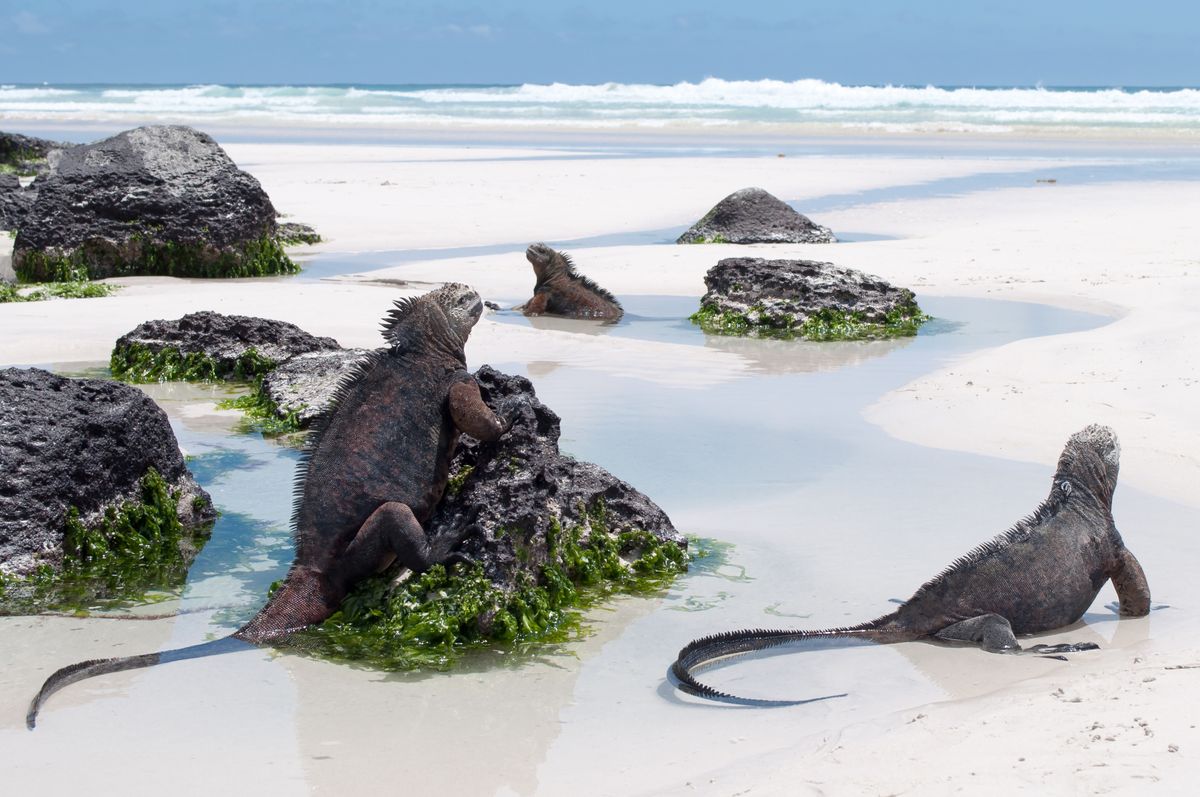
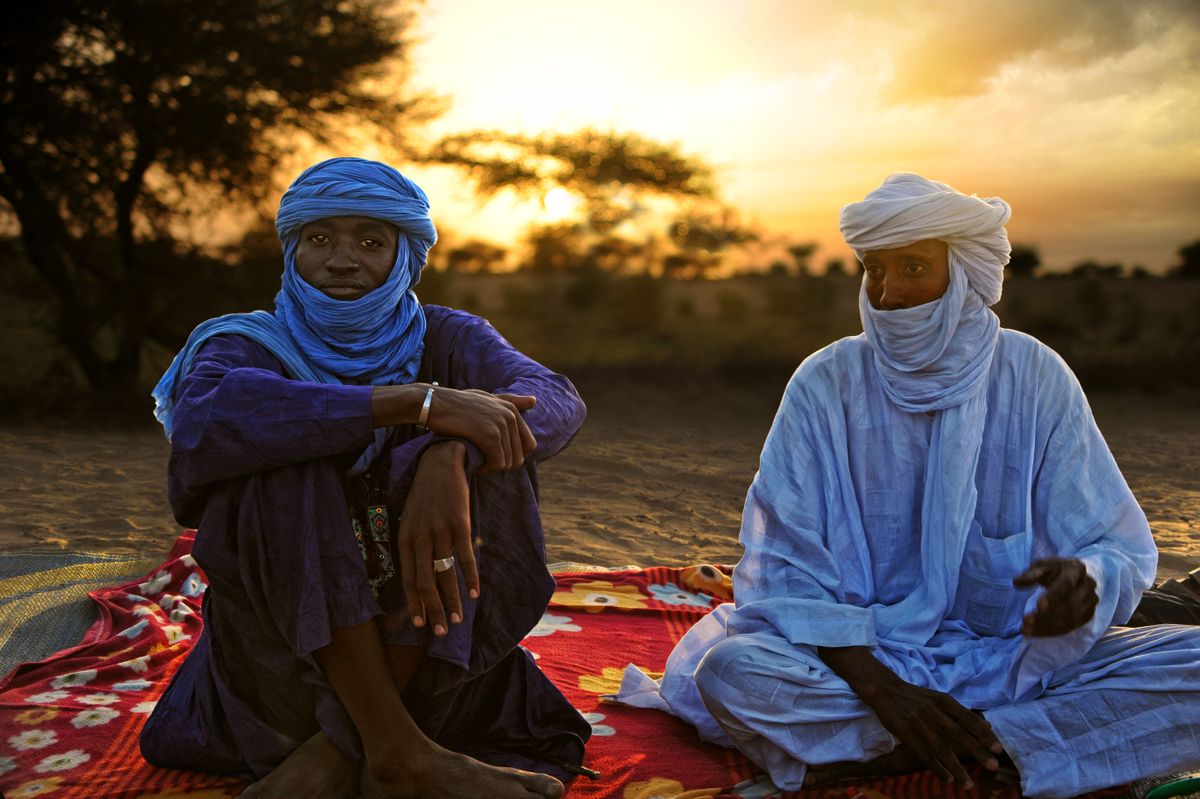
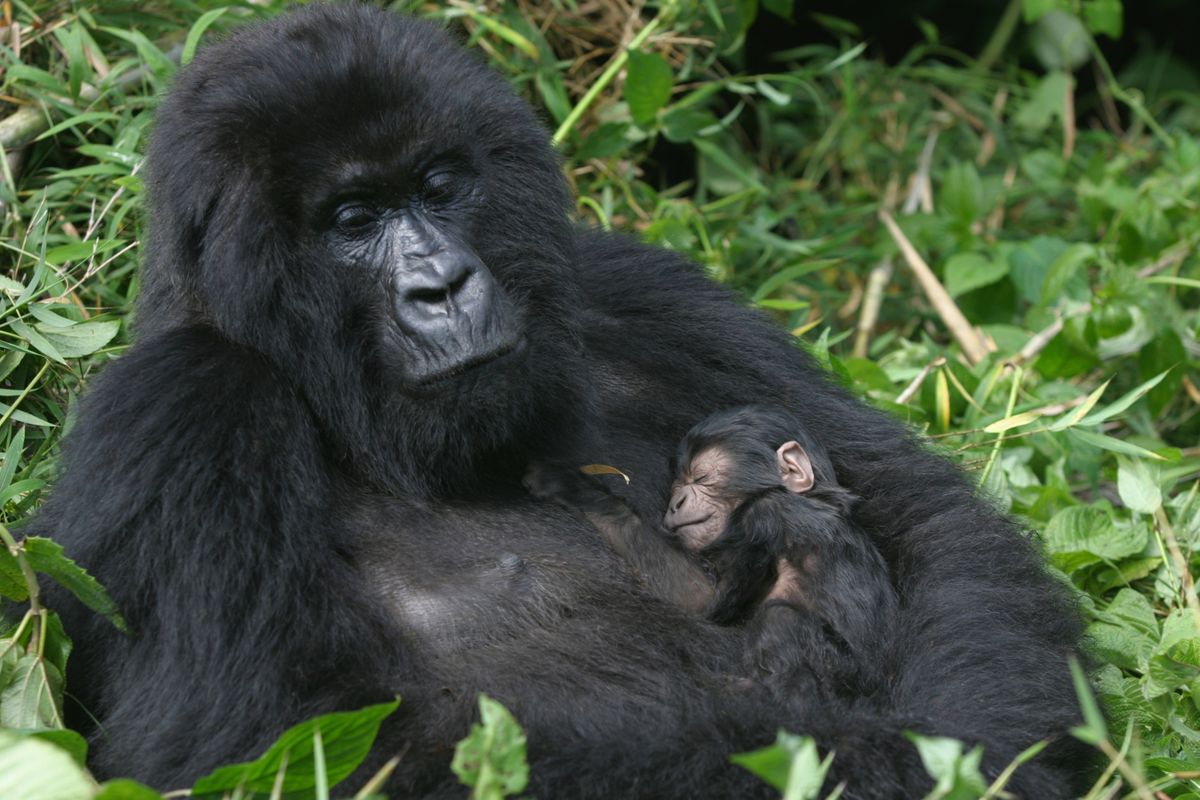

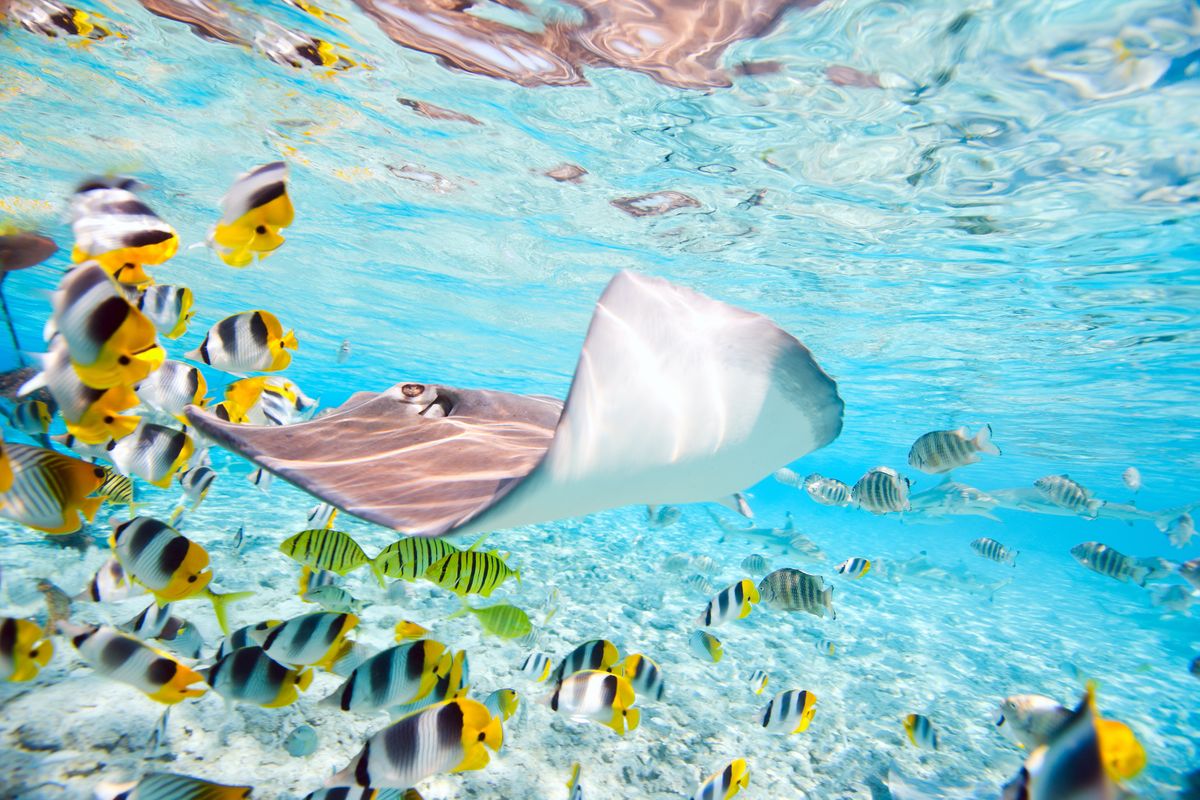


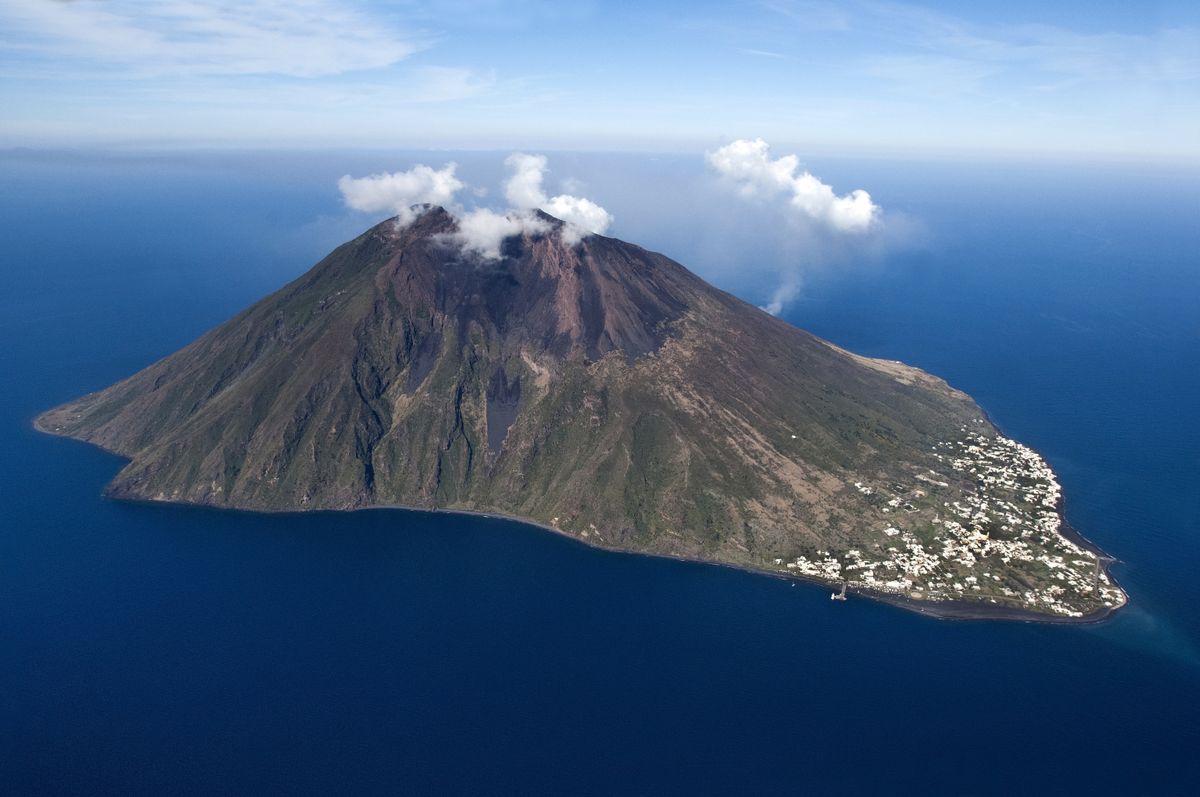
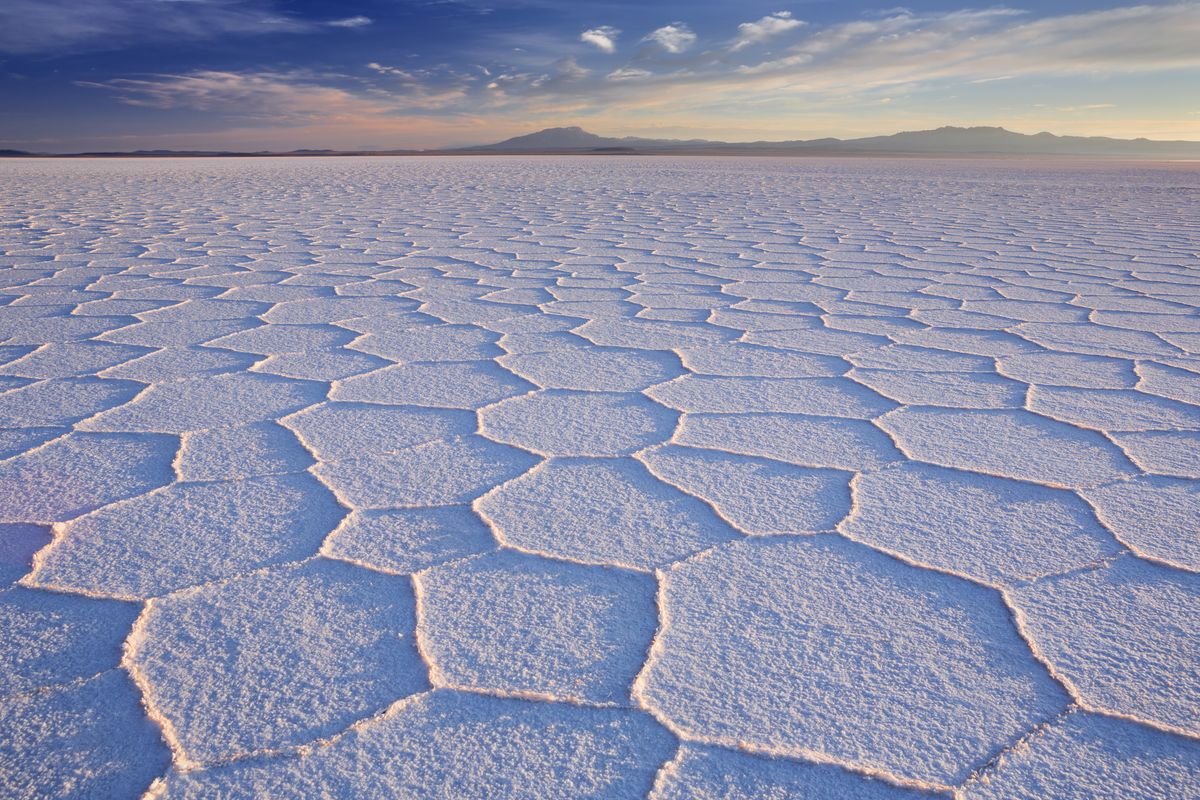
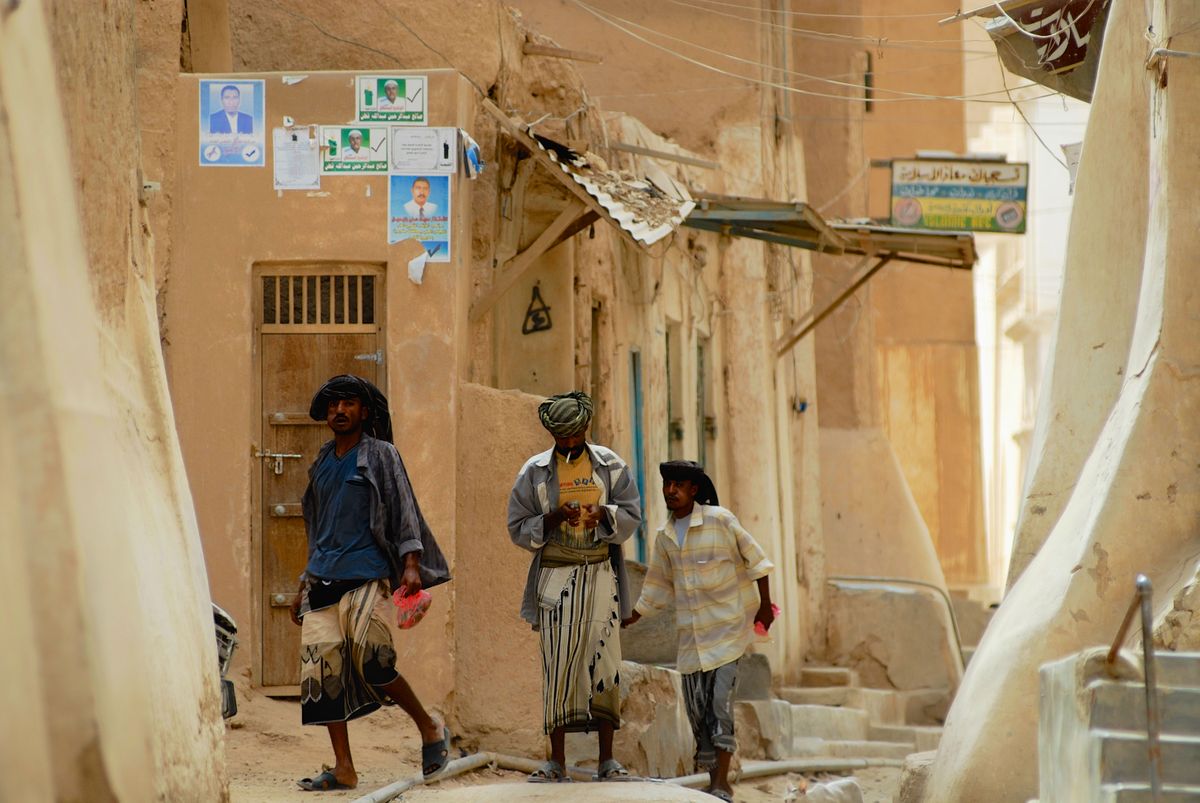


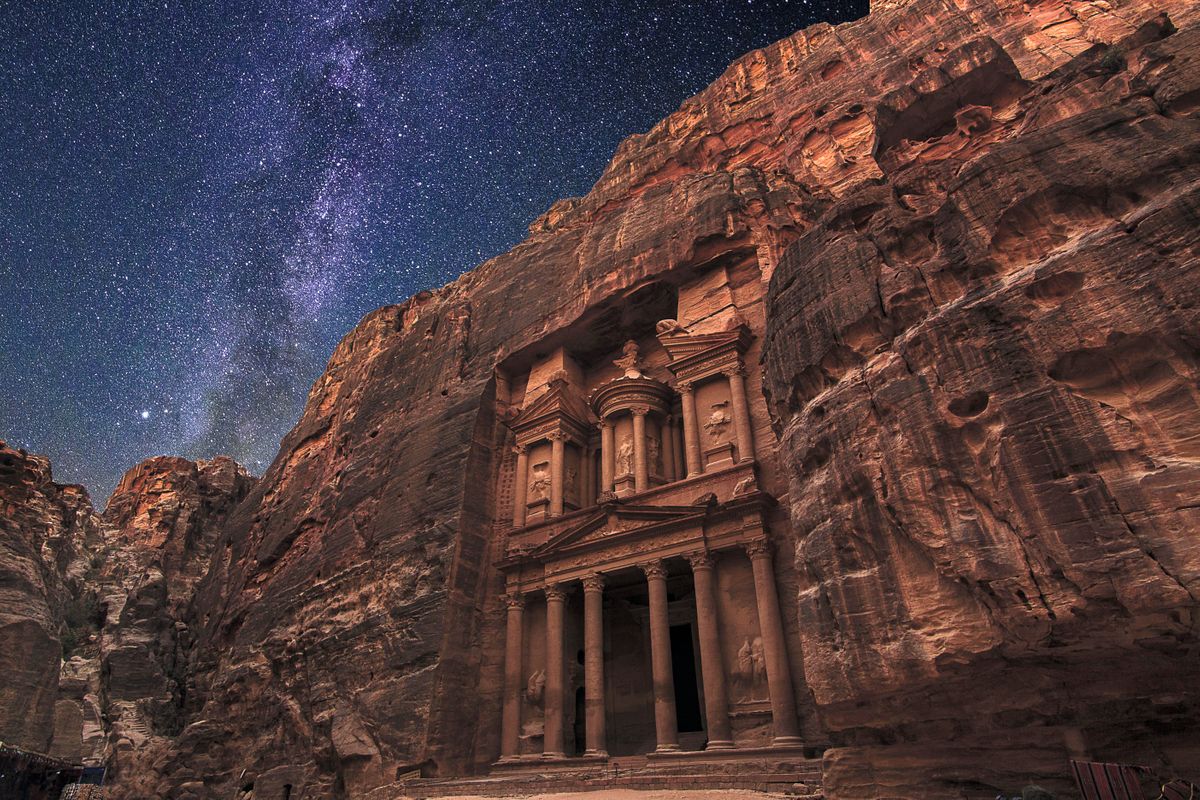

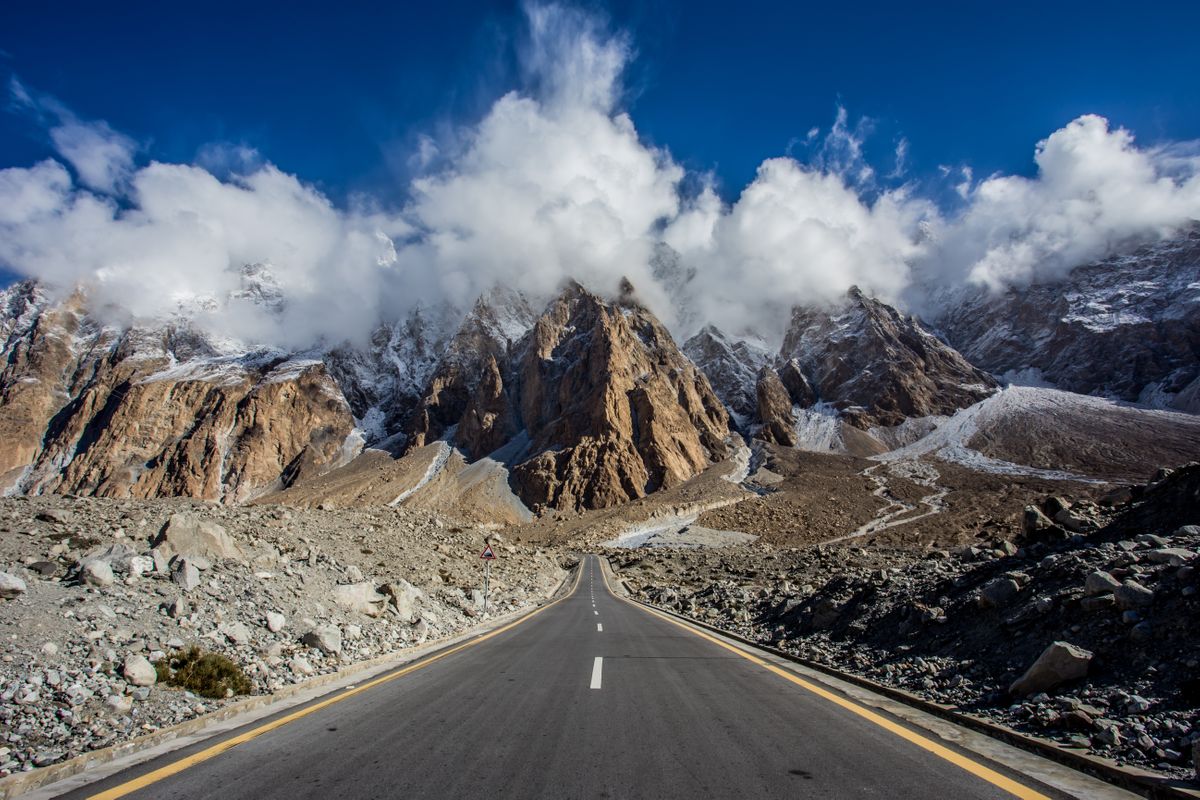

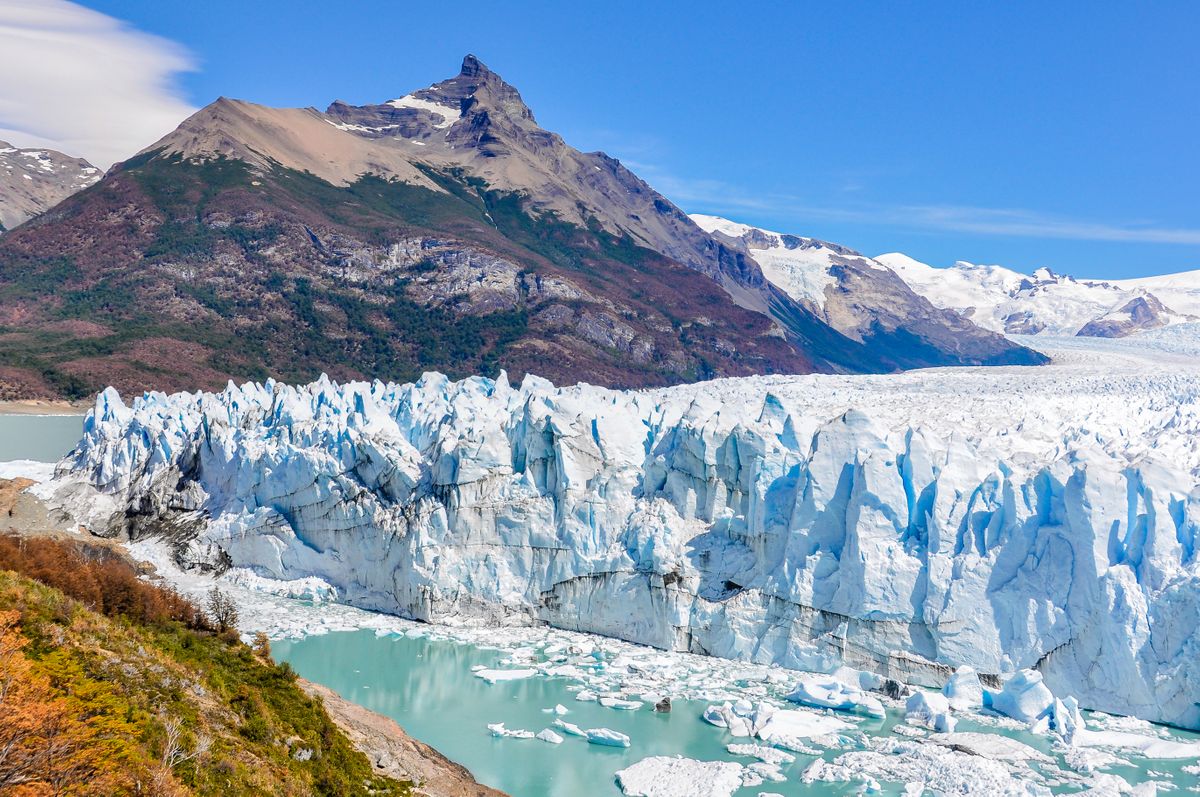
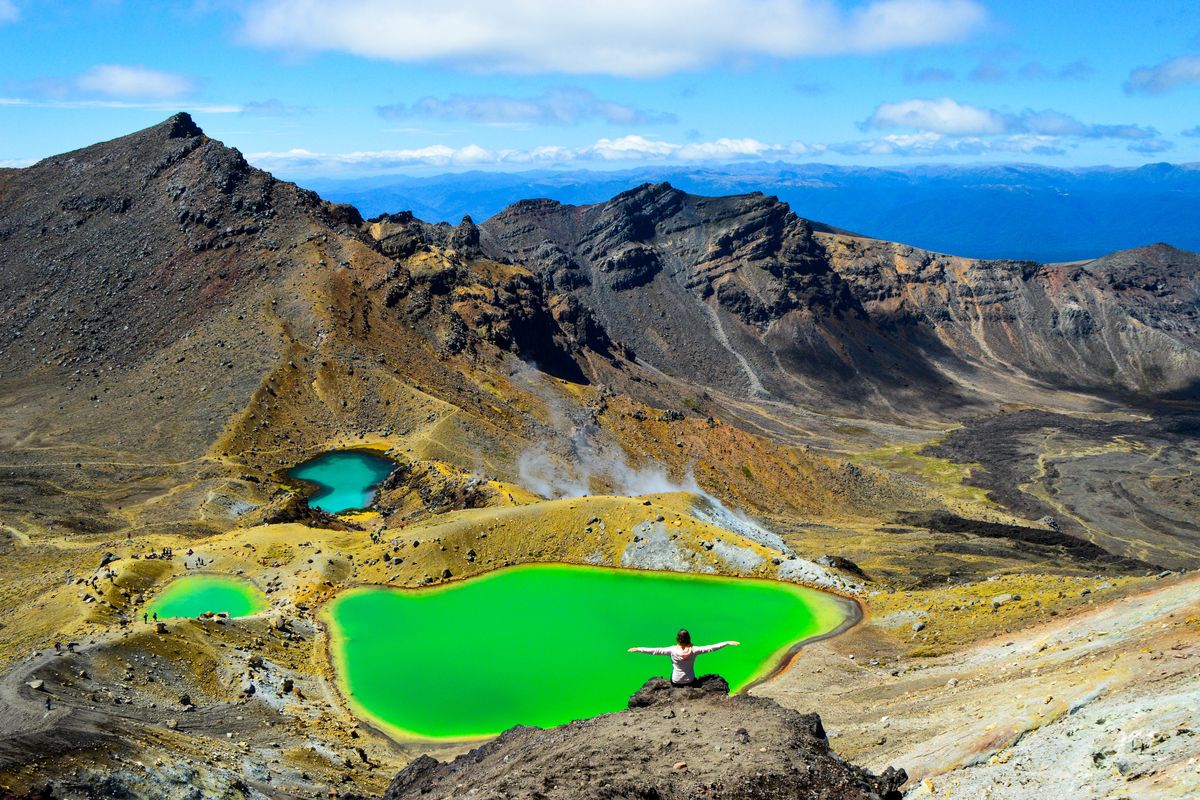
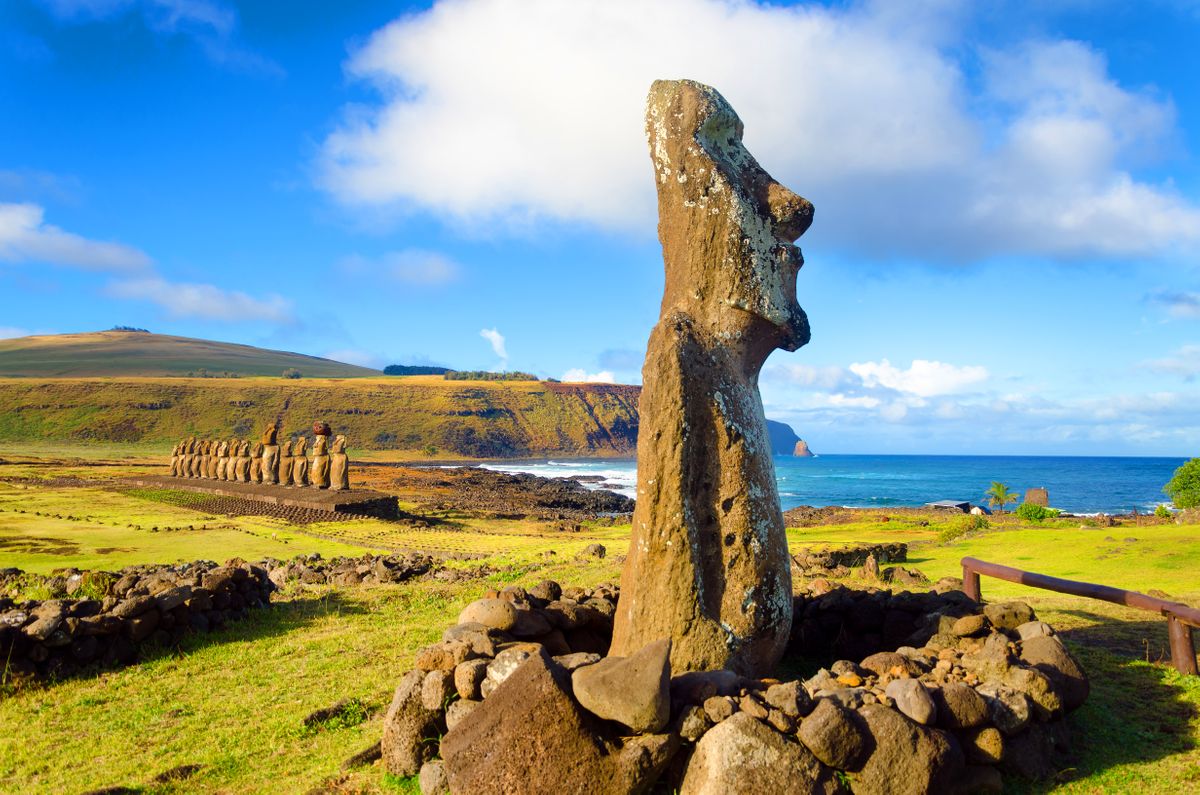
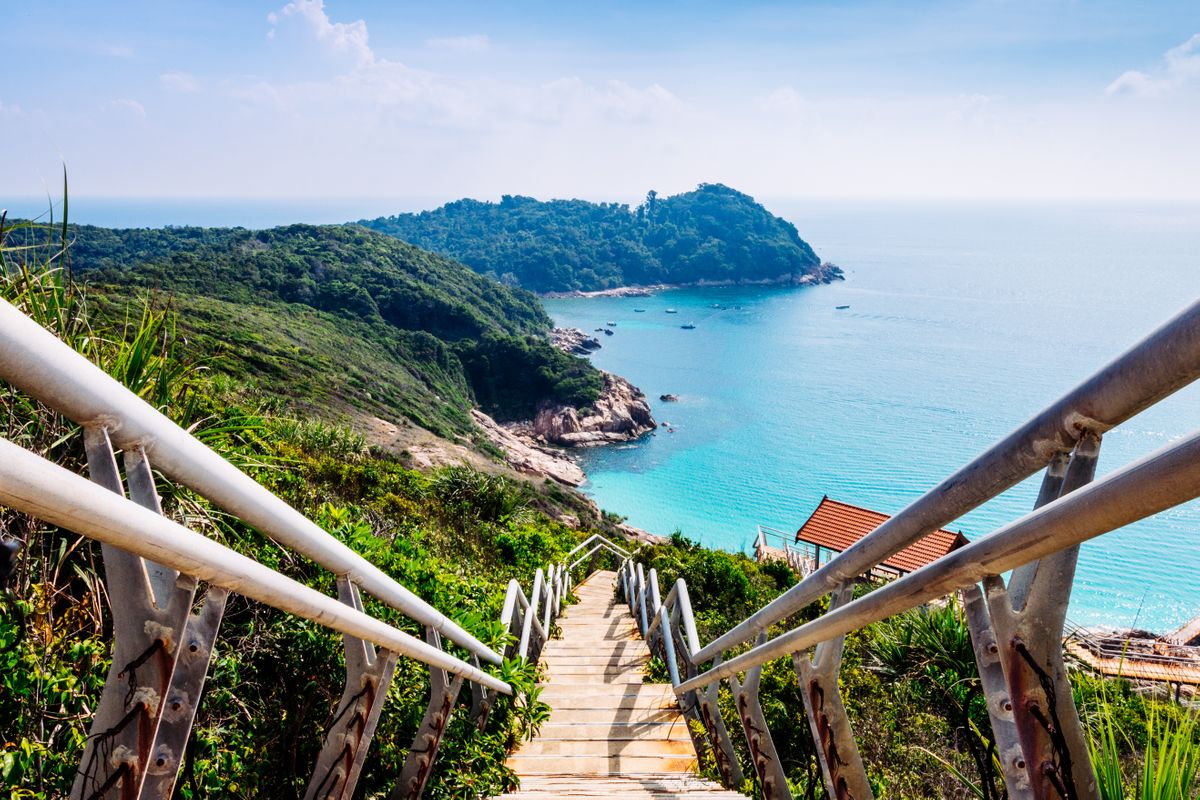
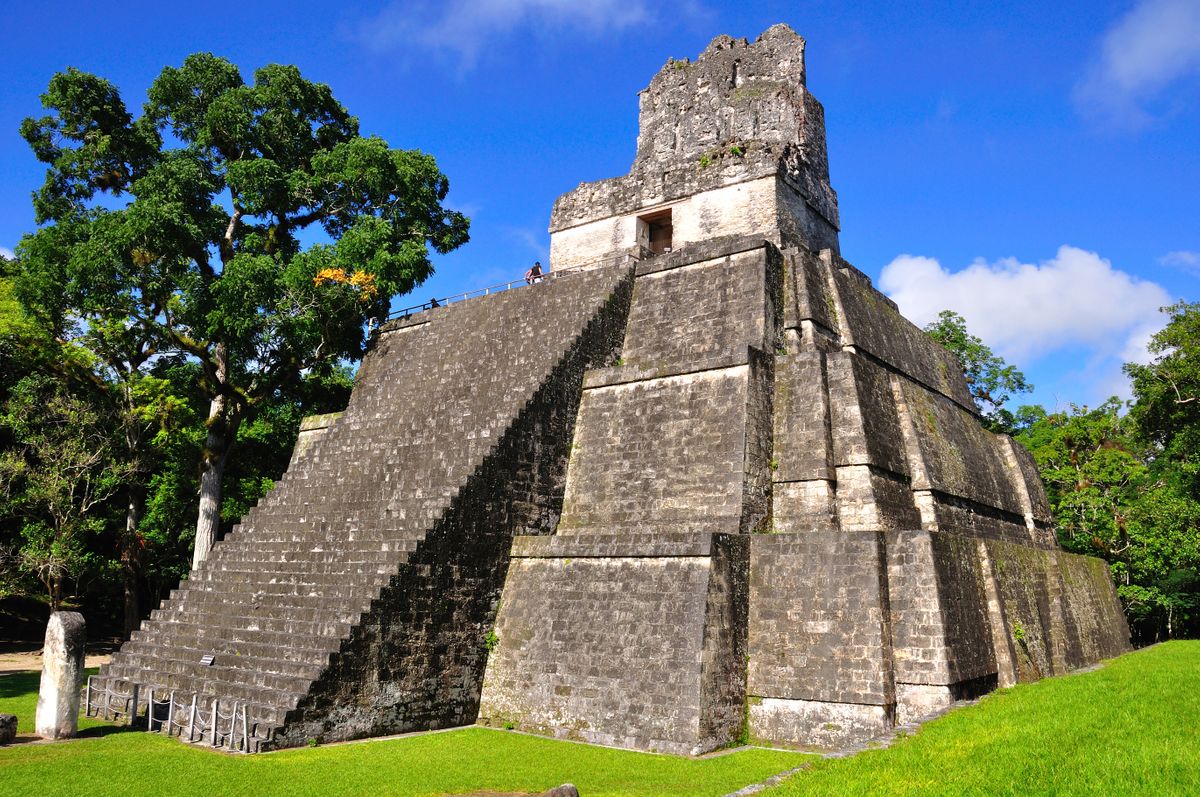
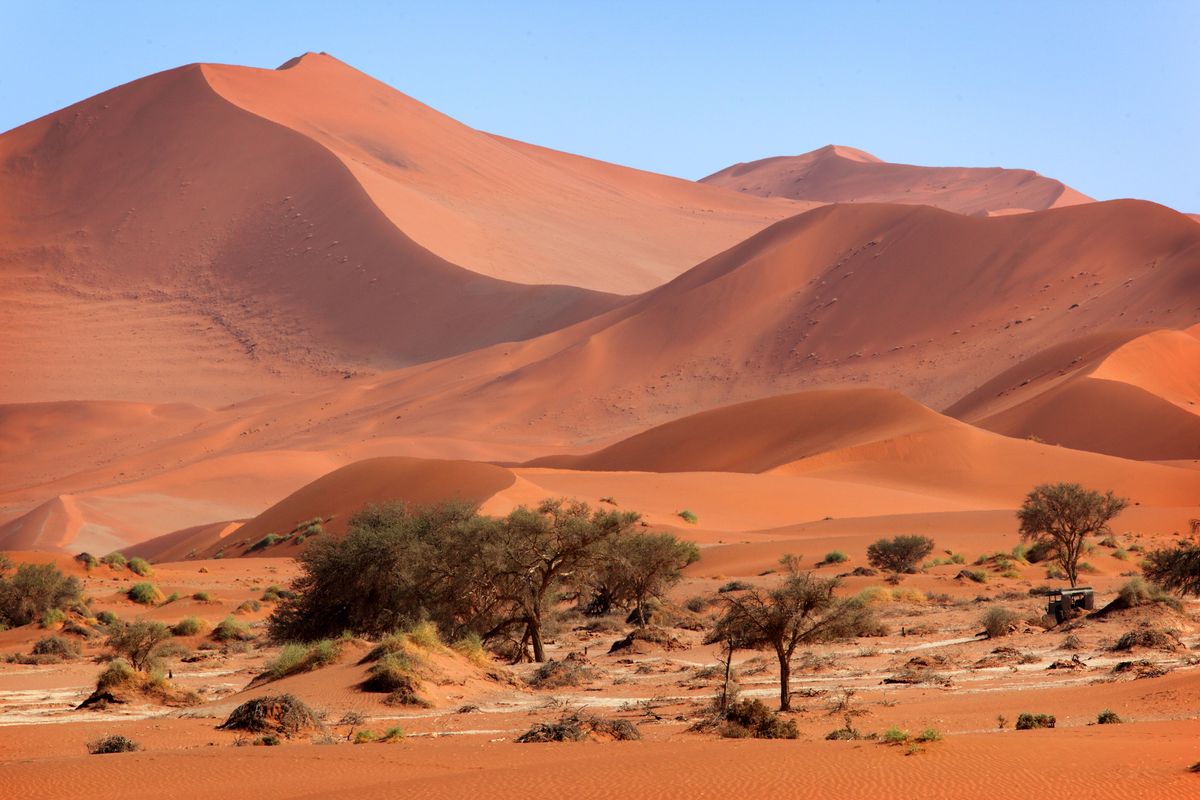
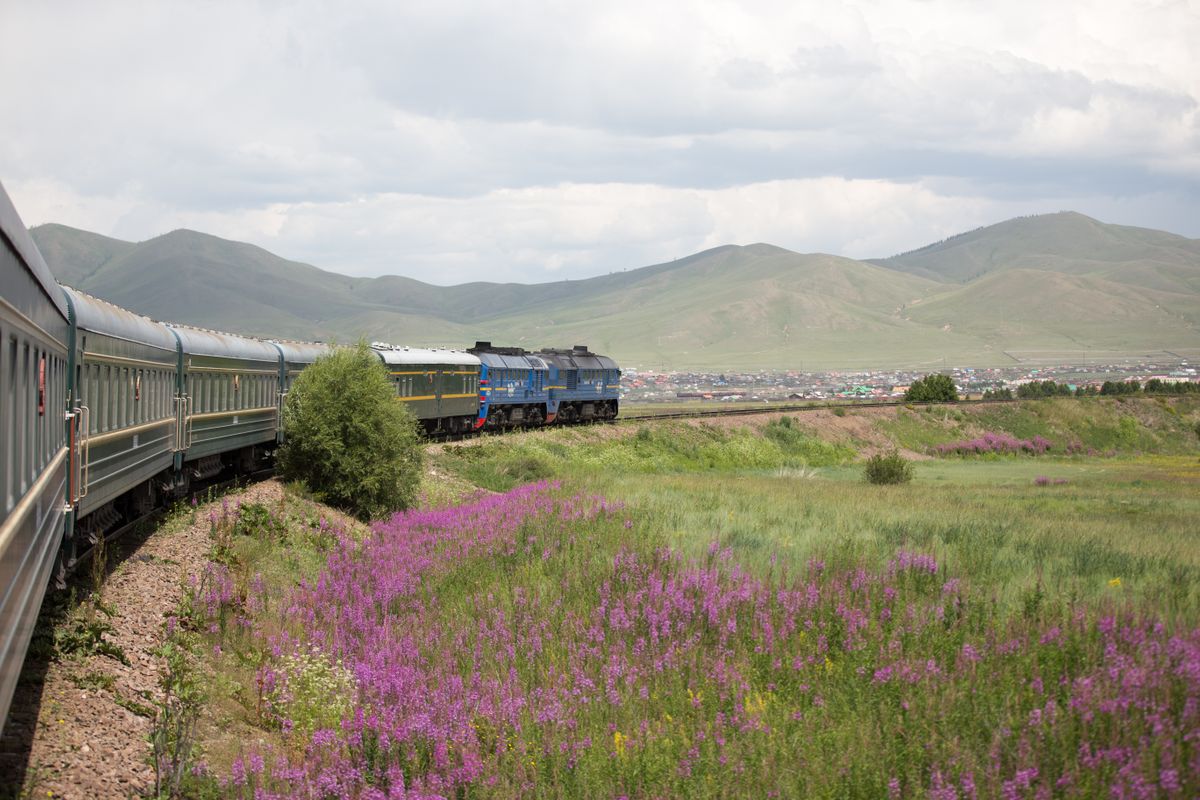

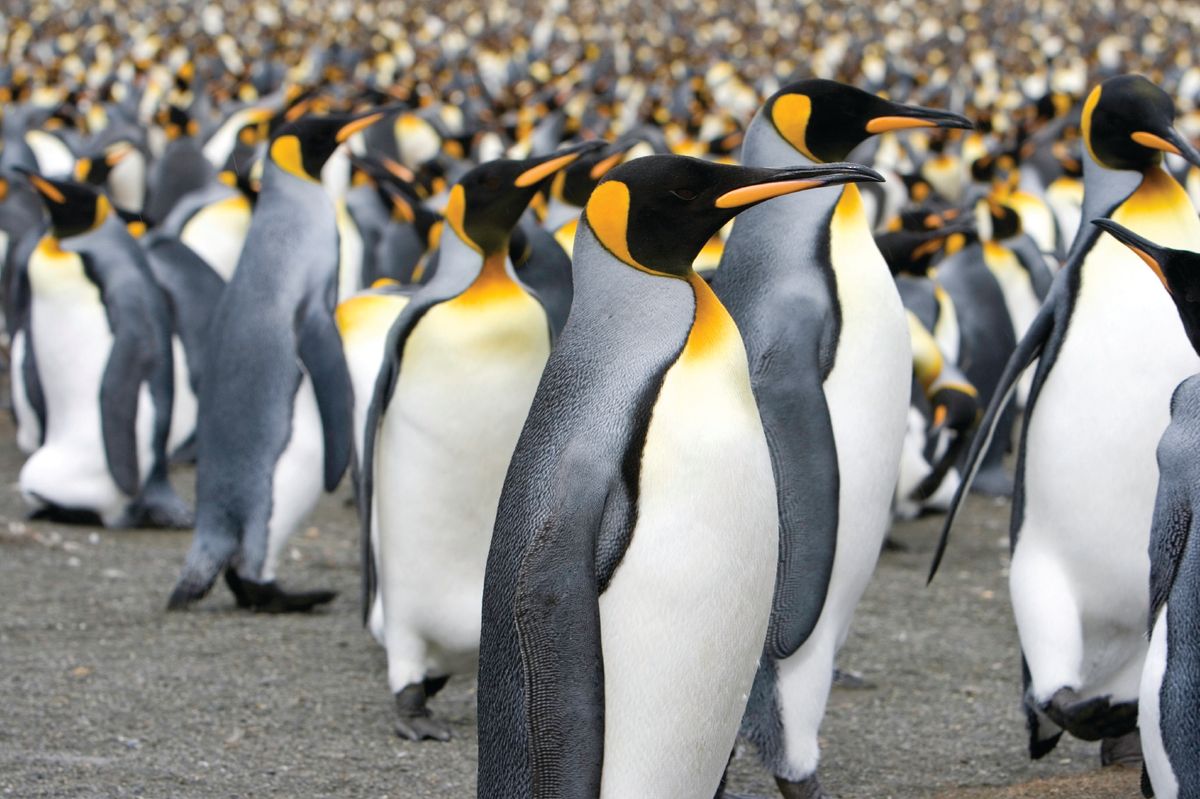
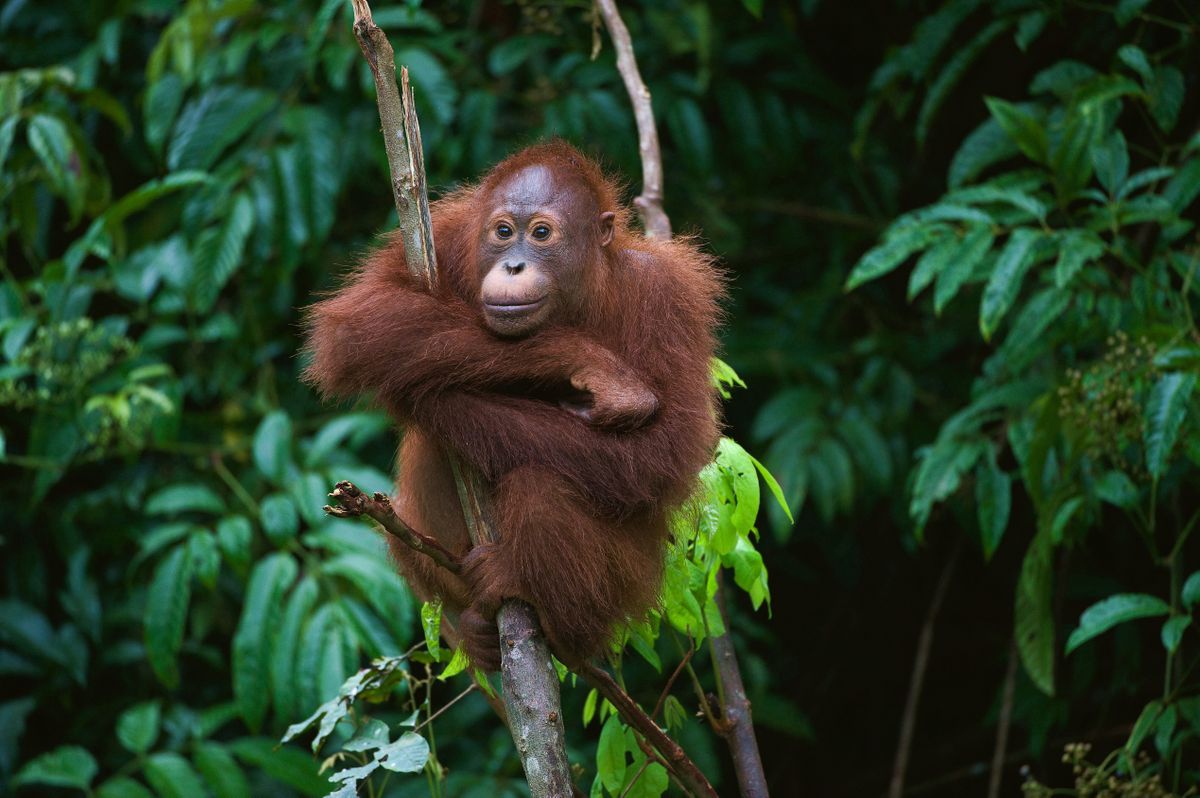
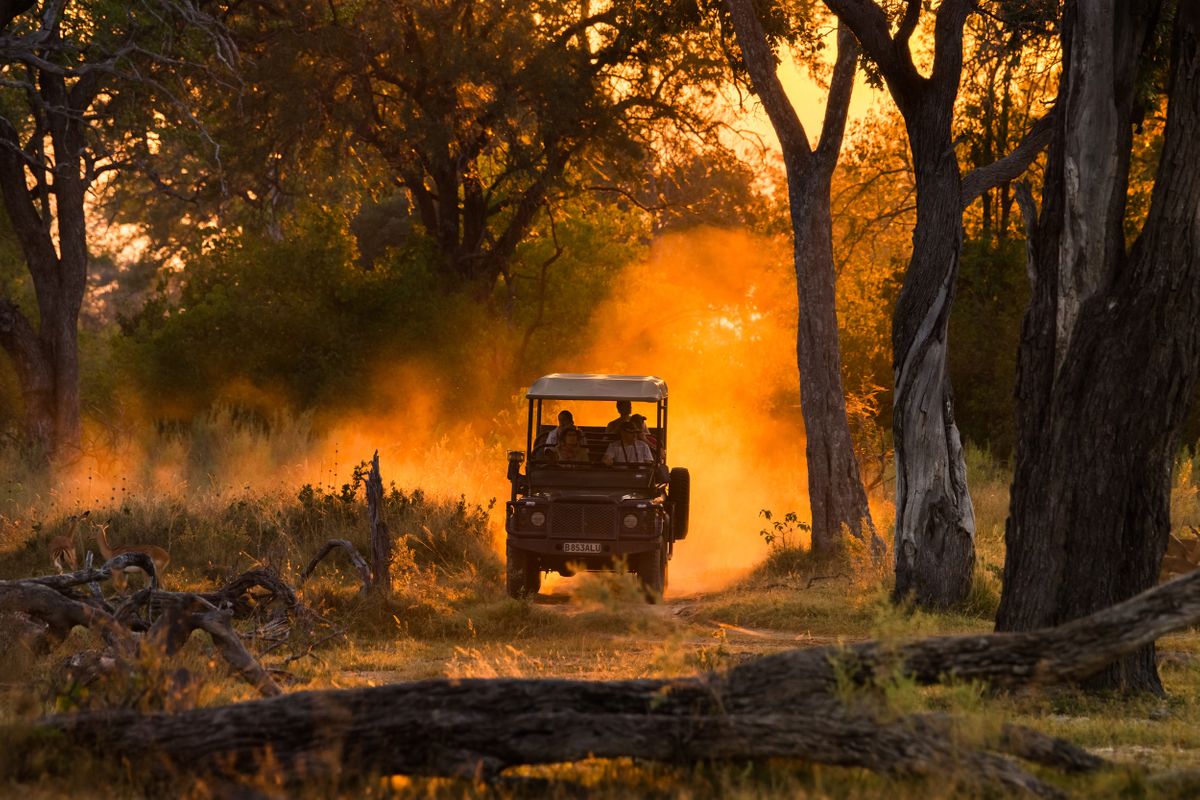
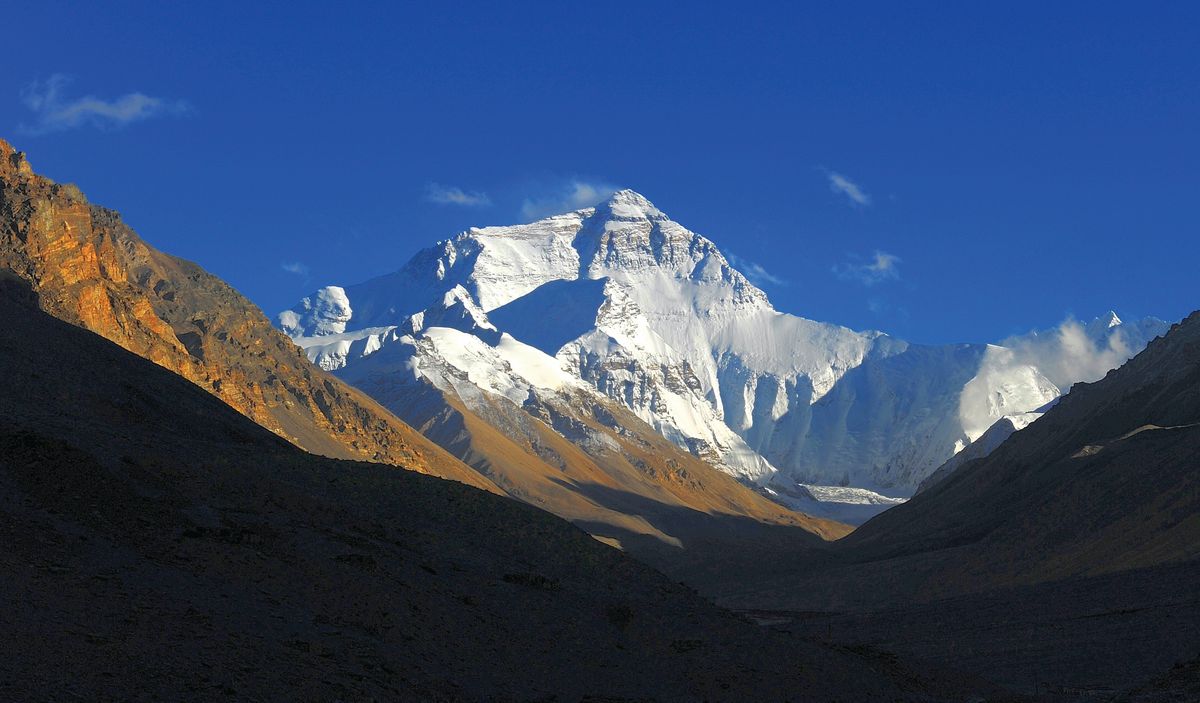
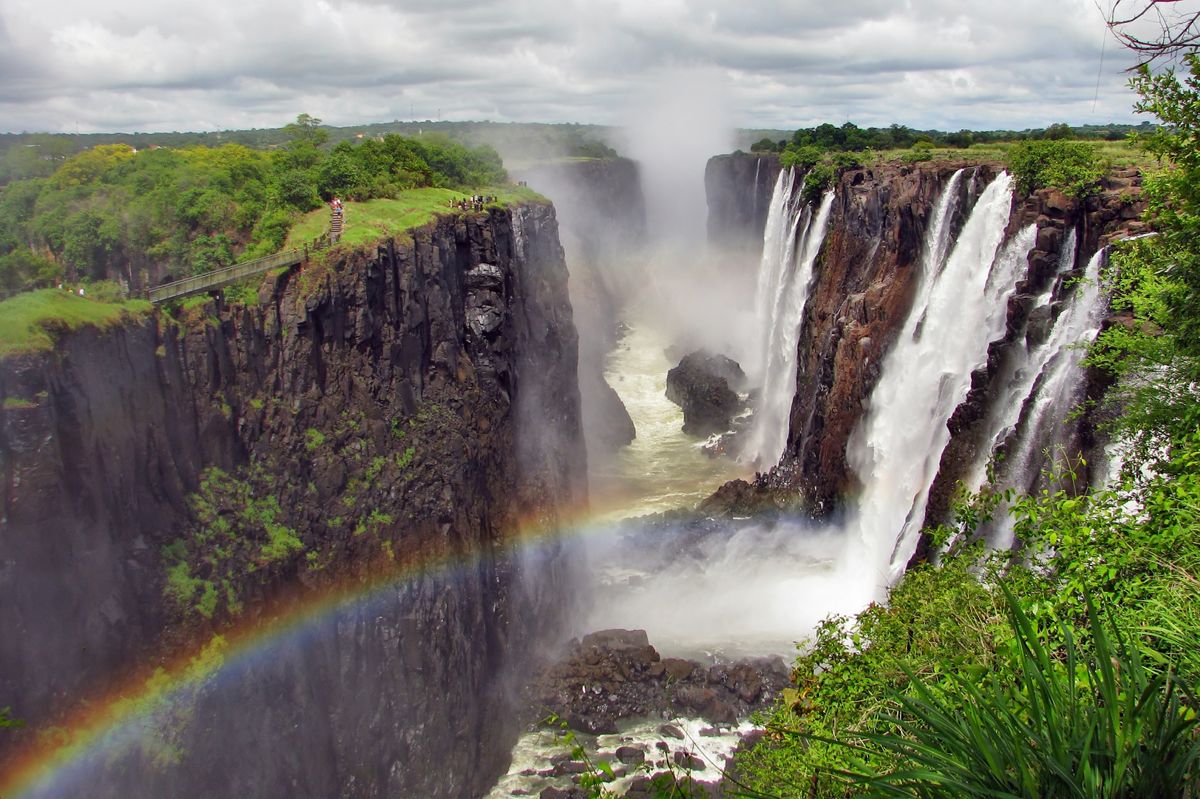
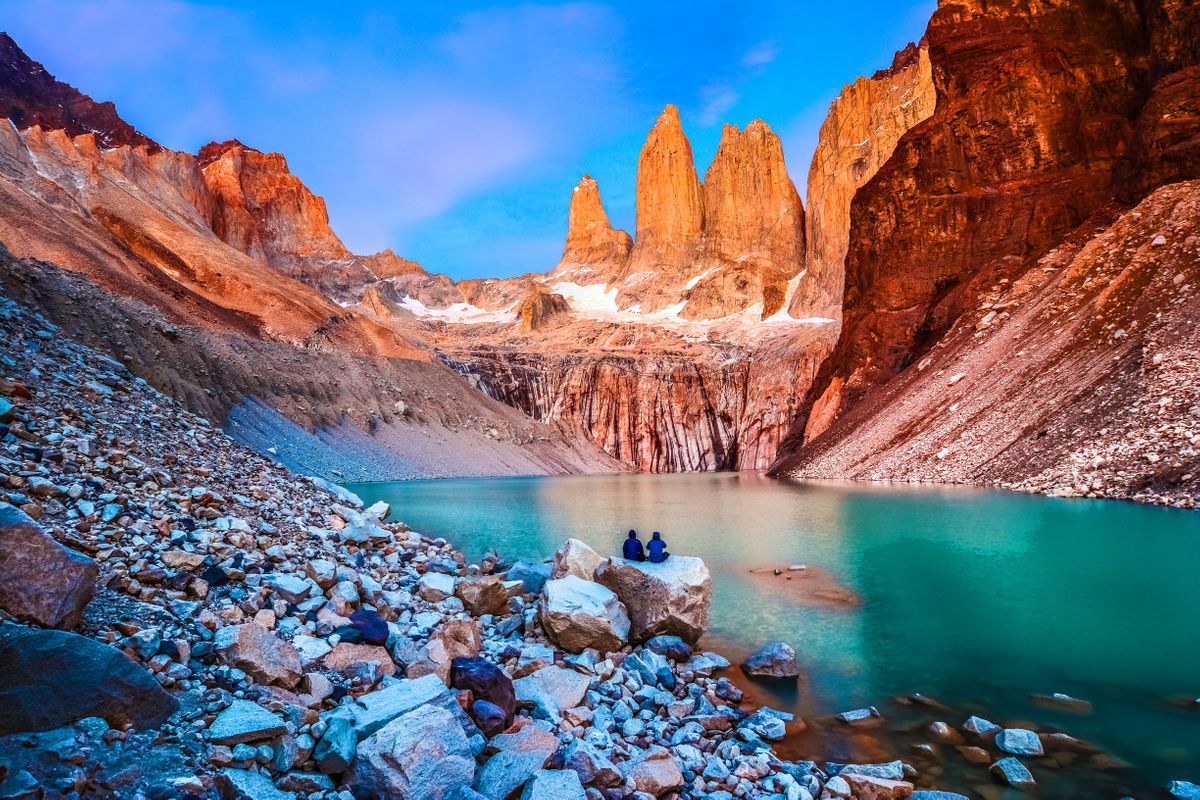

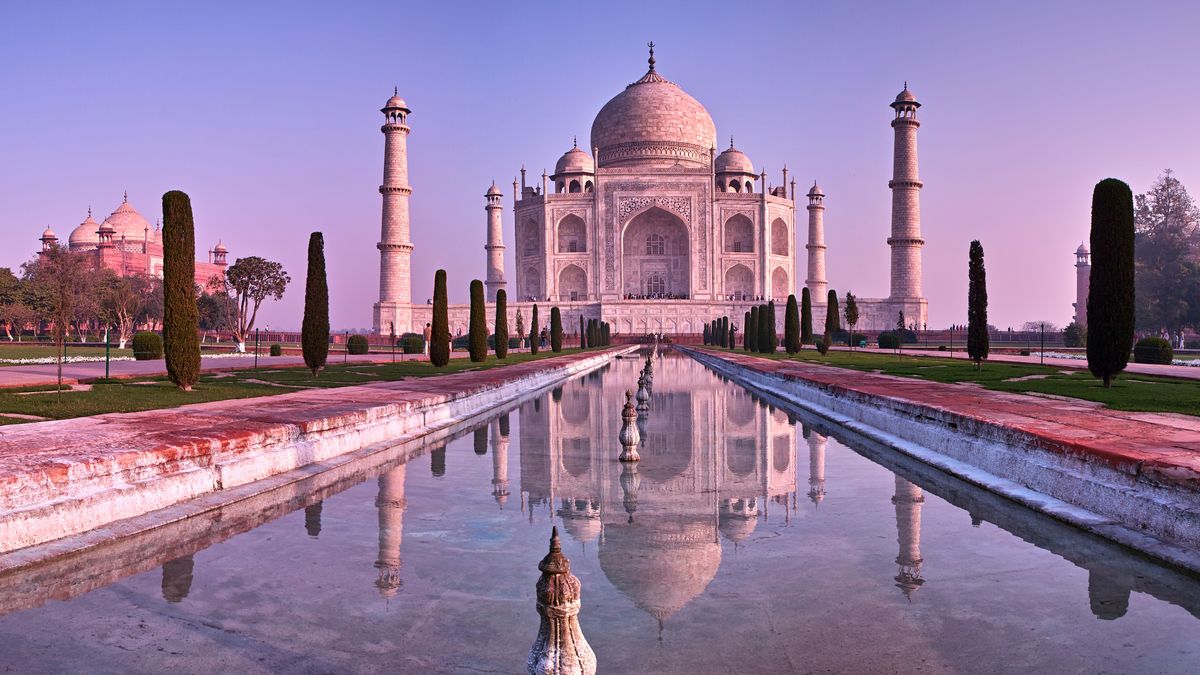
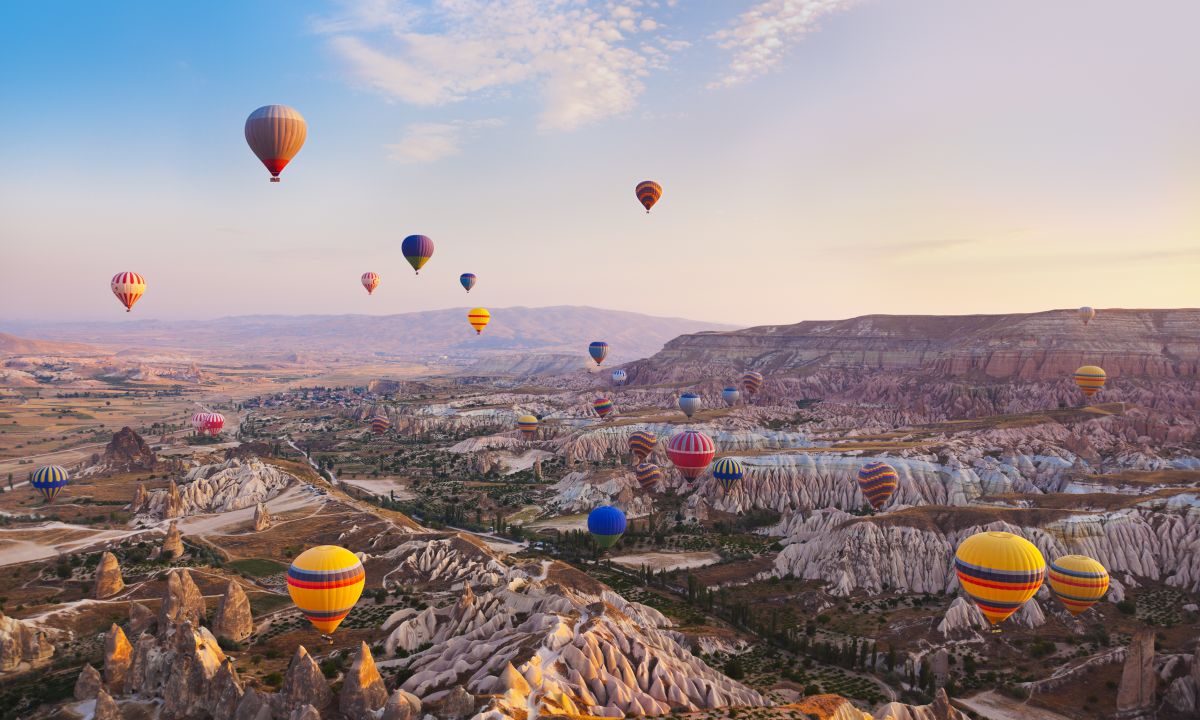

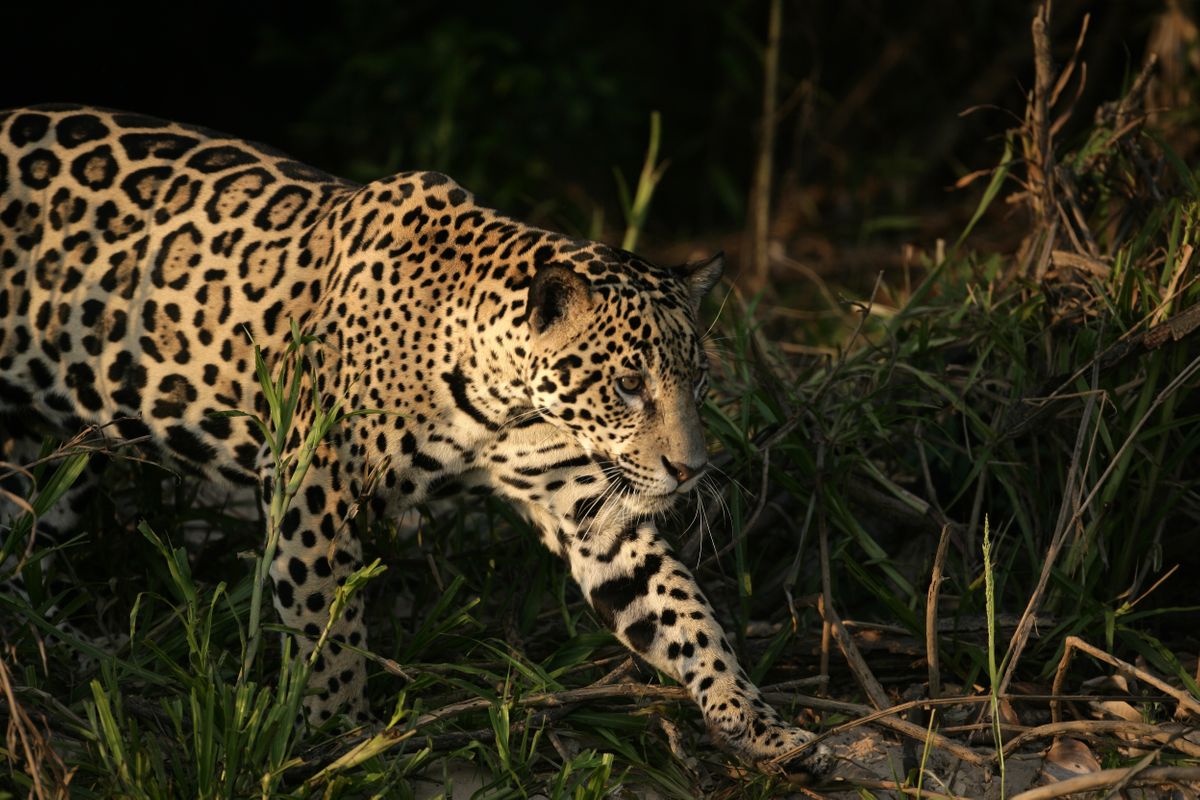

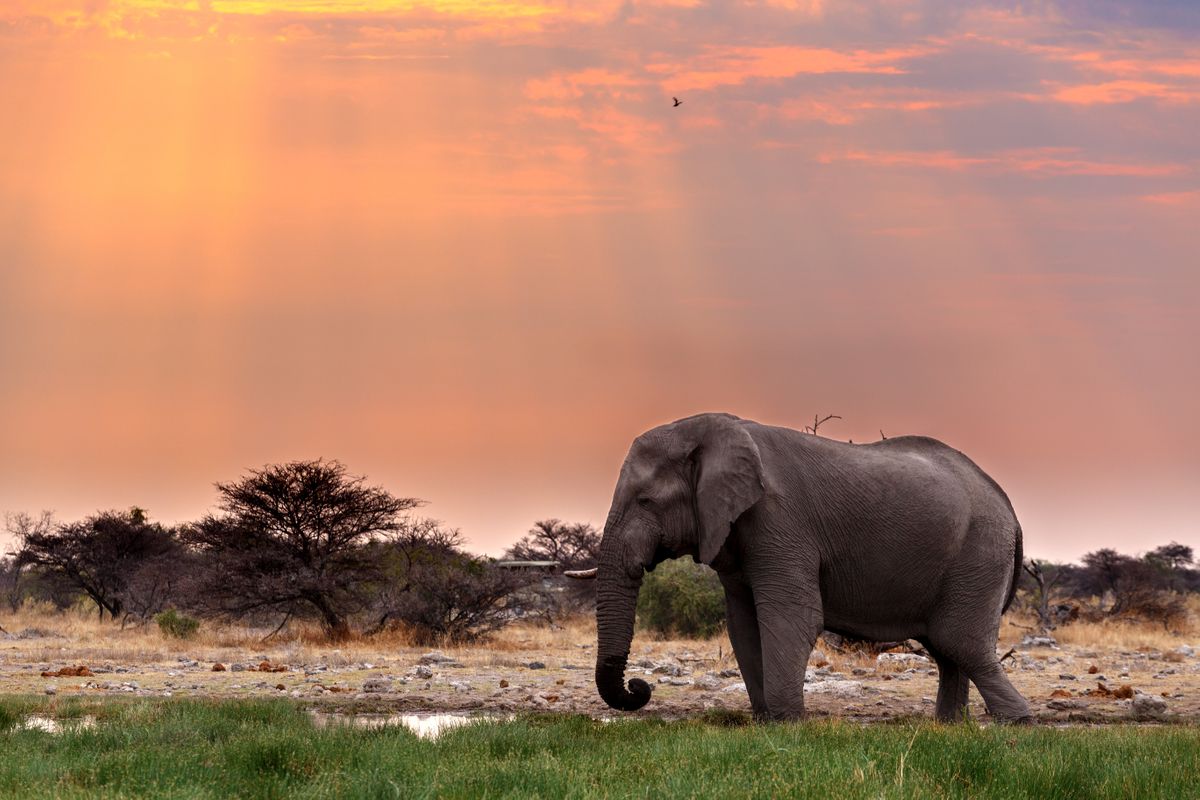


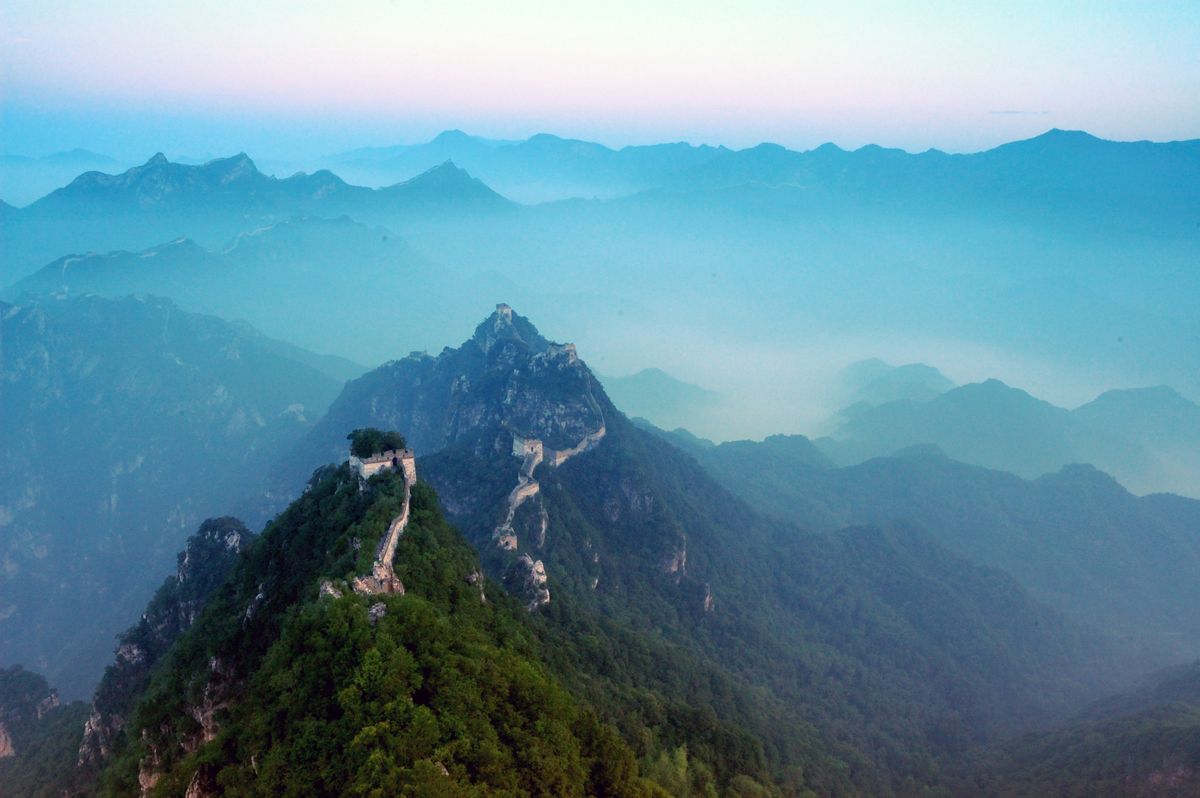
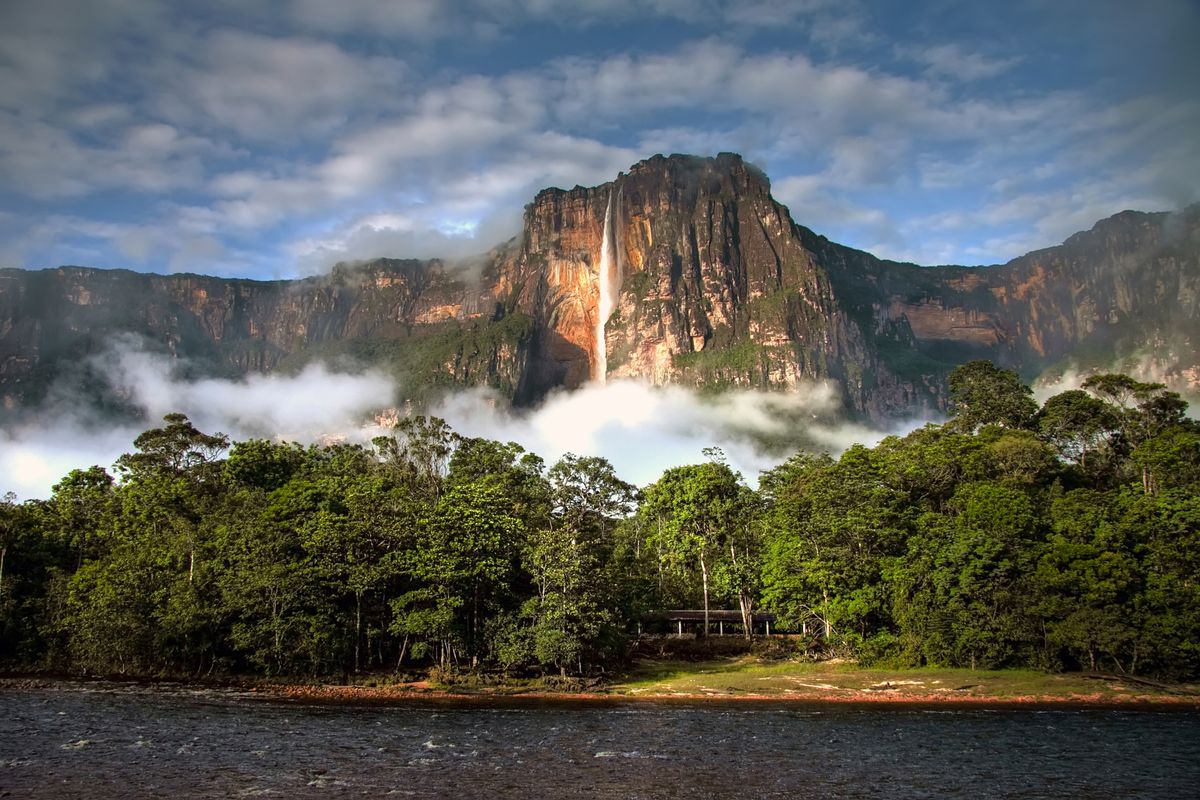
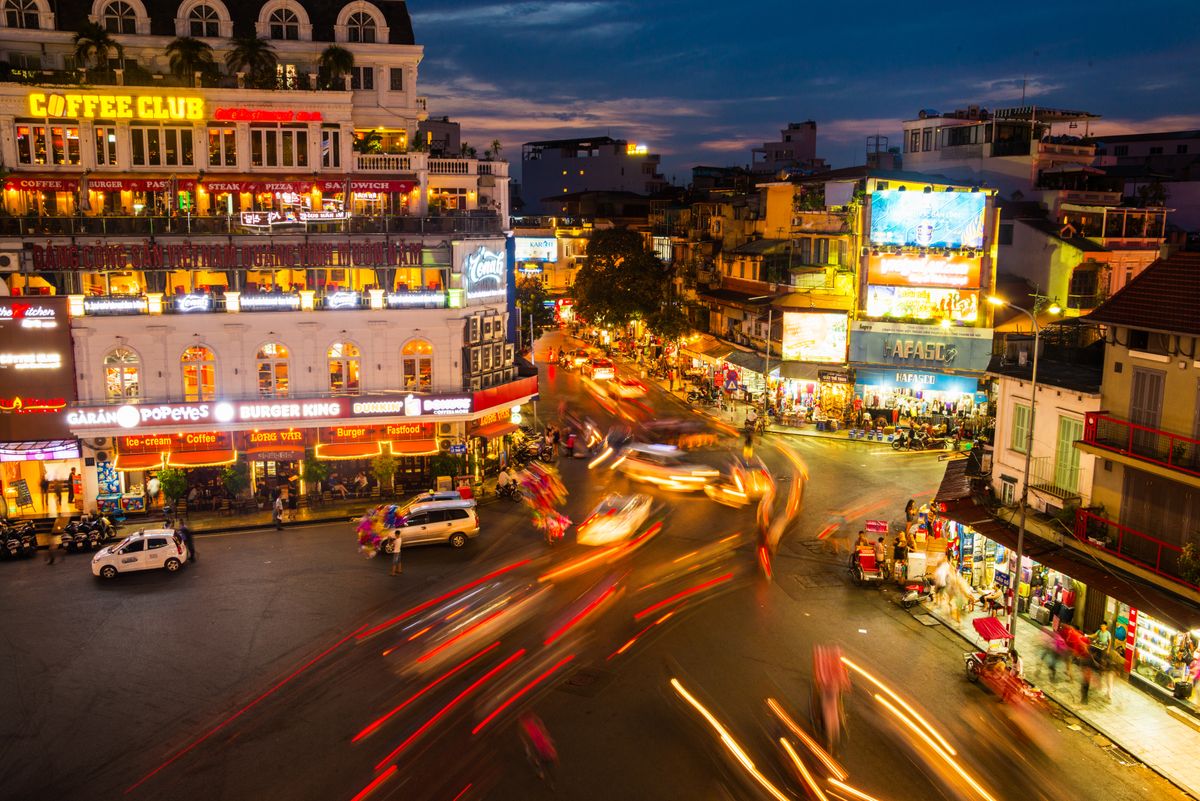
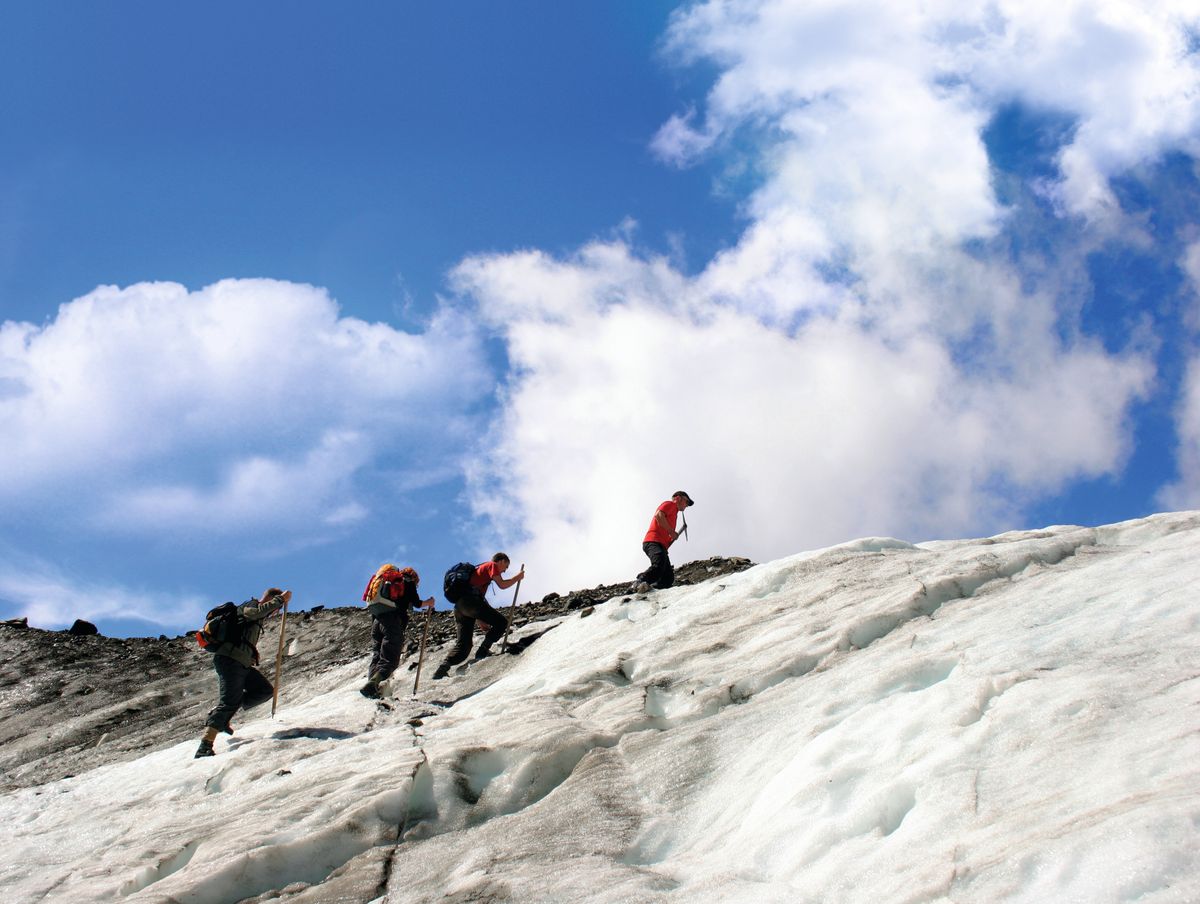
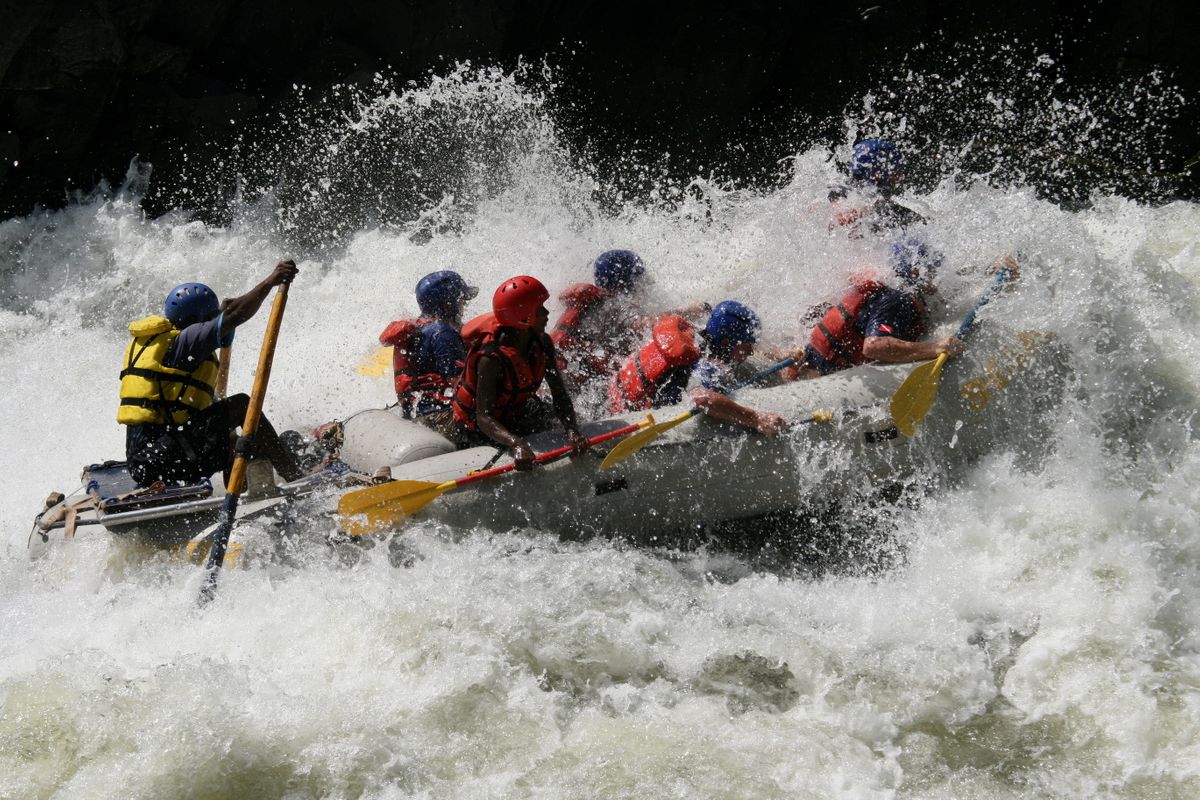


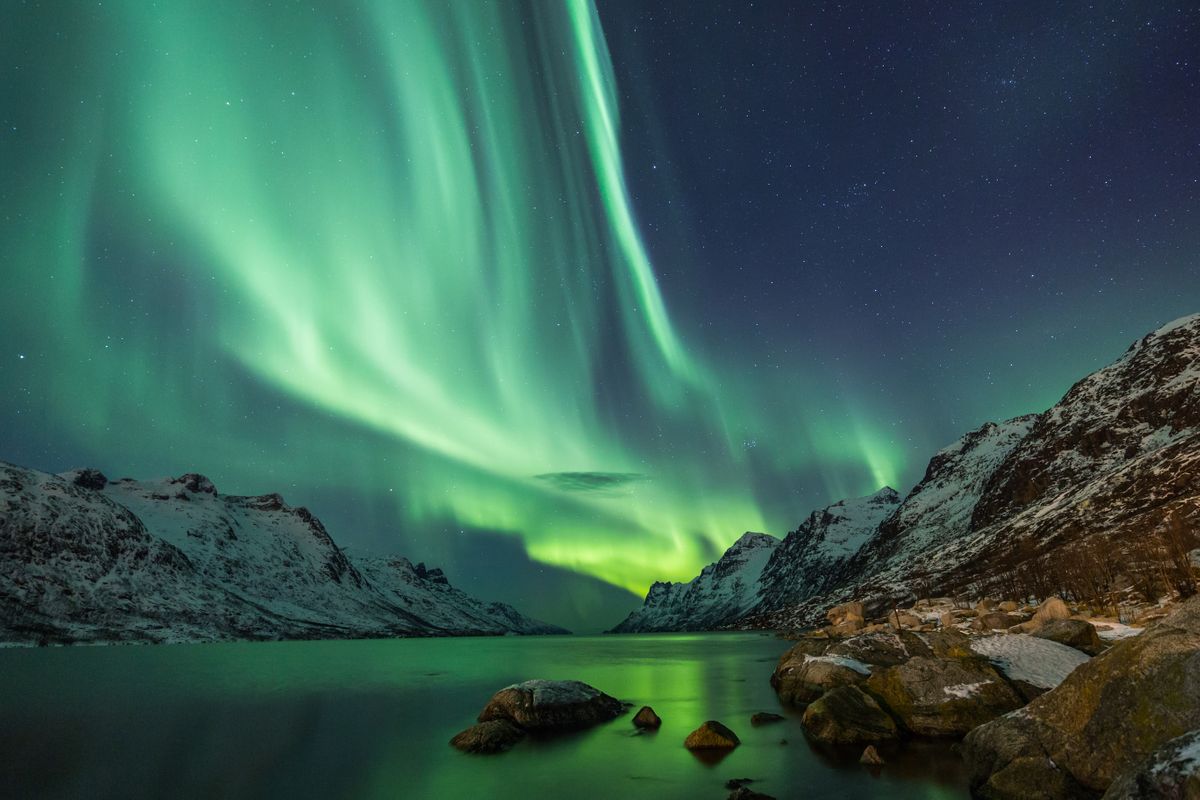
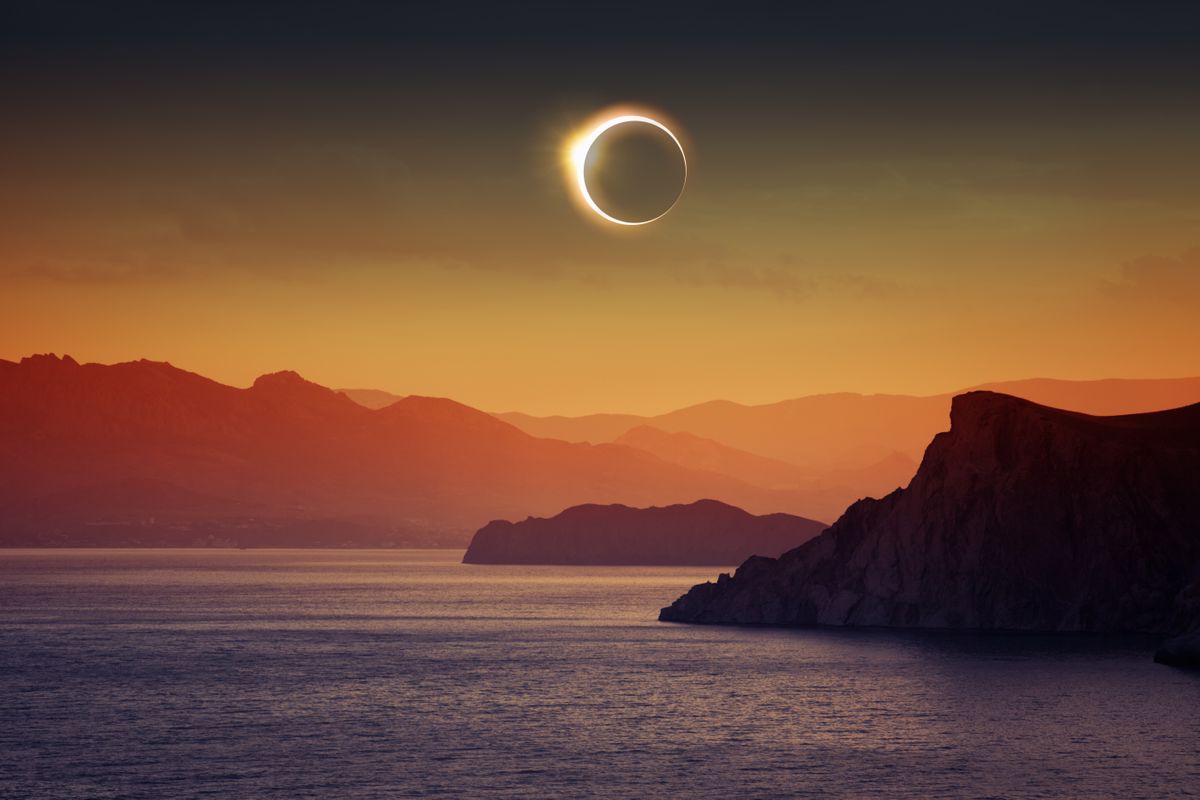
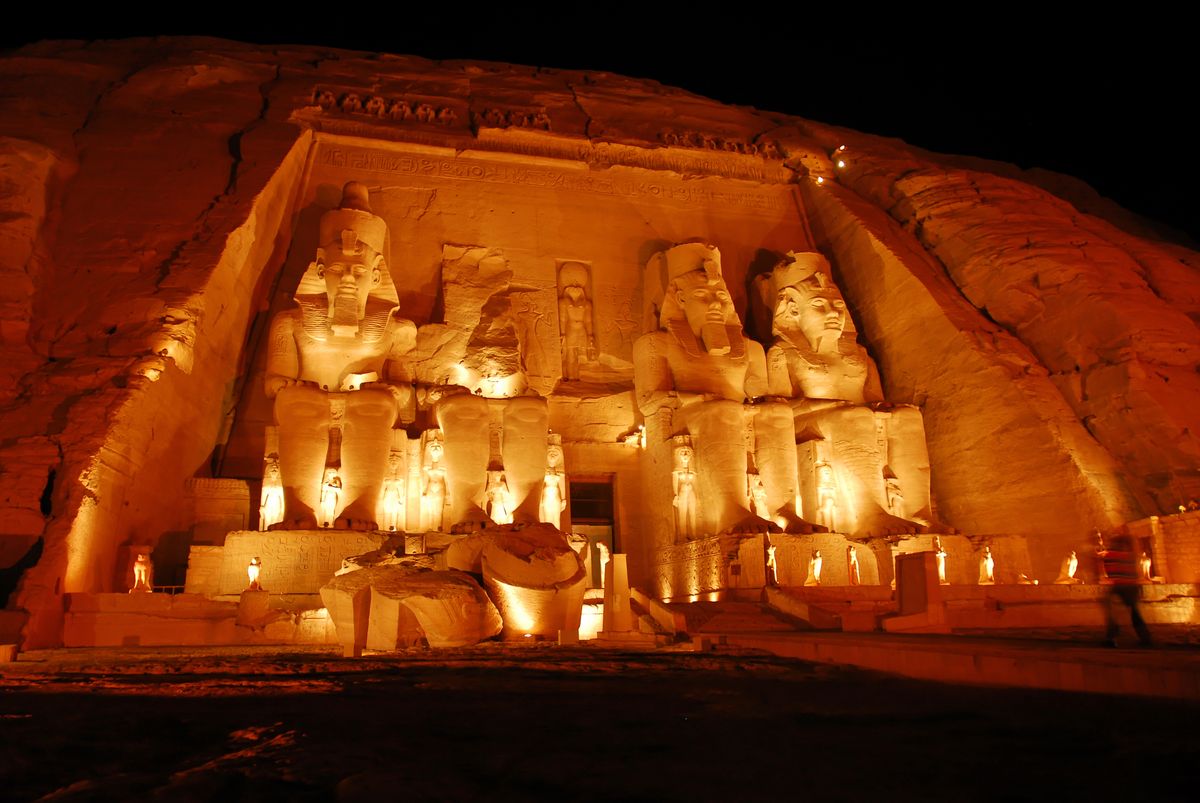



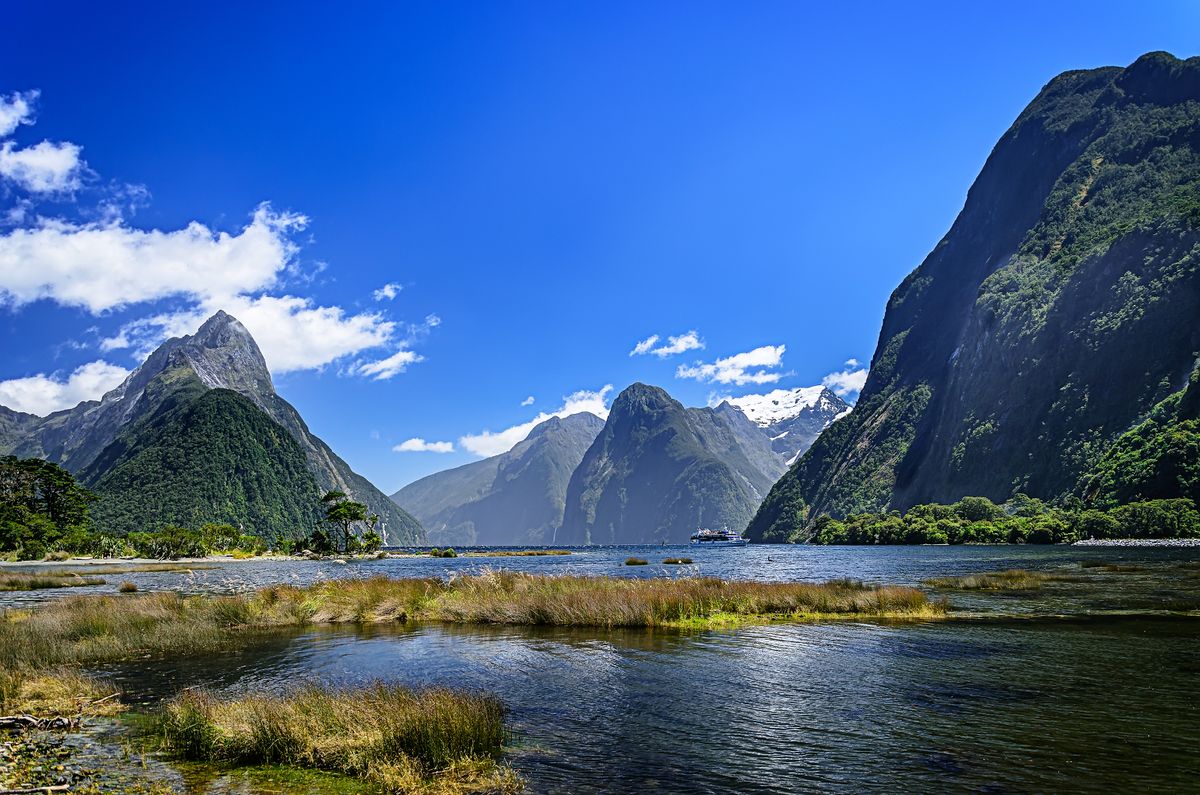
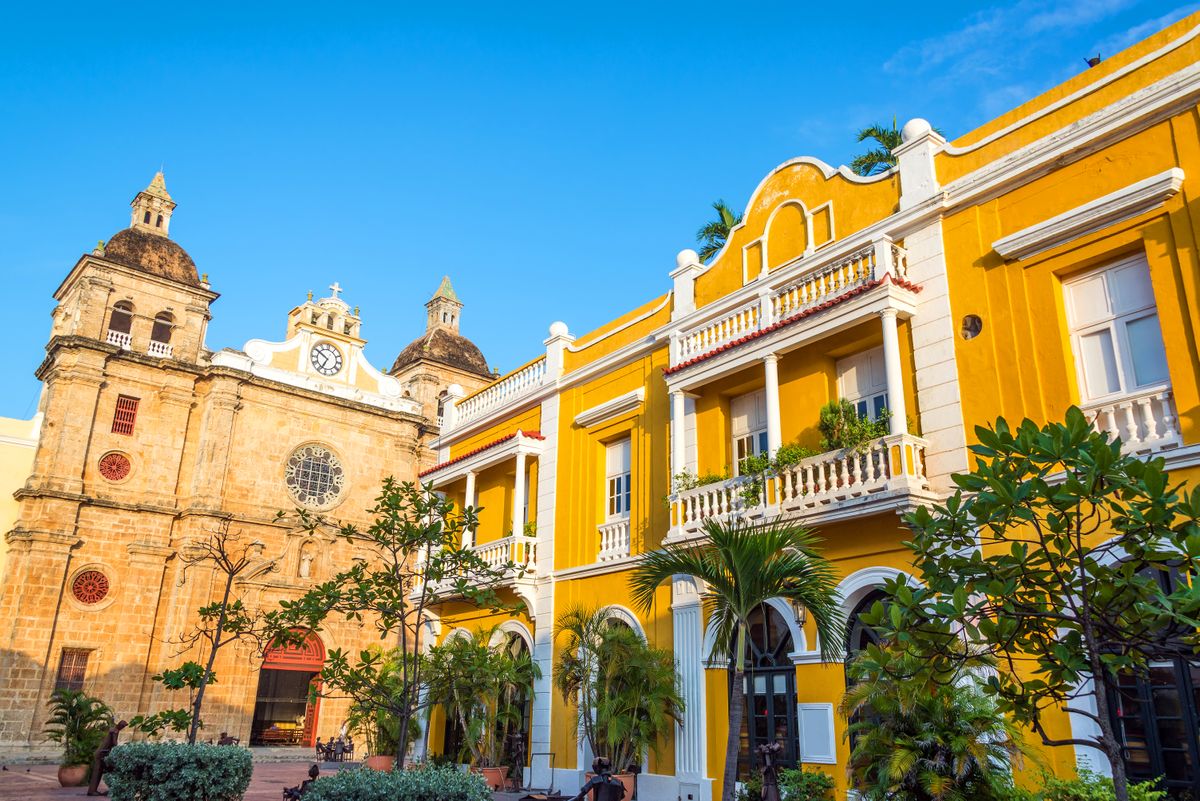
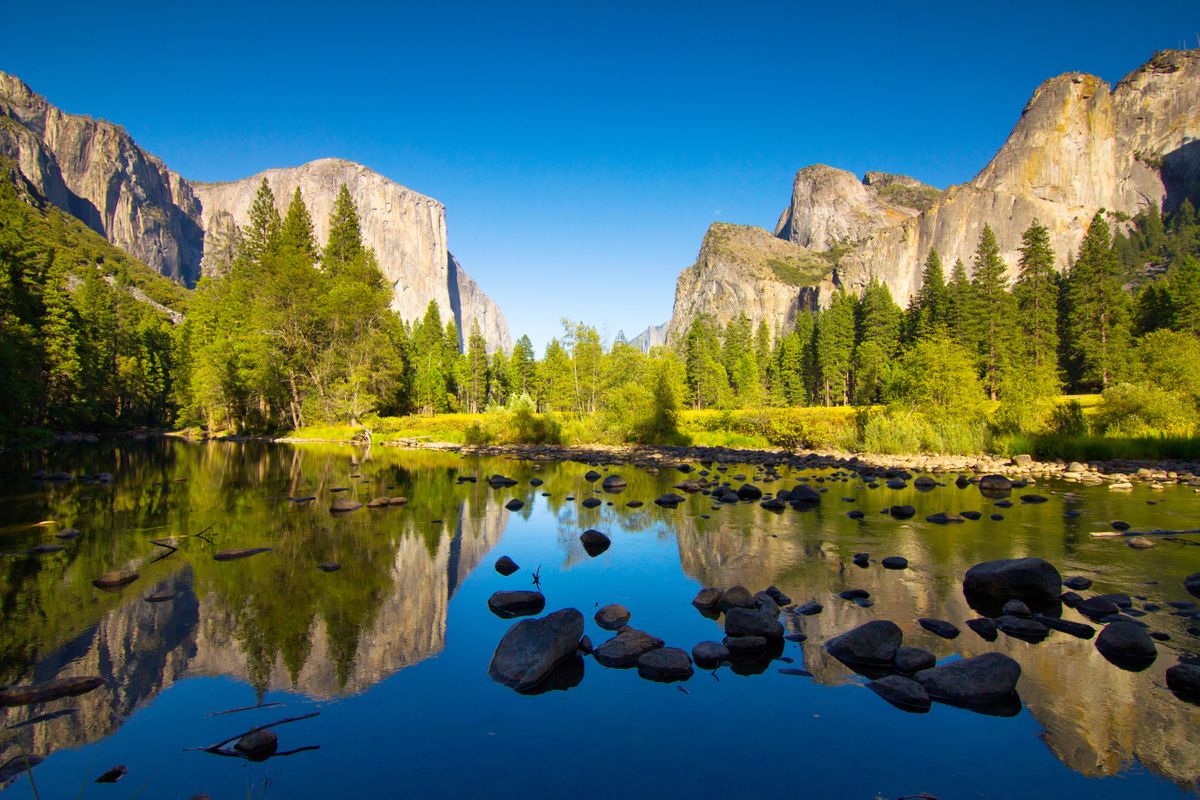

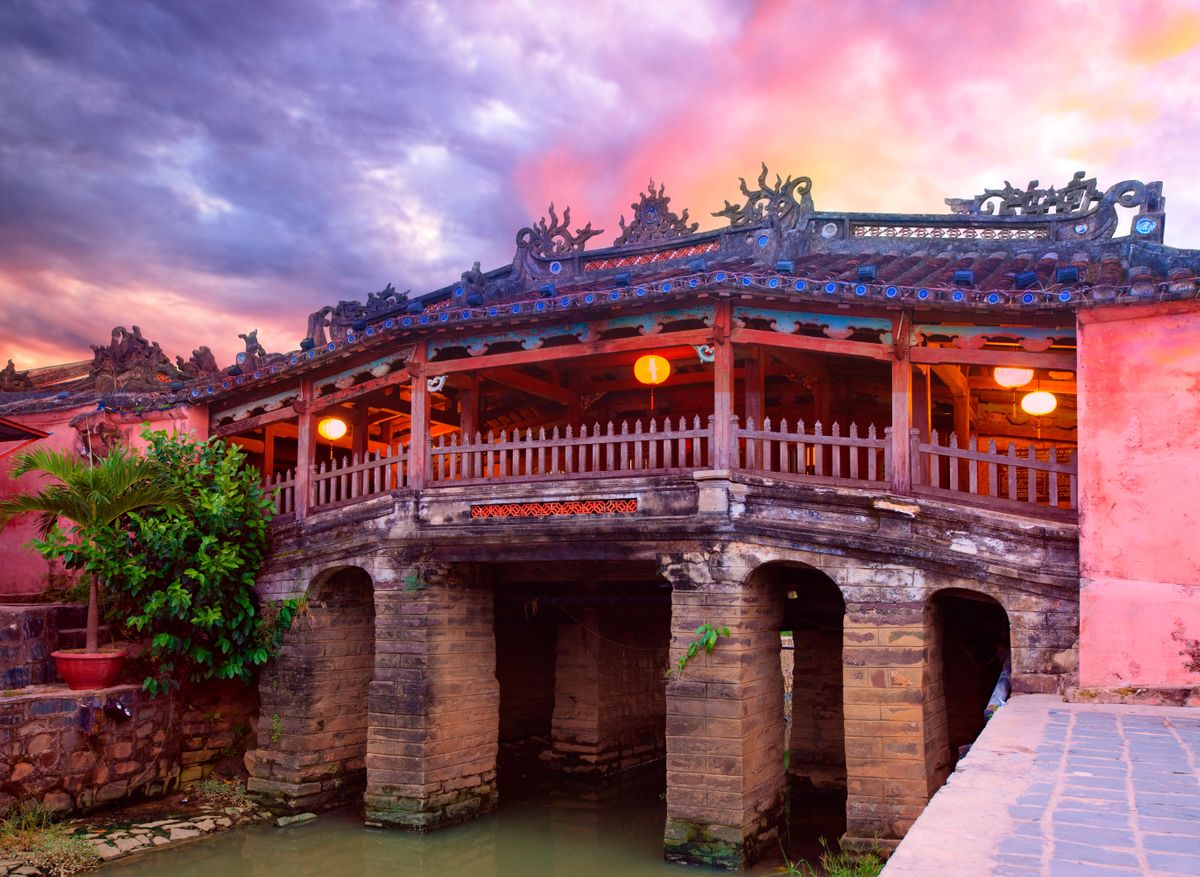
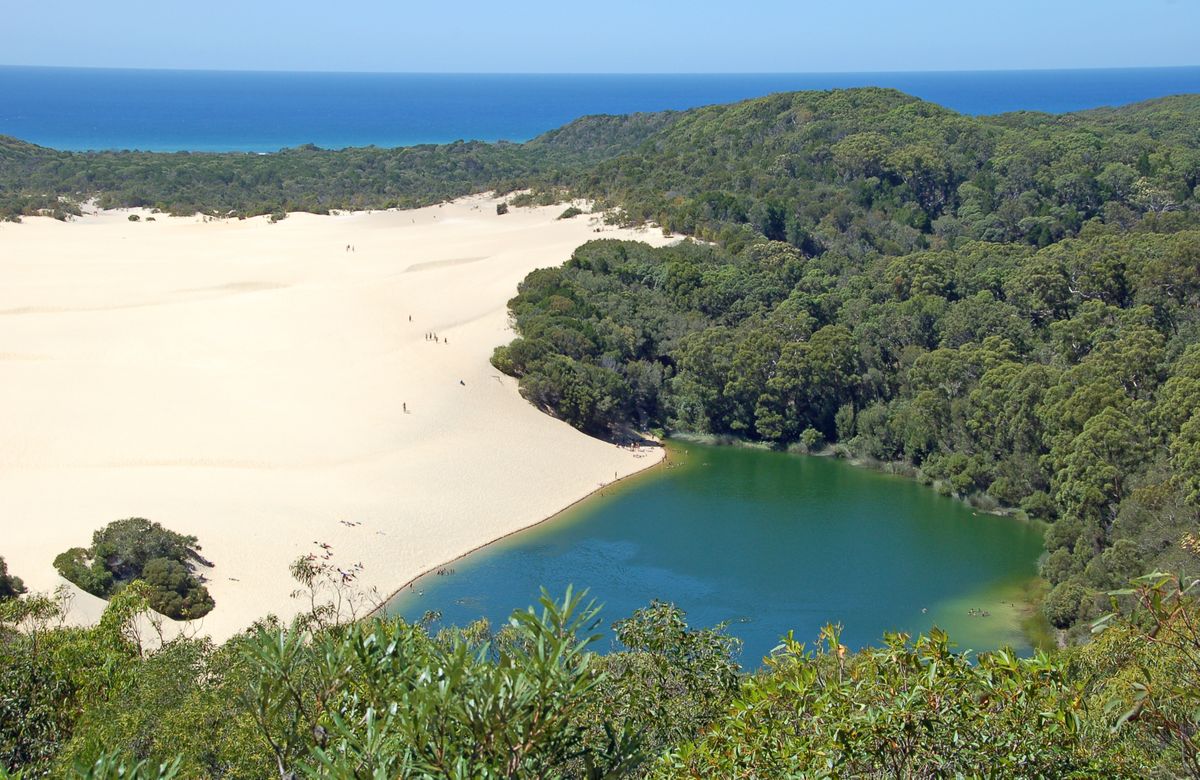

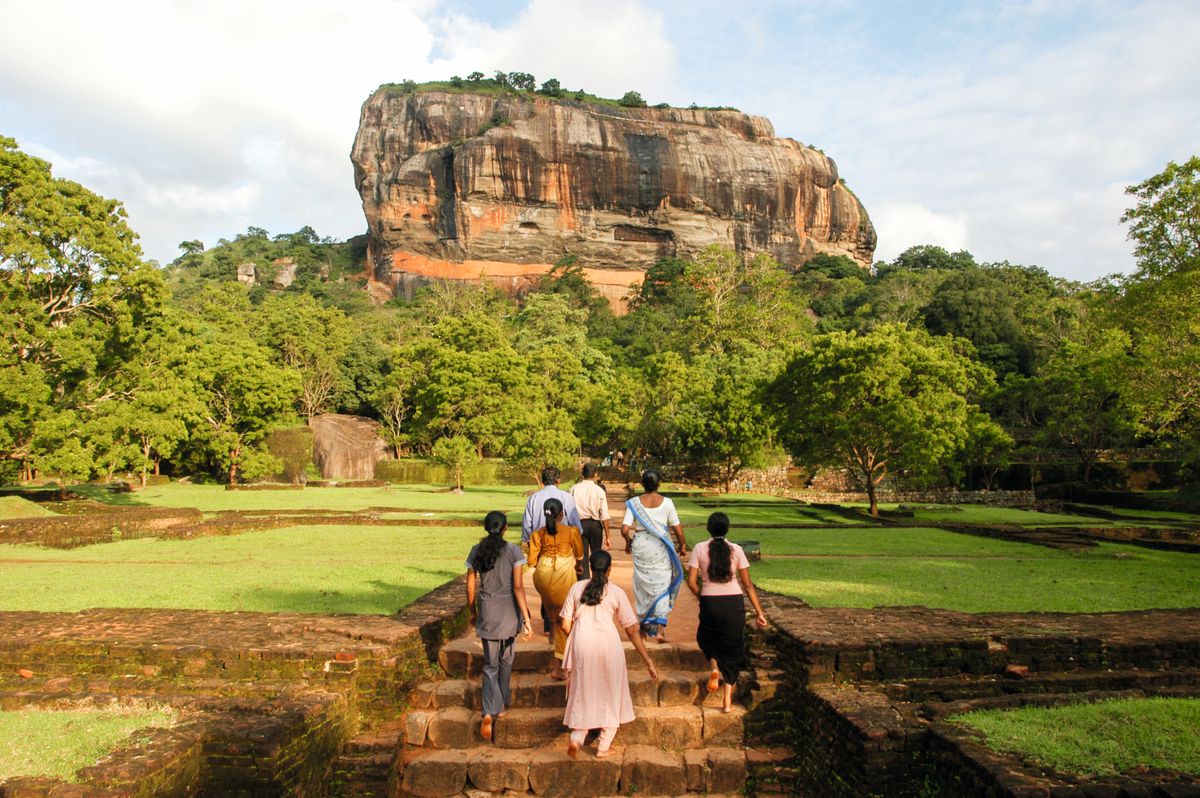

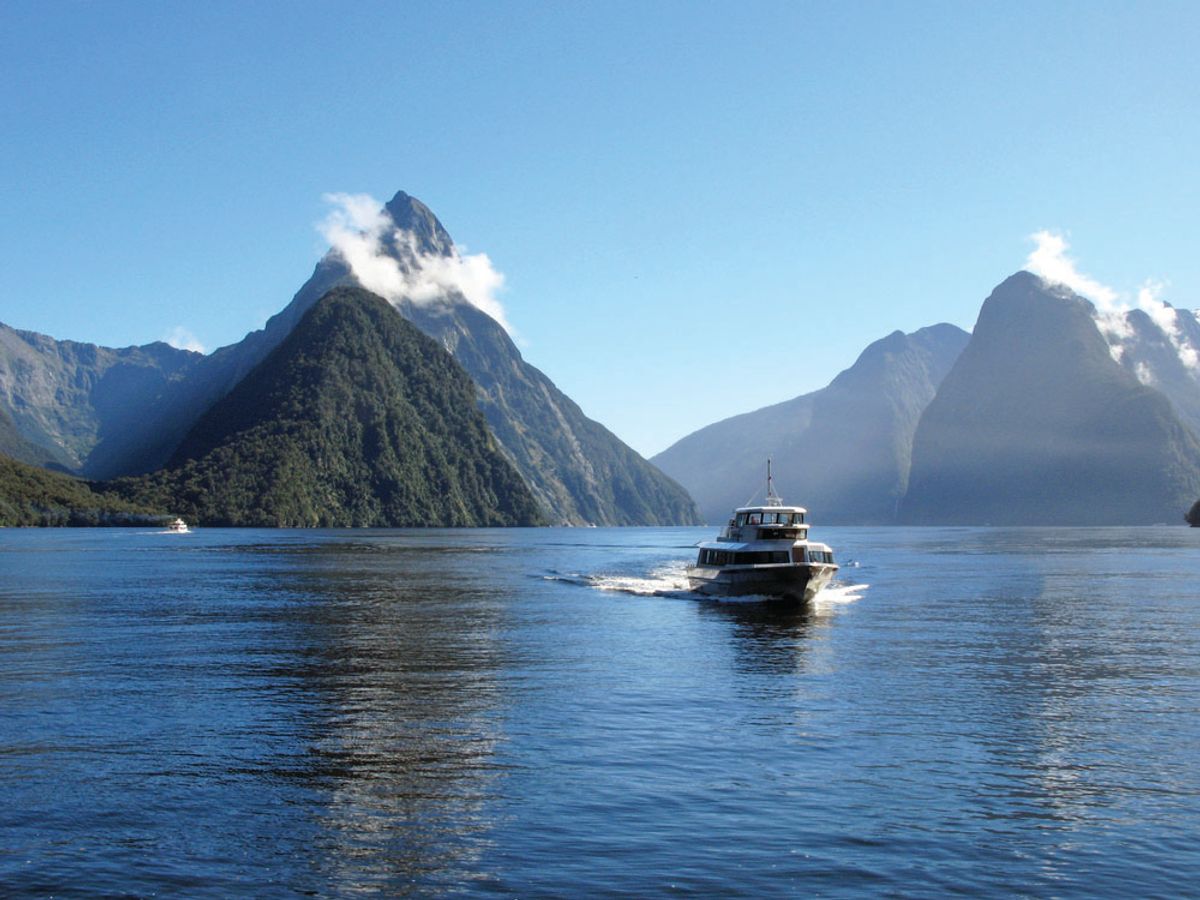
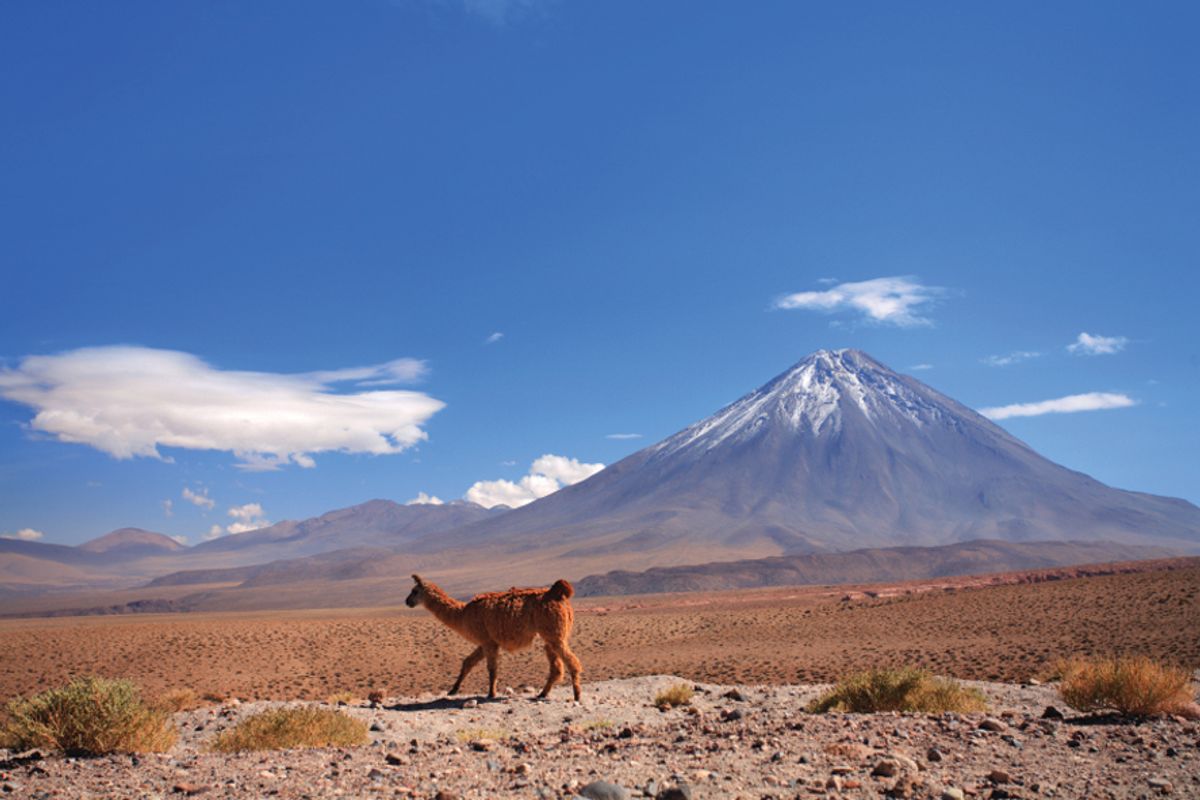
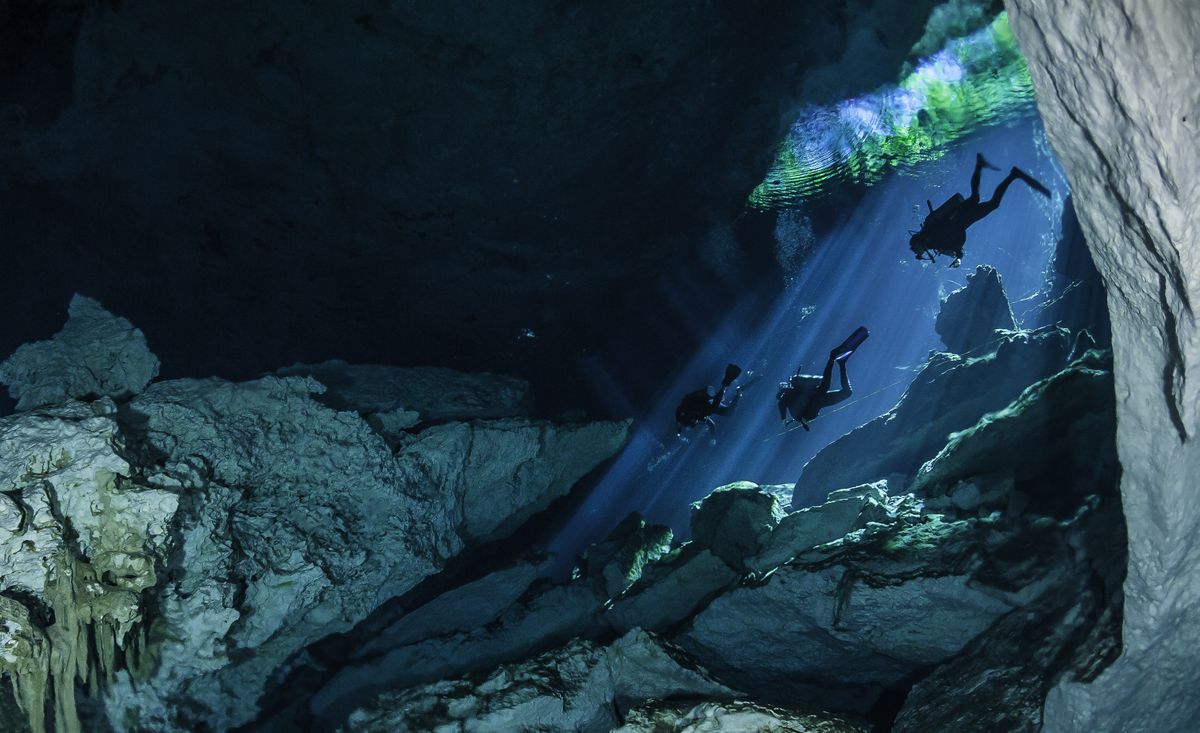
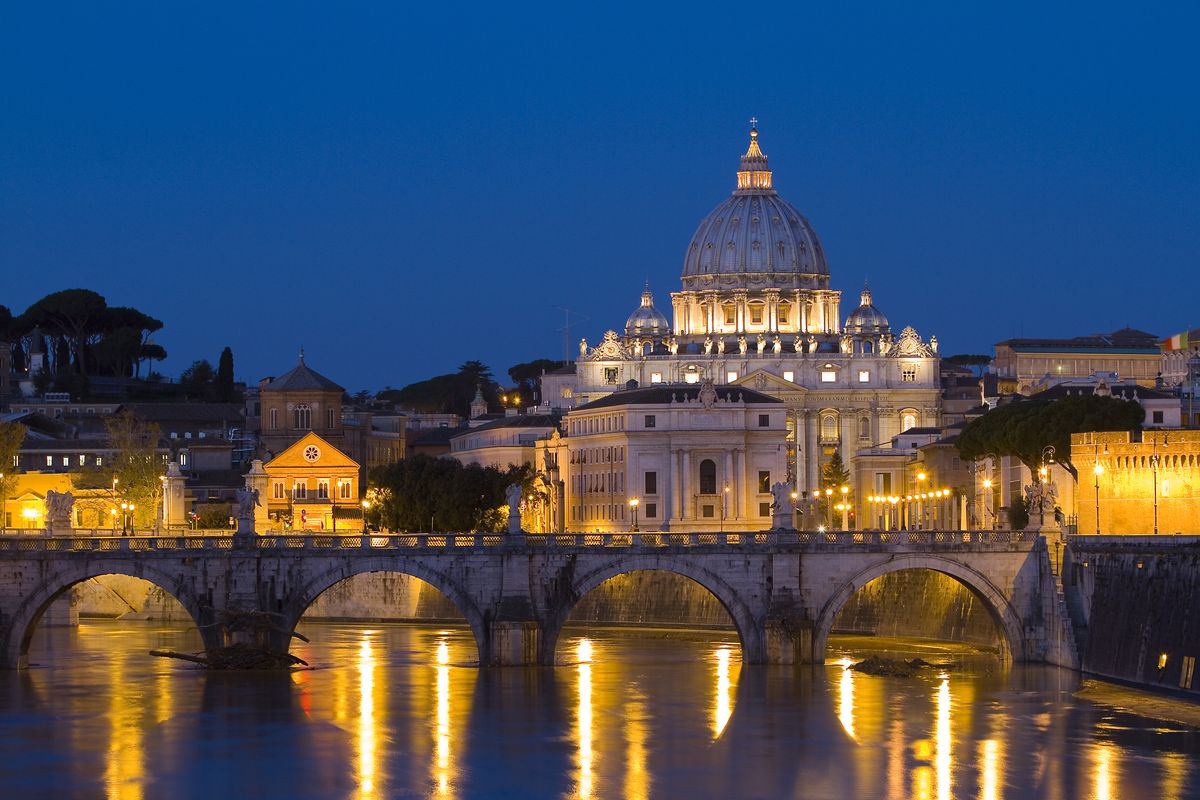
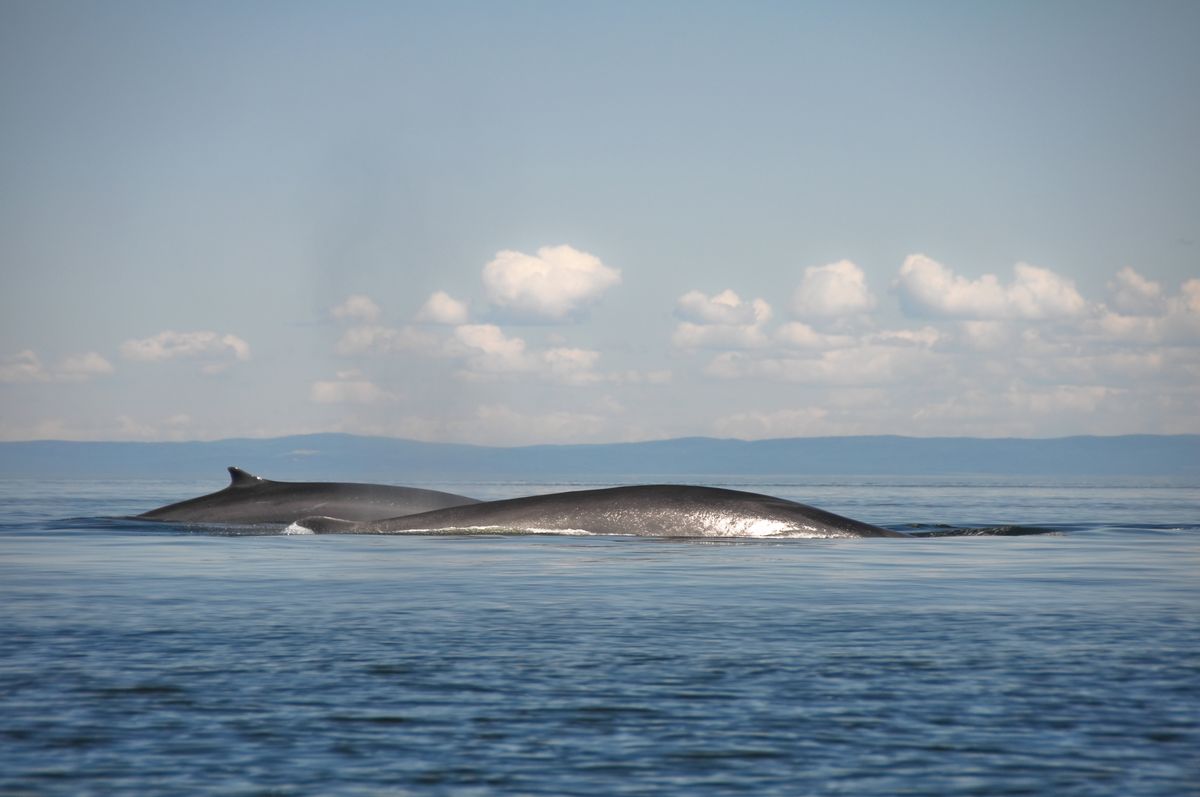
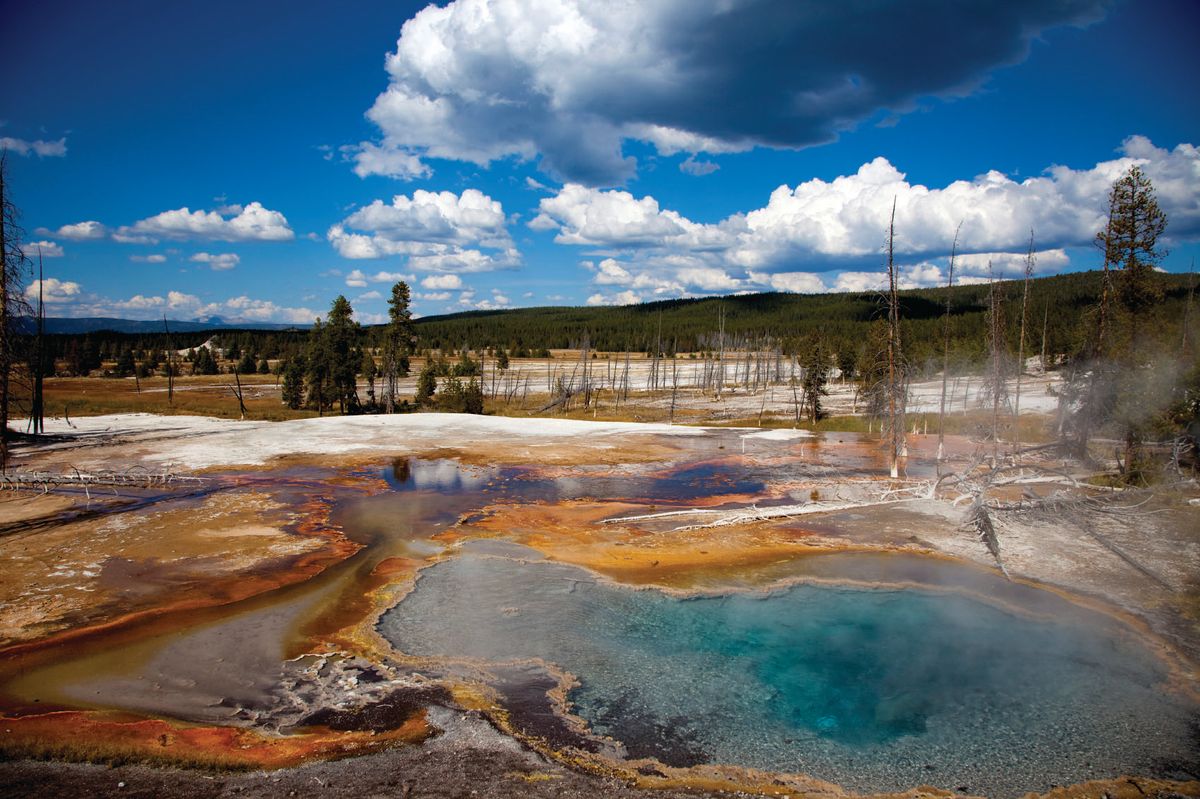


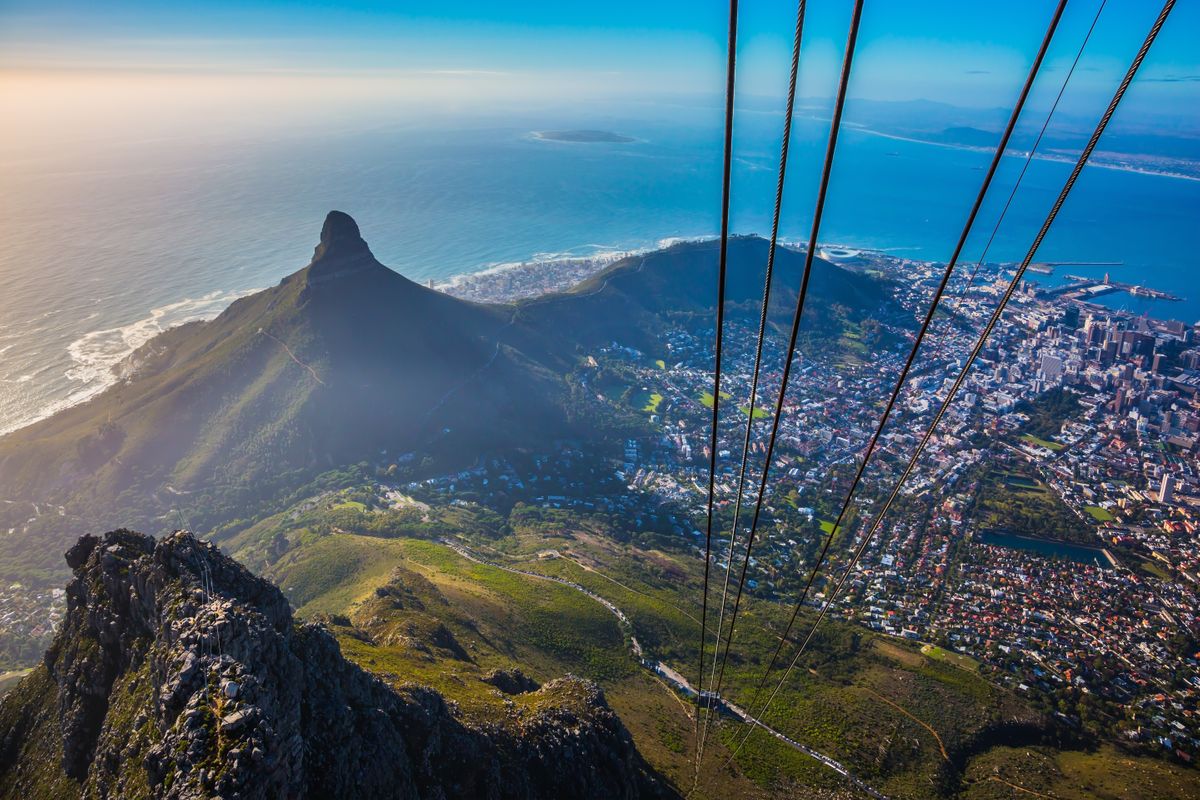
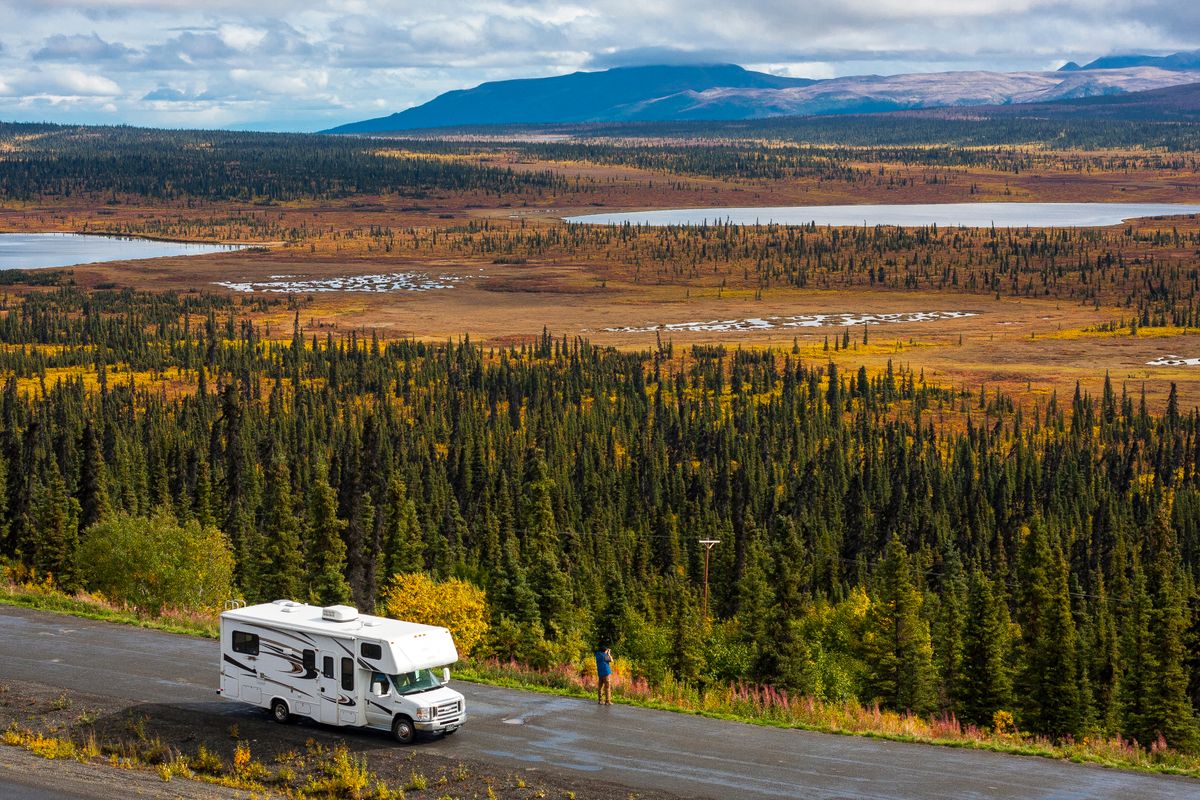
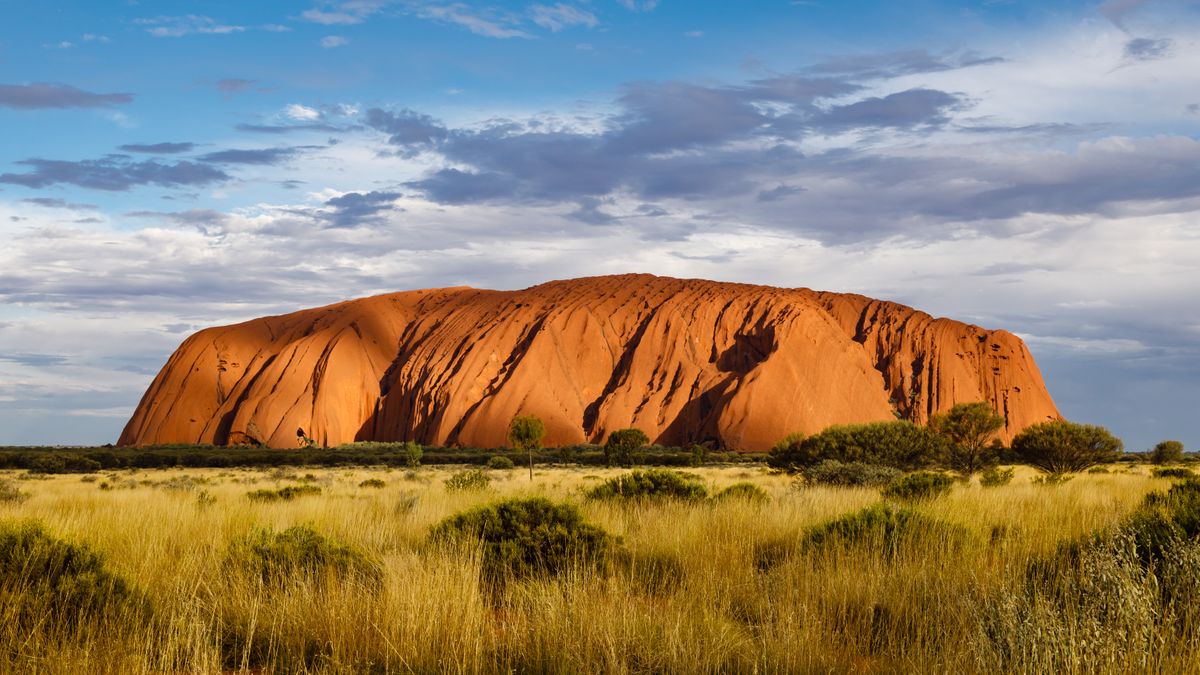


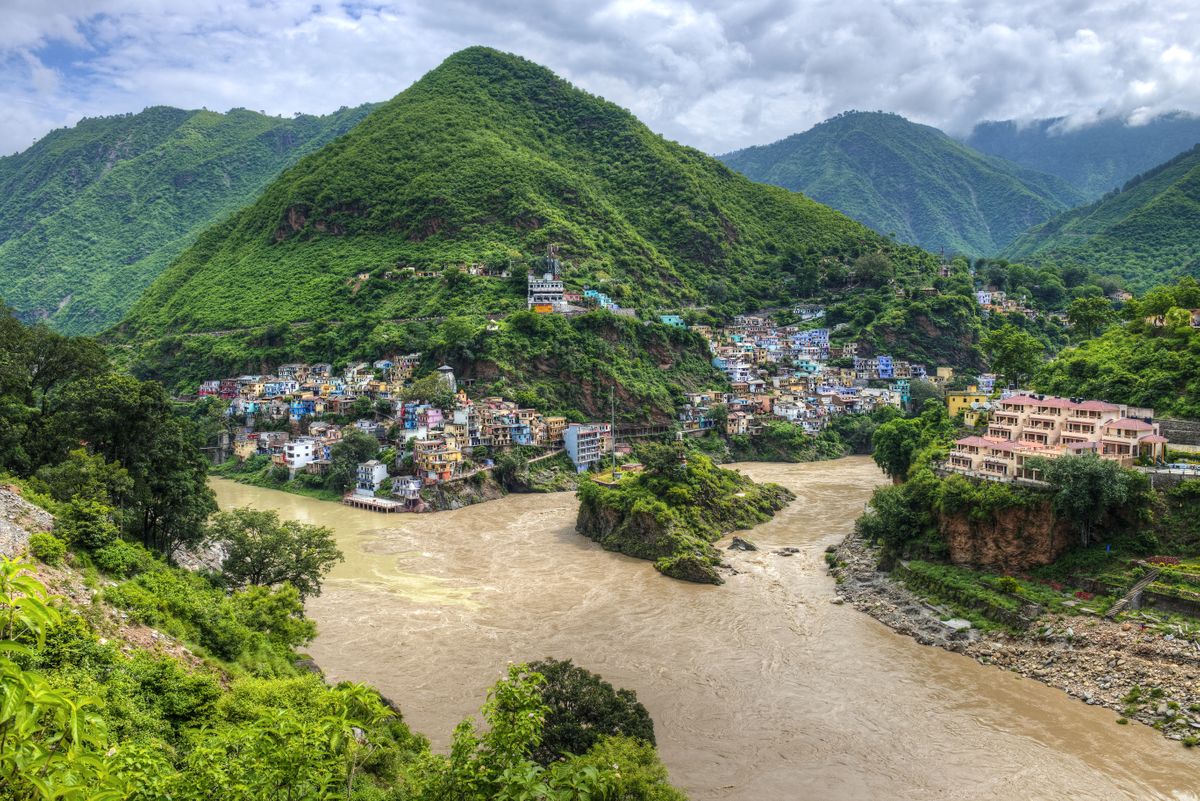
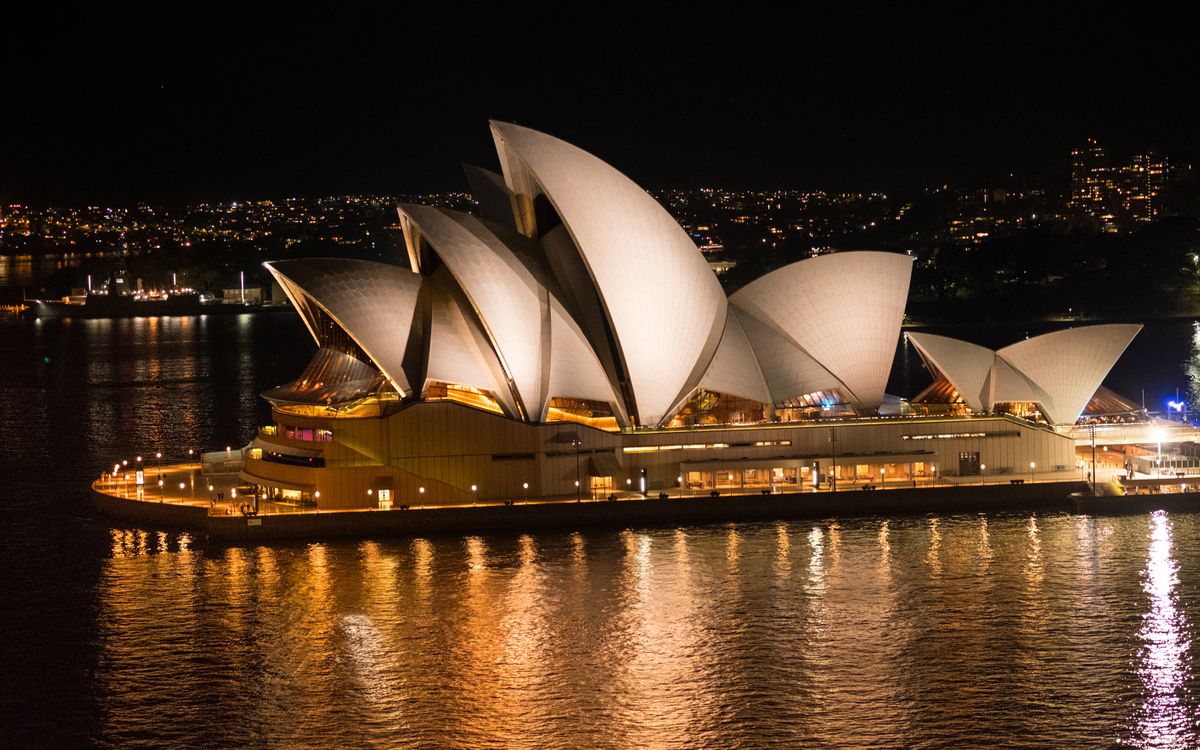
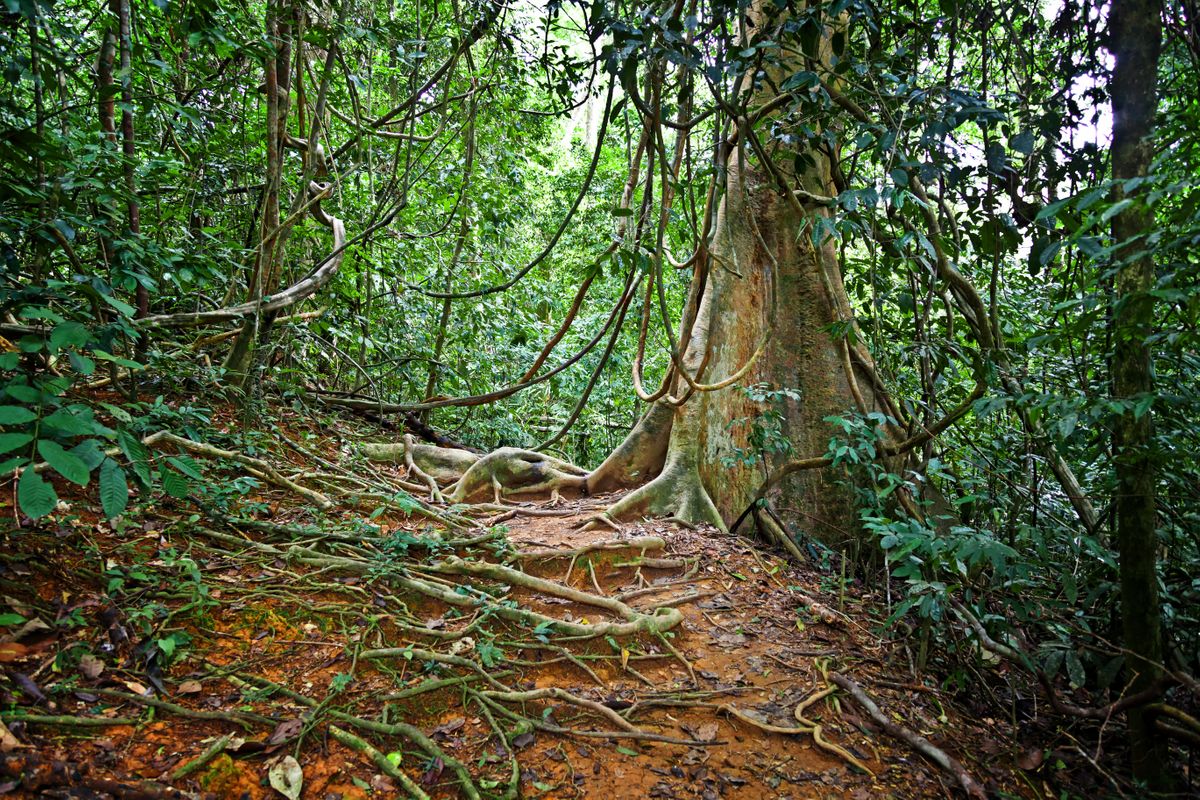

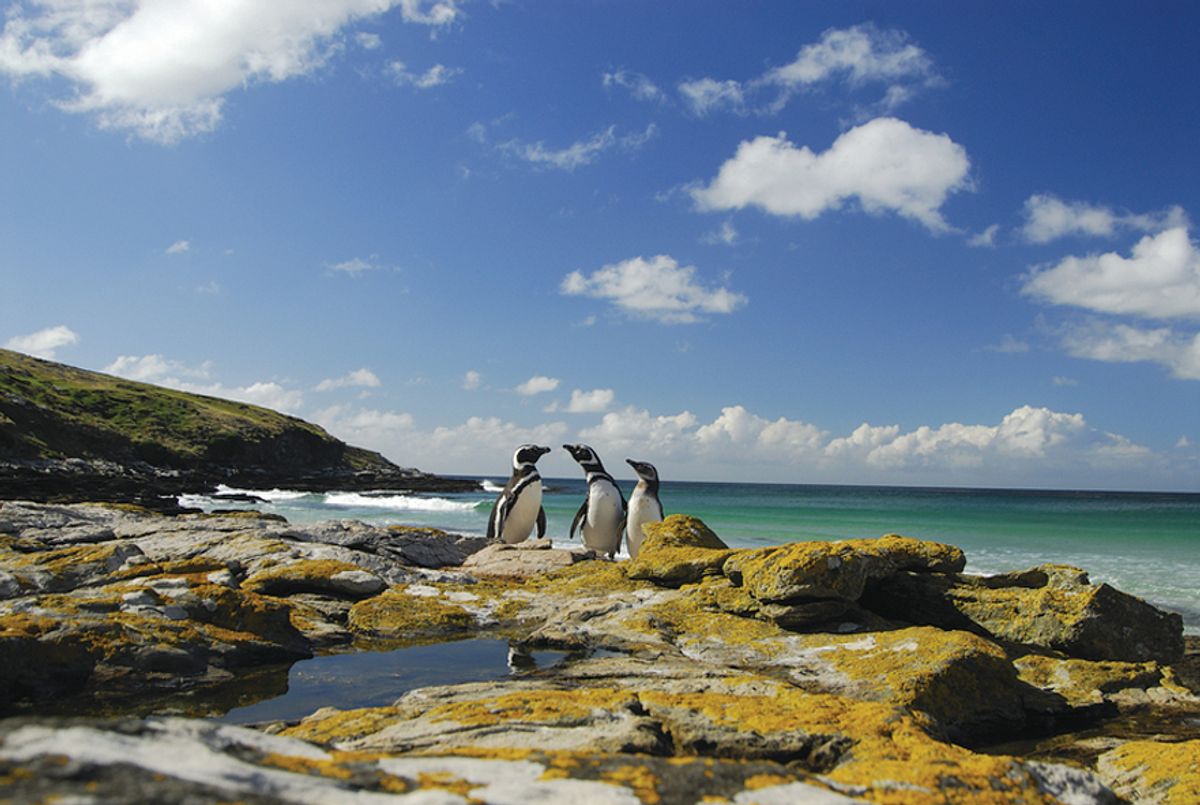
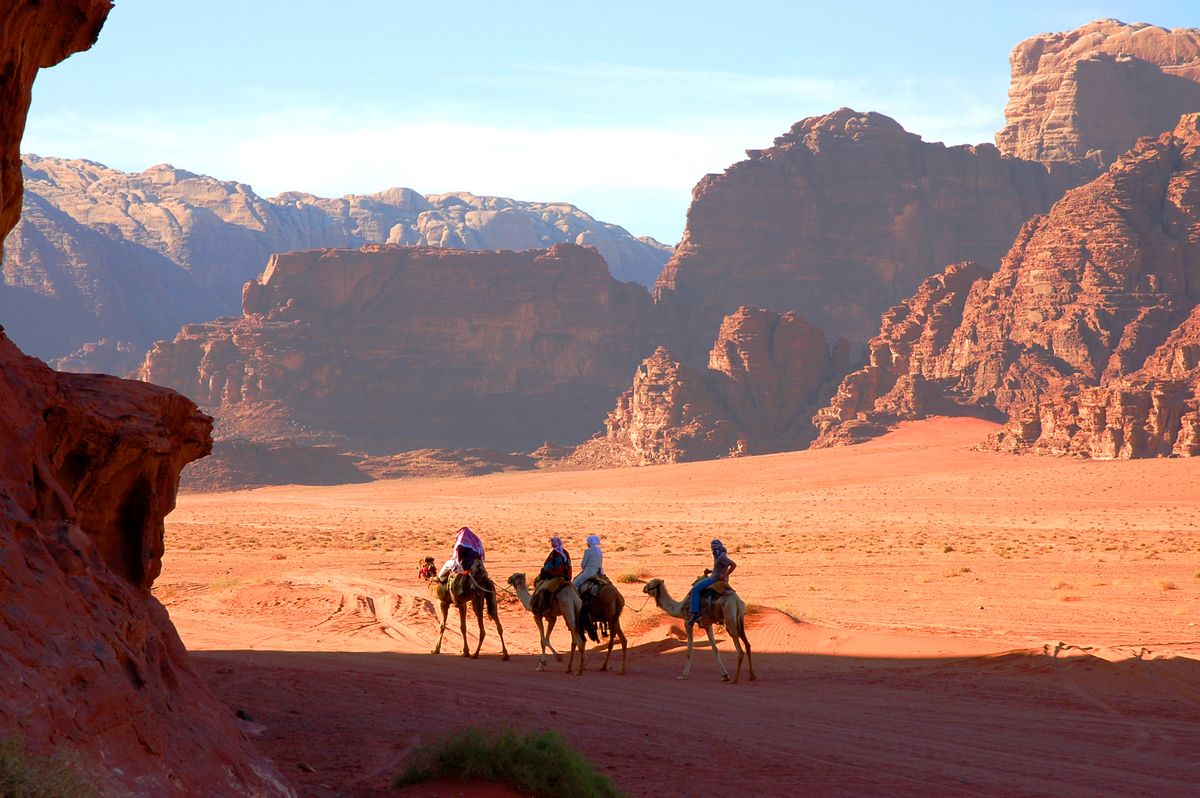

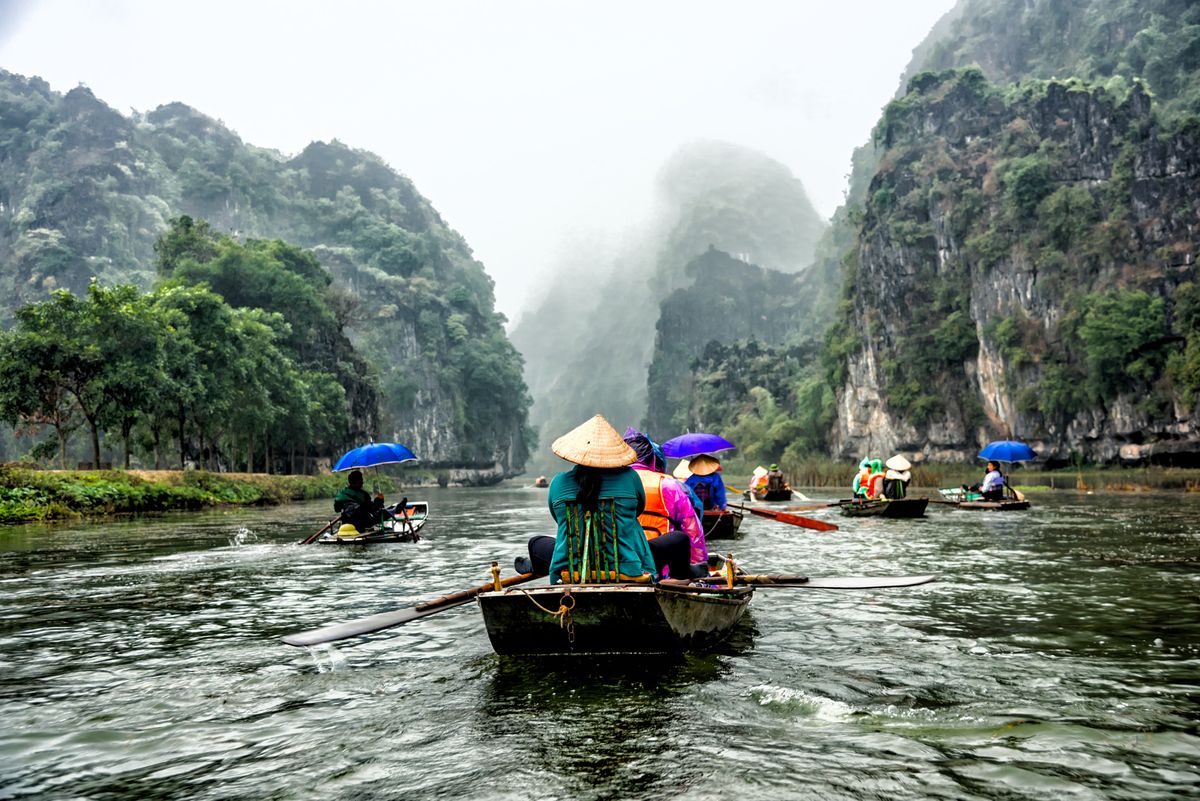


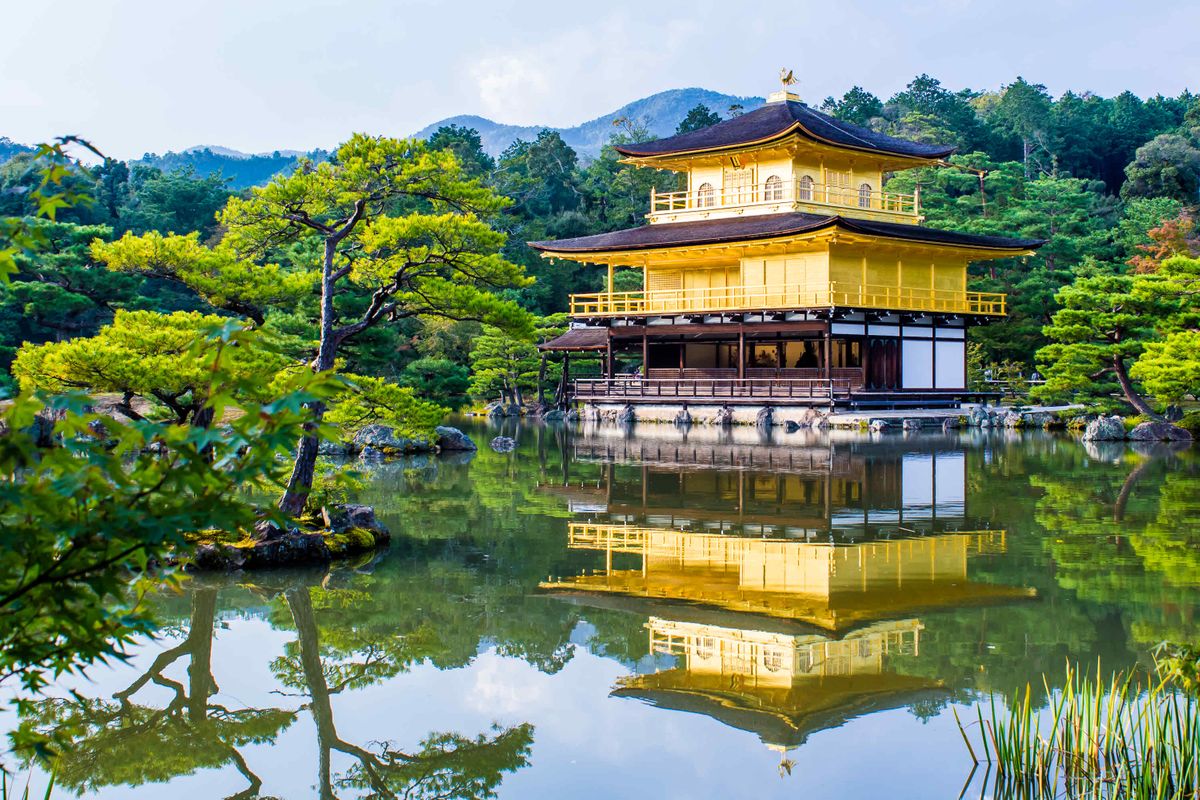
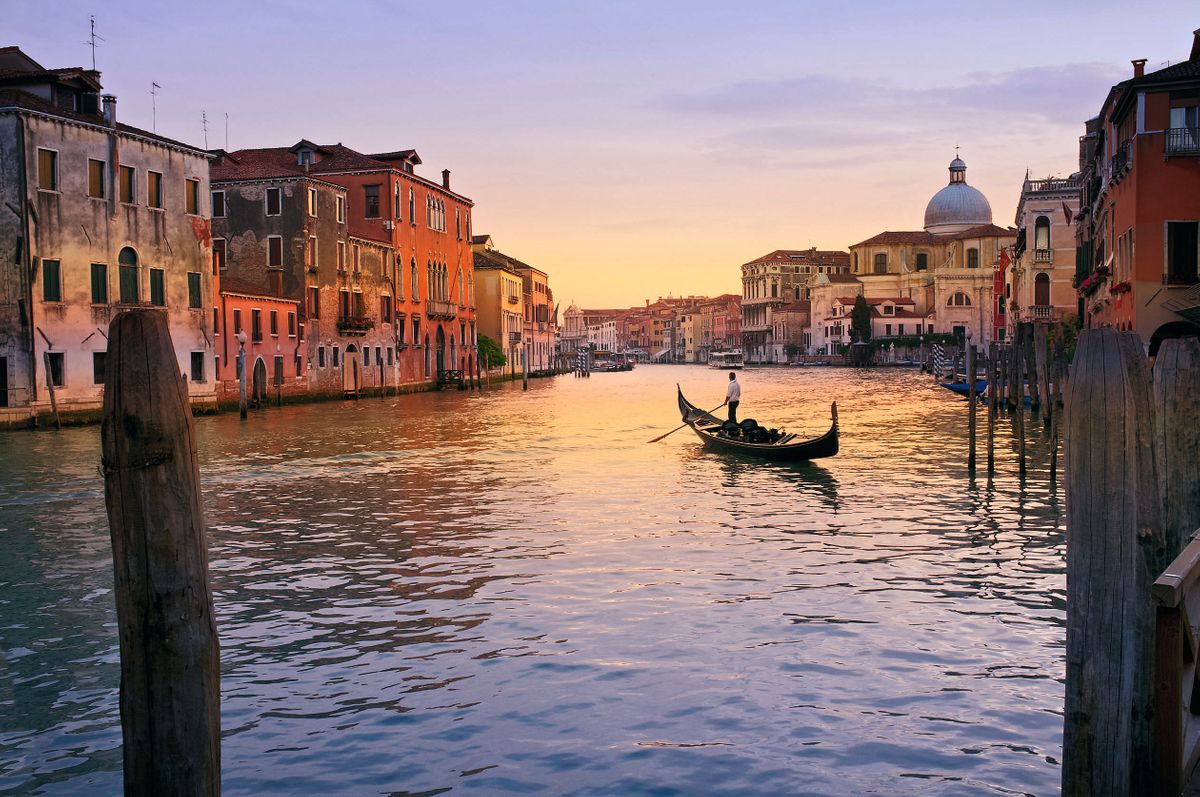

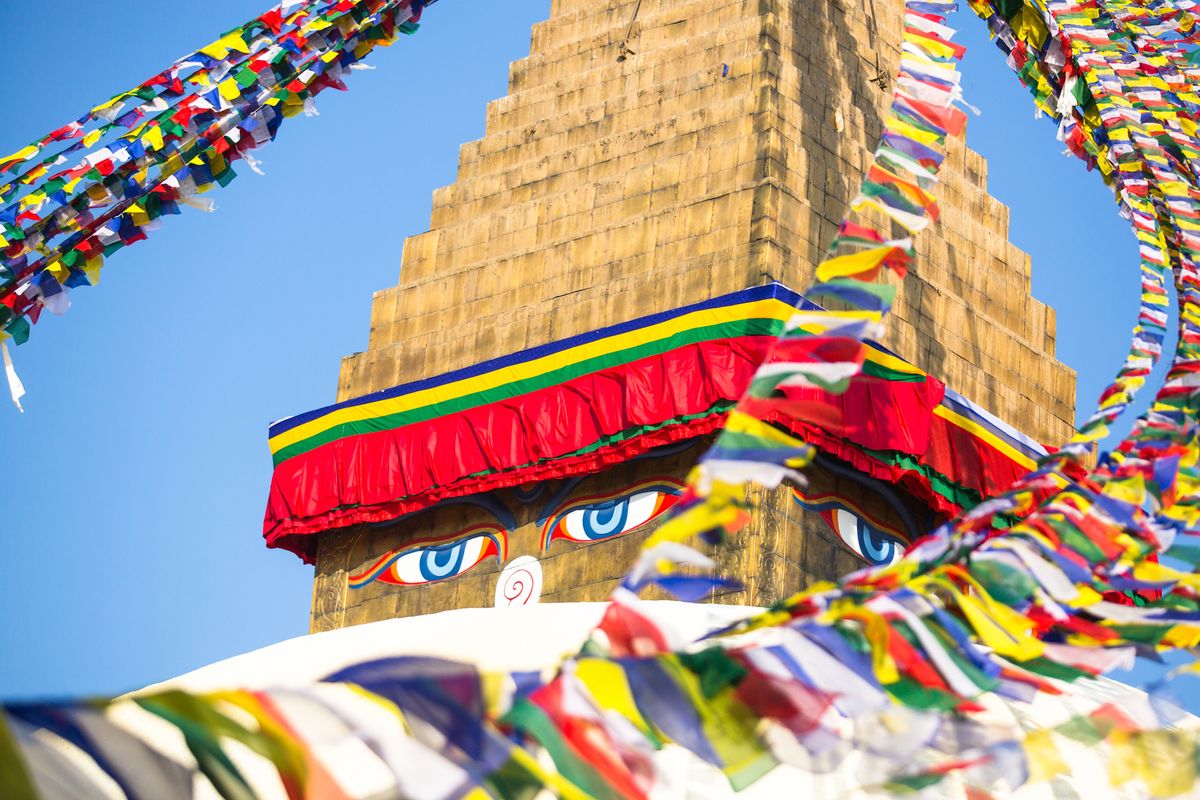
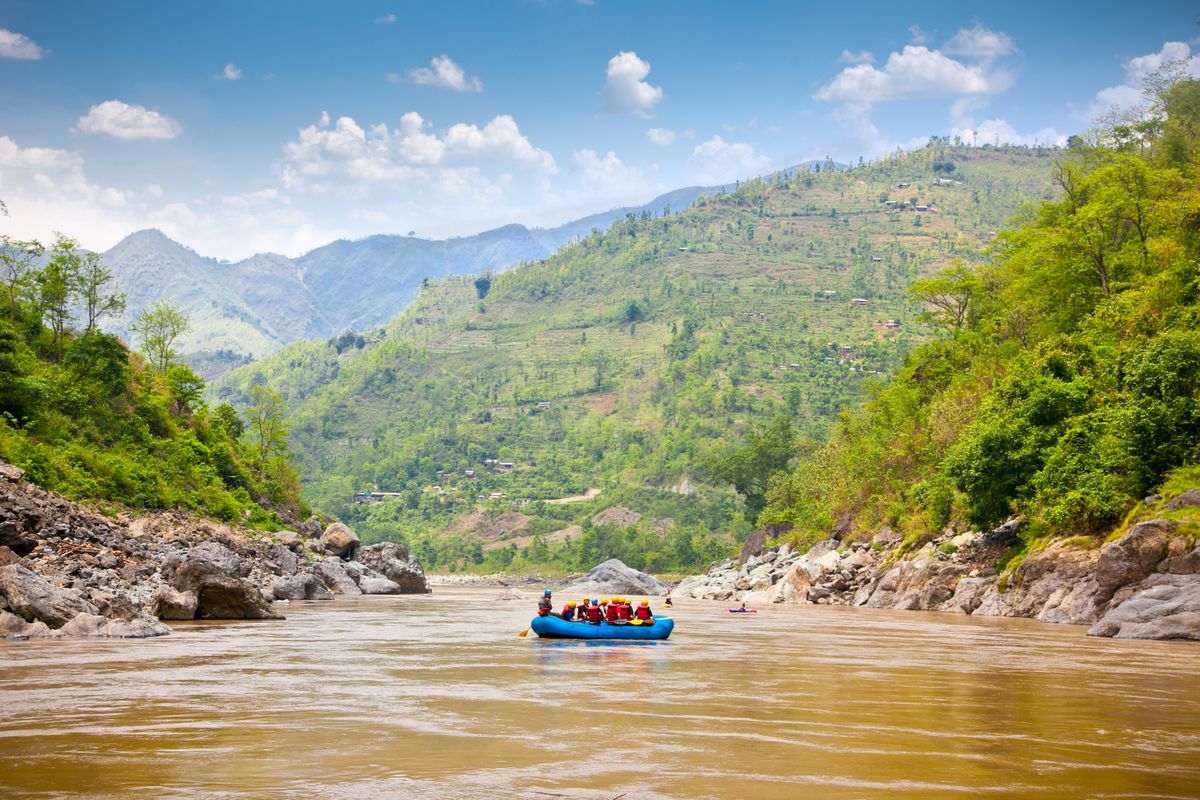

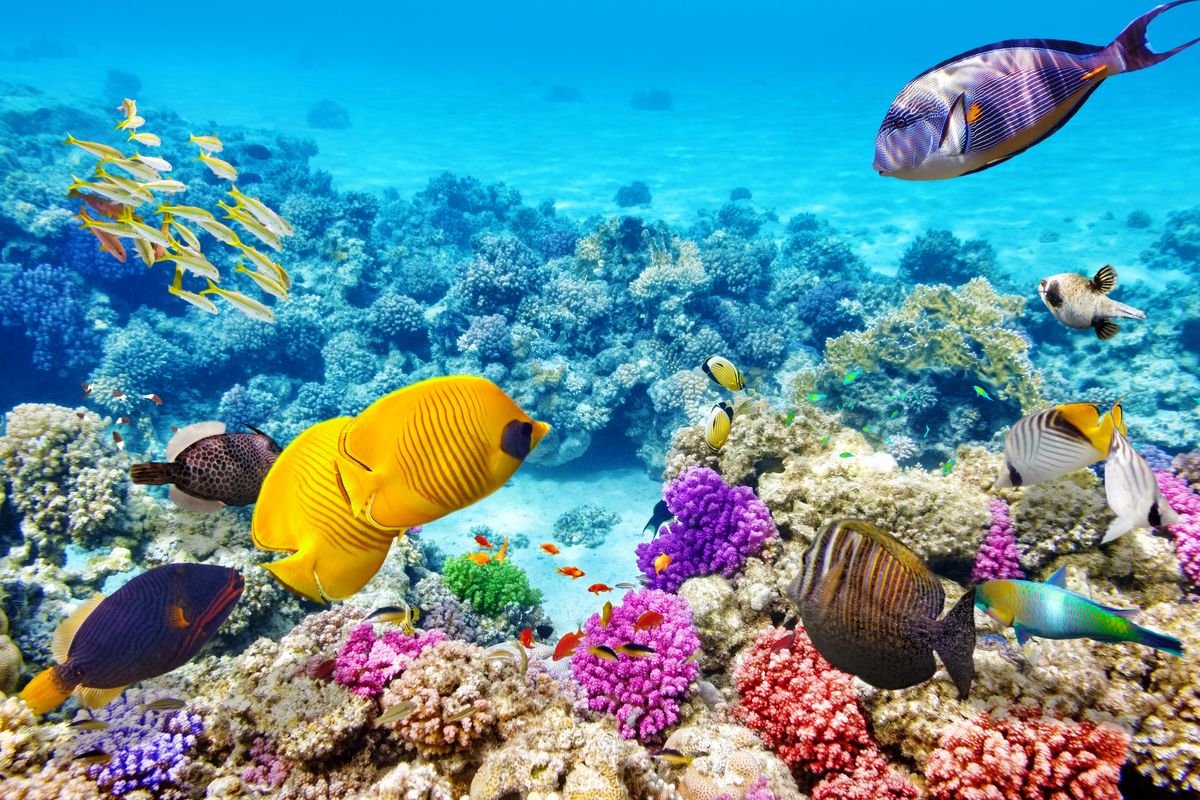


 Nohsngithiang Falls in Meghalaya, one of India’s wettest regions


 Leave your bulky camera at home and turn your iPhone or Android smartphone or Tablet into a high-performance camera! Get up close with its 10x Optical zoom, smooth image stabilization and capture those special moments even in low light conditions.


 After spending 4 nights at Hattvika Lodge, it was time to jump back on route E10 and head south for an hour to reach Eliassen Rorbuer. The scenic drive was spectacular as the road hugged the coastline as snaked its way down to Hamnøy island.
 The Eliassen Rorbuer app features a bunch of helpful travel information such as how to prepare for your trip, what to wear, where the nearest supermarket is, tips on getting around, resort facilities, activities available, plus an entire section dedicated to your booking.
 All over Lofoten you’ll find fisherman’s villages made by red or yellow cabins, these were once used to house the hundreds if not thousands of fishermen who came to these parts from all over Norway for the world’s biggest annual cod fishing event.
 Lofoten comes to life and the harbours bustle with activity between January and April when the fishing season is at its peak. Everywhere you go the scent of fish drying naturally on the wooden racks lingers in the air. This is the only place in the world where the climate favours this kind of natural preservation which maintains the full nutritious value of the fish.
 This is no exaggeration, Eliassen Rorbuer really is postcard perfect and utterly breathtaking. The village is located under towering mountains leaping 1200 metres into the sky. The air is crisp and calm blue waters surround this tranquil island. From our cabin window were gorgeous views over Reinefjord and on our last night I could even see the northern lights from inside the cabin! Less and a minute later I was fully-dressed and out the door to capture nature’s famous light show.
 I was late in the game on booking a waterfront cabin, they were all taken. Instead, I stayed in the Traditional Superior twin-bedroom cottage. As I mentioned earlier, it turned out to be much bigger than I expected. There was a spacious living room with a large L-shaped sofa, dining area, a fully equipped kitchen with a stove, oven, refrigerator, kettle, and coffee maker. Having a kitchen was wonderful since we could prepare our own meals and save money eating out.

 After spending 4 days in the municipality of Vestvågøy to the north, it made sense to move south and base ourselves at Eliassen Rorbuer so we could have Flakstad and Moskenes municipalities right on our doorstep.


 Eliassen Rorbuer have 35 different fishermen’s cabins to choose from. Each cabin features comfortable beds, heating, cooking facilities, and a private bathroom with lovely heated tiles to keep your tootsies warm. Waterfront cabins with fjord views start at NOK 1290 (148 USD). Bookings can be made directly with Eliassen Rorbuer or online. Check current prices, availability and book your stay at Eliassen Rorbuer here


 Listening to podcasts and music are great ways to tune into the sound and flow of a language. This technique is perfect to adopt when you’re waiting in line, commuting, or doing housework. Aim to dedicate at least 15 minutes a day (or more if you have time) to listening to content in your target language. Create a Spotify playlist and start adding music you like and podcasts that talk about subject you’re interested in. If the content bores you, you’re not on the right track. Remember, language learning should be (and is) fun and enjoyable. Only listen to what you like.
 For more structured audio learning, you can’t beat audio courses. My absolute favourite are the courses by Michel Thomas. In a very short amount of time he will have you speaking and forming your own sentences with ease. Michel constantly introduces new aspects of the language whilst revising what you’ve learned.
 A great way to familiarise yourself with the intonation of a new language and the correct pronunciation of certain words, listening to audiobooks is an excellent method. But don’t go out and buy every single Harry Potter audiobook and expect to understand everything just because you know the books inside out. You’re going to need a little help, otherwise, the words will just wash over you.
 I’ve got two words for you – spaced repetition. Spaced repetition is a learning technique that progressively increases the interval of time between previously learned material in order to help you learn faster. That’s Anki in a nutshell. If you’re wondering, “Anki” is the Japanese word for “memorisation”.
 If you’ve got a Netflix account make it work in your favour. If you know how to use it right, Netflix can quickly become one of your favourite study resources as it will help you learn your target language effectively and enjoyably.


