Home Blog Page 86

How to spend a perfect weekend in Nashville

0

While country music and southern charm make up a good part of Nashville’s DNA, the growth taking hold of Tennessee’s booming capital is attracting artists, developers and hospitality giants from around the country who are adding their worldly flavor to Nashville’s signature down-home style. Here’s how to spend a perfect weekend in Nashville.

Neon signs shine on the streets on lower Broadway area; weekend Nashville From honky-tonks to high-class eateries, Nashville is a perfect place to spend a weekend © f11photo / Shutterstock

A two-day stint in the city is just the right amount of time to get a taste of Nashville’s past and its current evolution into a major metropolis. From standing-room-only honky-tonks to swanky rooftop cocktails, Music City wraps up the thrills of big city living in a southern-fried package that just might inspire a return visit.

Saturday

Morning

In Nashville, the early birds get the biscuits. Luckily, the flaky perfection of Loveless Cafe’s iconic version is worth resisting the urge to press the snooze button – it’s also key for beating the reliably long weekend lines. After scoring a table at this landmark 1950s roadhouse cafe, queue up and order some of their famous country ham and biscuits served with sorghum molasses.

After fueling up, make your way downtown to the Ryman Auditorium, a church-turned-concert-hall that originally housed the Grand Ole Opry radio show. This is where Johnny Cash met June Carter and a teenage Elvis attempted to launch his career; it’s the stuff of music legend. Tours start at 9am, but you should purchase tickets a few days ahead of time to secure your spot.

Take a five-minute walk from the Ryman to the Johnny Cash Museum, which houses the most comprehensive collection of memorabilia and artifacts dedicated to ‘The Man in Black.’ The space isn’t overwhelmingly large, so you’ll have time to pop into the Patsy Cline Museum directly upstairs and explore the history behind one of country music’s legendary singers.

Nashville’s most Instagrammable spots

Music City is brimming with photo-worthy fun. Here are some of the best places to make your profile pop

Afternoon

Continue another five minutes east to the John Seigenthaler Pedestrian Bridge and take in the sweeping views of the Cumberland River. It’s also prime real estate for spectacular photo ops – no filter required.

Now that the breakfast biscuits have been walked off, top up the tank with a visit to Pinewood Social, a comfy hang located in the city’s former trolley barns. Inside, you’ll find plenty to keep your attention – from a bowling alley to a wading pool – alongside hearty salads, sandwiches and grain bowls.

Even if you’re not a country music fan, the Country Music Hall of Fame is definitely worth a few hours of your day. Kids can get crafty in the Taylor Swift Education Center while the adults marvel at Elvis’ gold Cadillac and Hank Williams’ Western-cut suit. Don’t miss the Hatch Show Print – one of the oldest letterpress print shops in the U.S. – located next door to the museum. It’s been producing country music’s iconic posters for decades.

A photo of hot chicken tenders stabbed with toothpicks and pickles next to crinkled fries on top of red and white paper in a red bowl; weekend Nashville Get your hot chicken fix at Hattie B’s

Evening

After working up a thirst, call up a rideshare and drive six minutes west to the Patterson House, an upscale speakeasy that plays host to some of Nashville’s finest cocktails. The chandeliers, cozy banquettes and dim lights might set an illicit mood, but the drinks here are all on the up and up.

One of the best ways to soak up your cocktails is with a heaping plate of fried chicken. And when you’re in Nashville, that means ordering it hot – and at Hattie B’s. There’ll likely be a line, but don’t let that deter you. The perfectly crisp, yet moist bird here is worth it. The ‘shut the cluck up’ option is practically nuclear.

Long after the sun has set, nearby Broadway continues to pulse with energy. It’s easy to get swept up in the frenzy of neon lights, pedal taverns and bachelorette parties stumbling their way through Taylor Swift lyrics, but you’ll want to dip into the strip’s more popular honky-tonks — like Robert’s Western World, Tootsie’s and Nudie’s – for a taste of Nashville’s live music scene.

Aerial view of a Bicentennial Capitol Mall with trees and tall pillars. In the middle is circle stone with the Tennessee flag emblem painted on it; weekend Nashville Learn about the state’s history with a visit to Bicentennial Capitol Mall

Sunday

Morning

While the biscuits at Loveless are a nod to Nashville’s past, the gourmet concoctions at Biscuit Love are a glimpse into the city’s future. This food-truck-turned-brick-and-mortar shop turns the doughy classic on its head with their irresistibly sweet ‘bonuts’ and monstrous biscuit sandwiches. The line gets busy quickly, so getting there early is a must.

From here, rent a Bird scooter and amble over to the Bicentennial Capitol Mall for a taste of the state’s history. Here you’ll find a 200-foot granite map of Tennessee, the Tennessee State Museum and direct views of the state’s capitol. The nearby Nashville Farmers Market is also an excellent way to check out the state’s local bounty.

Afternoon

Head about five miles south to the IG-famous 12South neighborhood for mural selfies and boutique shopping. White’s Mercantile, Savant, Imogene + Willie, and Draper James offer up a variety of locally made home goods, high-end clothing and eclectic accessories that make for perfect souvenirs.

While you’re in 12South, scout out the original location of Frothy Monkey, Nashville’s go-to coffee klatch. Power up with one of their caffeinated concoctions and rustic sandwiches, or for something heartier, swing into nearby Edley’s Bar-B-Que for their low-and-slow cooked meats.

Closeup of a pair of hands playing an acoustic guitar; weekend Nashville There’s no shortage of fantastic music shows in Nashville

Evening

Every Sunday at 6pm, Bluebird Cafe hosts its Sunday Spotlight, a free performance that puts up-and-coming bands and songwriters up on stage. While you might recognize it from the popular television series ‘Nashville,’ the Bluebird has hosted the likes of Garth Brooks, Emmylou Harris and the Cowboy Junkies since 1982. There’s no cover charge, but you’ll want to reserve your seats online a week before the performance.

After the show, head over to the Bobby Hotel in downtown for dinner at Tavern at Bobby. A massive chandelier made of out of car parts and an acoustic guitar lounge will lead you into a polished den where chef Jeff Axline doles out inventive takes on New American cuisine. Of particular note, the fall-off-the-bone chicken wings on a bed of jalapeño creamed corn and the towering Bobby burger.

Rocky Mountain National Park’s best hikes Visit Now

0

Lace up your boots and get ready to explore the vast wilderness of Rocky Mountain National Park, where the windswept tundra contains an ecosystem of hundreds of species of wildflowers, and the sculpted peaks silhouetted against the blue sky serve as a dramatic reminder of the last ice age. It’s a big place, so to help you find your way, here are some of Rocky Mountain National Park’s best hikes.

Bear Lake

Bear Lake is one of the park’s most popular destinations for first-time visitors, and with good reason. From here you’ll have a front-row vantage point of the dramatic glacial valleys and hulking granite summits that make the Rocky Mountains such a singular landscape. With ten lakes in the area and superb vistas, you should definitely expect large crowds.

Hikes here range from easy jaunts around Bear Lake (0.5 miles) or to Alberta Falls (1.6 miles) to more challenging excursions that follow the glacial valleys up to their origins. Mills Lake (5.6 miles) is a good choice, as is the Loch (6.2 miles), which can be extended to the exquisite Lake of Glass and Sky Pond (9.8 miles), both of which are as serene as their names suggest. And while Flattop Mountain (12,324ft, 8.8 miles) may not be the park’s best summit, there’s no denying its magnetic pull from down below. Use the park shuttles to get to the trailhead.

Trailhead: Bear Lake/Glacier Gorge
Difficulty: Easy to strenuous
Total Distance: .8 miles
Elevation Gain: 45ft
Great for: Aspen groves and a picturesque lake

Bear Lake to Fern Lake

This day hike is a ranger favorite and known for its diverse scenery. On this hike you’ll climb up to the treeline and an alpine lake before dropping back down through fields of scree and into a forested valley. Here you’ll pass more lakes, waterfalls, aspen groves and elk-inhabited meadows.

Thanks to the park shuttle system, this is a one-way trip that requires no backtracking – and what’s more, it’s mostly downhill. You can’t miss Lake Helene, which sits serenely beneath the imposing rough-cut cliffs of Notchtop and Flattop mountains. To do this hike, park at Fern Lake Trailhead (the endpoint), and then take the shuttle to Bear Lake Trailhead. Shorten the trip by simply going to Lake Helene and back (5.8 miles).

Trailhead: Bear Lake
Difficulty: Moderate
Total Distance: 9.2 miles
Elevation Gain: 1215ft
Great for: Great views and a mountain lake

A bull elk bugling around other elks on a grassy plain A bull elk bugles a challenger to a rival bull in Rocky Mountain National Park

Longs Peak & Chasm Lake

Iconic in every way, Longs Peak is the pinnacle of RMNP and one of Colorado’s classic climbs. The tallest peak in the park (14,259ft), Longs Peak’s exhilarating and exhausting Keyhole Route is on many visitors’ to-do list. The top of this route is the crux, consisting of narrow traverses, vertiginous cliff faces and heart-pounding clambering up polished slabs of rock. Most people start the climb by 3am in order to reach the summit before noon.

The good news is that you don’t have to reach the summit or turn your legs to jelly. Chasm Lake, located at the foot of the Diamond – Longs’ legendary east face where technical climbers rope up to scale the 1000ft wall – is routinely rated as one of the park’s best hikes. Chasm features all the spectacular scenery of the peak without the risk and arduous ascent. However, at 8.4 miles round trip, you’ll still need to be in very good shape.

Trailhead: Longs Peak
Difficulty: Very Strenuous
Total Distance: 15 miles
Elevation Gain: 5100ft
Great for: A difficult but rewarding hike with spectacular views

Gem Lake

At the northeastern end of the park is Lumpy Ridge, composed of 1.8-billion-year-old granite formations that were sculpted by the elements rather than by glaciers. This markedly different style of erosion has resulted in an array of whimsically shaped boulders, balancing rocks and colossal domes. The trail to Gem Lake is a great way to explore the area, with superb vistas back to the Continental Divide all the way up to the jewel-like lake.

Kids love the abundant scrambling opportunities in this area (as do rock climbers), making it a good family hike. While relatively short, the elevation gain will keep you puffing.

Trailhead: Lumpy Ridge
Difficulty: Moderate
Total Distance: 3.6 miles
Elevation Gain: 910ft
Great for: Active families and unique landscapes

Cast iron stove in a log cabin in Rocky Mountain National Park Area history is seen throughout Rocky Mountain National Park, such as in this log cabin at Holzwarth Historic Site

Mount Ida

One of the easier peaks to access along the Continental Divide, Mt Ida (12,880ft) is a choice spot to enjoy a prolonged top-of-the-world feeling and monumental views in all directions. Perhaps because it is on the western side of the park, this is a relatively unknown summit and an excellent place to escape the crowds along Trail Ridge Road. Indeed, most of the drivers across the valley will be craning their necks in admiration of the ridge you’re about to ascend.

This is a relatively gradual ascent, following the Continental Divide Trail past miniature alpine wildflowers (whose roots extend six feet below ground) all the way to the summit. The last stretch is a clamber through boulder fields and past a few false peaks – the reward is soon to come, with a sheer drop-off on the eastern side of the ridge that looks down upon a string of icy-blue alpine lakes.

Trailhead: Milner Pass
Difficulty: Moderate to Strenuous
Total Distance: 10 miles
Elevation Gain: 2122ft
Great for: Sweeping views and challenging ascents

Tips & Safety

  • These hikes are best done from mid-June to mid-October. Be prepared for snow and ice the rest of the year.
  • Get an early start – dawn if possible – as this will not only improve your chances of spotting wildlife, but also ensure you get a coveted parking spot and are out of the high country by noon, when summer storms usually roll in.
  • Don’t underestimate the altitude, especially if you’re coming from sea level. Give yourself time to acclimatize and bring sunscreen, sunglasses, hat, ibuprofen, windbreaker and fleece. Staying hydrated is crucial.
  • The park has six developed campsites. The best camping options, however, are in the backcountry, where you’ll find over 200 sites and greater seclusion. Hiking from Wild Basin Trailhead to Ouzel Falls and then Bluebird or Thunder Lake makes for an unforgettable backpacking trip.

This article was originally published in October 2014. It was updated in 19 August 2019.

Alternative Yucatán adventures away from the crowds

0

Magnificent Mayan ruins, dazzling beaches and perfect turquoise waters, vibrant Mexican culture and food… what’s not to love about the Yucatán Peninsula? The crowds. Every year, millions of visitors descend on the Riviera Maya, making the stretch of coast from Cancún to Tulum feel, shall we say, over appreciated.

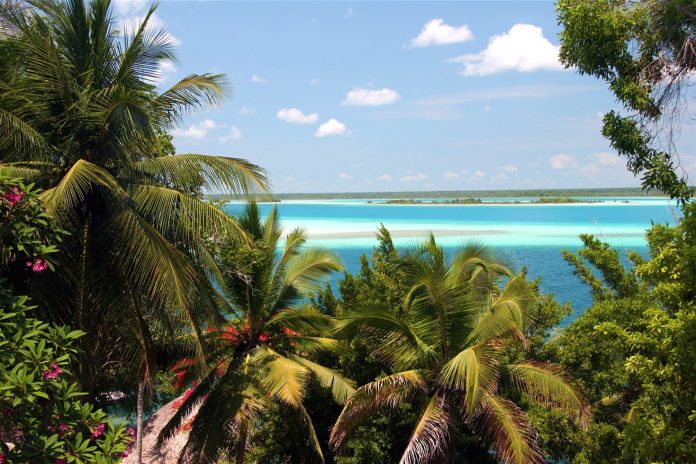
The view of a sparkling turquoise lake framed by lush tropical plants dotted with pink and red flowers in Laguna Bacalar an alternative Yucatan destination The Yucatan is filled with sublime spots to explore, why not get away from the crowds a little?

Fortunately, it’s a big peninsula, with many equally enticing but lesser traveled places that are begging discovery. So change it up. Bypass the most popular stops and discover what more the Yucatán has to offer at these alternative destinations.

Give Cancún a miss, go west to Mérida

For a city experience, bypass the built-up coastal resort of Cancún and head to the vibrant capital of the Yucatán state. Mérida is a gracious city of grand plazas and colonial architecture, world-class museums and pretty parks. The star attraction is the Gran Museo del Mundo Maya, the region’s premier venue for Maya history and culture, showcasing artifacts from nearby archeological sites.

A fountain in the middle of the city center near a main shopping street in Merida, an alternative destination in the Yucatan Mérida exudes charm, history and culture. A far cry from the thrum of Cancun’s over-touristed thoroughfares

Colonial culture is also on colorful display in Mérida, especially around the central Plaza Grande, where you can ogle impressive architecture like Casa de Montejo and Palacio de Gobierno. All this, and we haven’t even mentioned la cocina, surely one of the city’s main attractions. Sample fantastic Yucatecan cuisine at La Chaya Maya or Ku’uk; sip mezcal at Fundación Mezcalería; and congratulate yourself, because this is not what you would be doing in Cancún.

Take a break from Tulum, opt for artsy Valladolid

If you have your heart set on vacationing in a sophisticated, artsy town, replete with artisanal shops and boutique hotels, you might follow the crowds to Tulum. Or you might opt for Valladolid, a barely discovered, pastel-colored, colonial gem that is 60 miles inland.

A cobbled street lined with potted plants in Valladolid an alternative destination on the Yucatan Artsy Valladolid is a perfect place to admire the talents of Mexican artists © Tetra Images / Getty Images

Here, the magnificent Casa de los Venados houses the country’s largest private collection of Mexican folk art – more than three thousand pieces. Nearby, Calzada de Los Frailes stretches from the central Parque la Mestiza to the ruined Templo de San Bernardino. Along the way, the charming, walkable street is lined with upscale boutiques touting nature-inspired fragrances, handmade chocolates and haute fashions.

No need to forgo adventure in this artistic enclave. Just nine miles out of town, Chukum-Ha is a cenote (newly accessible in 2019) that is fitted out for rappelling, zip-lining and high-diving. The underground swimming hole is completely enclosed and scantly visited, so you can’t shake that feeling that this really is an entrance to the underworld.

Escape the Chichen Itzá crowds, explore in solitude at Ek’ Balam

Let’s face it: the magic of exploring an ancient archeological site is slightly diminished when you’re doing it with thousands of your closest friends. Chichen Itzá is a sight to see, for sure, but it’s worth seeking out lesser-known Maya ruins to contemplate the majesty and mystery of this legendary culture in more peaceful surroundings.

Stepped pyramids created by the Mayans stand out from the surrounding vegetation in Ek-Balam an alternative Yucatan destination Discover the magic of Mayan culture tucked deep into the Yucatecan jungle

The ruin of the 8th-century city at Ek’ Balam is a fantastic option, located in a lush jungle setting 18 miles north of Valladolid. A dozen or so structures include the centerpiece Acrópolis, where you can explore the chambers in the ‘gallery’ at the base of the pyramid, and climb to the top for endless views. (Needless to say, you can’t do that at Chichen Itzá!) Afterwards, you can take a pedicab to cool off in X’Canché Cenote, where you might have the crystal clear waters all to yourself.

Avoid overdeveloped Akumal, walk on the wild side in Sian Ka’an

The turtle nesting beach and fish-filled lagoon attract visitors to fashionable Akumal, but the crowds and construction are scaring off the sea creatures. For a truer nature experience, continue 50 miles south to the Reserva de la Biosfera Sian Ka’an, a one-thousand-square-mile reserve that is home to hundreds of species of fish and birds.

Aerial view of the Riviera Maya coastline in Sian Ka'an an alternative destination in the Yucatan The Sian Ka’an Nature Reserve has acres of natural wonders waiting to be appreciated

The best way to explore the reserve is by boat tour, where you might see dolphins, sea turtles and even crocodiles and manatees. The local Community Tours Sian Ka’an is a superb, sustainable choice. Most tours include swimming, snorkeling and picnics on deserted beaches. (In case you’re wondering, the beach in Akumal is never deserted).

Like Isla Mujeres? You’ll love Laguna Bacalar

Travelers flock to Isla Mujeres to escape the Cancún heat and to revel in the gorgeous, jewel-toned waters. She’s a beaut alright, but she’s so close to the city that she sometimes feels overrun by day trippers. Not so at Laguna Bacalar, a picturesque lake located 200 miles south.

A couple relaxes in a hammock under a palapa a the end of a dock over a clear turquoise lake in Laguna Bacalar an alternative destination in the Yucatan Enjoying the beauty of the Yucatán is quiet and calm in Laguna Bacalar

Look Beyond Ranikhet Hotels & Stay at These Cozy Homestays

0

Want to experience the divine beauty of Ranikhet? This time look beyond Ranikhet hotels and immerse yourself in the enthralling views of this Uttarakhand hill station by staying at cozy homestays. We recommend these homestays for travellers, willing to go an extra mile for an authentic travel experience. Charming, comfortable and private – these experiential stays will woo you to skip hotels and give them a shot!

Mistletoe Estate

ranikhet-hotels-mistletoe

Craving for a peaceful vibe away from the city? We hear you! Soak in the misty morning views of pristine hills by staying at Mistletoe Estate, a rustic farmhouse, located just 22 km away from Ranikhet. This farmhouse offers a tastefully done chalet, which is surrounded by a lush green cover of Oaks, Cedars, Rhododendrons, Cypress, and Pine trees. The serene location, refreshing views of the beautiful landscapes of Ranikhet and the whimsical décor theme, comprising of antique artifacts and paintings add character to this farmhouse. You can take a stroll to the orchards and the nearby village, enjoy stargazing at night, or just keep to yourself by reading a good book.

A stay at this place is the perfect getaway for couples and artistic souls, or anyone who’s interested in spending a private stay experience. If you book a bedroom set at this farmhouse, you can have this place all to yourself and enjoy the home-cooked meals prepared by the in-house chef.

Roseville Cottage

ranikhet-hotels-roseville

There’s nothing like experiencing the beauty of Ranikhet than by staying at a cozy cottage, tucked away from the crowded spots. And if your stay comes with a view of the mesmerizing mountains, it’s quite a bonus really! So, if you’re interested in staying at a cottage stay near Ranikhet, look no further than Roseville Cottages and consider yourself lucky if you manage to find an available room here. You’ll absolutely love the homely vibe here! Set in the beautiful village of Majkhali, which is 12 km away from Ranikhet, Roseville Cottages is surrounded by pine and deodhar trees and offers lovely rooms with attached balconies. On a clear day, you can even get a good view of the Trisul Mountain from this cottage and experience a divine sunset in the evenings.

Start off your day with a small trek around the village and get a peek into the local life. Live the good old slow life by spending leisurely mornings with a cup of chai or coffee and a book, you’ve been meaning to read for quite some time. If you’re a nature lover, delight yourself by listening to the soothing chirping of birds. There’s also a cook and a caretaker at the property to make your stay comfortable.

Roseville Cottages is a great choice for travellers who are interested in an experiential stay rather than the usual Ranikhet hotels. This cottage is well-suited for those travelling with family or small groups. But even if you’re a solo traveller who’s looking for a break from routine life, we highly recommend a stay at Roseville Cottages. You can enjoy a continental breakfast and Indian cuisine here. There are great options for vegetarian folks as well!

Nayalap

How about experiencing the natural beauty of Ranikhet with a dash of luxury? Say hello to glamping in Nayalap!

ranikhet-hotels-nayalap

Nestled in Shitlakhet, Nayalap offers luxury tent accommodation with ample space and cozy interiors. The tents are well spaced out from each other in such a way that you can enjoy your privacy. With its fantastic location, Nayalap offers excellent views of the Trisul, Nanda Devi and Nandakot peaks. If you’re a couple or a solo traveller, who’s interested in staying in the lap of nature, Nayalap is just the place for you. The tents are surrounded by pine forests, which gives you that perfect ‘closer to nature’ experience. Although you can’t expect a TV or Wi-Fi here, you’ll be impressed with the host of facilities available in the tents.

As far as food options go, enjoy home-cooked meals from the Indian cuisine during your stay. If you like Pahari dishes, make sure you try their Kumaoni preparations. To get a true sense of the local life, make sure you venture out to the nearby areas and check out the local farms. It’s the perfect way to acquaint yourself with the locals and interact with them.

Camp Bliss

ranikhet-hotels-camp-bliss

Fancy a colonial touch in your stay? Check out Camp Bliss, your not-so-usual kind of accommodation in the hills of Ranikhet! Nestled at a height of 1830 meters in the Kumaon region of Uttarakhand, Camp Bliss features luxury Swiss tents and Colonial rooms. Spread across a sprawling seven acres of land, this place is surrounded by riveting landscapes and nature trails waiting to be explored. Camp Bliss is located near the cantonment area so the surrounds are well-maintained with good roads. While the camps offer that earthy experience of soaking in the wilderness of the hills, a stay at the Colonial Cottages will remind you of the old world charm of Colonial times. This stay is ideal for group travellers and couples.

Vue Sur La Montagne Chalet

ranikhet-hotels-vue-montagne

Want a mountain home all to yourself? Look forward to a delightful stay at this French architecture inspired mountain-view chalet in Majkhali. The property is structured on two levels with spacious bedrooms, a living room, and a kitchenette. You’ll fall in love with the beautiful interiors, featuring a decorative fireplace. While there are 2 bedrooms and 2 bathrooms on the lower level, there is 1 bedroom with a balcony on the upper level of the chalet. There’s a huge bay window in every room that makes for a great view of the mountains and valley.

Soak in the scenic views the Someshwar valley, well-maintained lawns, and the Himalayan peaks from the charming patio of this mountain home. If you’re travelling to Ranikhet, somewhere around September to February, you can enjoy the best views from the upper deck. In the evenings, you can request for a barbeque outside and enjoy the lovely weather.

Why You Should Visit the Rann of Kutch During the Rann Utsav

0

The Rann of Kutch, a unique region in Gujarat, is one of the largest salt deserts in the world. This remarkable place with its surreal landscapes is a photographer’s delight, and has in the recent years grown popular as a destination for offbeat travel. If you want to know the best time to visit the Rann of Kutch, read on to learn why you should visit the Rann during the Rann Utsav, the great Rann Festival held annually.

enjoy-camel-cart-ride-at-rann-of-kutch

Reasons to visit the Rann of Kutch during the Rann Utsav

  • Weather: The Rann Utsav takes place during the winter months, from October to February. This is really the best time to visit the Rann of Kutch, when the weather is pleasant and perfect for sightseeing.
  • Accommodation: If you visit the Rann of Kutch during the Rann Utsav, you will have access to the best options for stays really close to the White Salt Desert. These include places like the luxury White Rann Resort, offering air-conditioned tents and mud bhungas with all the expected modern conveniences, which are set up especially for the Rann Utsav. If you prefer greater comfort in your choice of accommodation, then the Rann Utsav is definitely the best time to visit the Rann of Kutch!
  • Sightseeing: Rann Utsav packages come with many included and optional sightseeing tours of other interesting places nearby such as Bhuj, Dhordo, Mandavi Beach, and Dholavira etc. This allows the interested traveller to experience other places in Gujarat apart from the Rann of Kutch, in the same trip.
  • Shopping: The Rann of Kutch is known for its colourful crafts and intricate artwork, and the Rann Festival is a celebration of all things Kutchi. No wonder therefore, that visitors to the Rann Utsav get multiple opportunities to explore the stalls set up by local craftsmen and artisans and take back beautiful artwork as souvenirs.

Read More: Rann Utsav: Experience Gujarat’s Unique Rann Festival

colours-of-runn-of-kutch

  • Cultural immersion: The Rann festival includes daily cultural and musical performances, which allow the visitor to really get a deeper idea of what this spectacular region and its culture are all about. This is another reason why the annual Rann Utsav would be the best time to visit the Rann of Kutch, especially if you wish to bring your family with you.
  • Full Moon dates: The White Rann looks particularly ethereal during the night of the Full Moon. The best way to get a glimpse of the Rann during the Full Moon period, is to plan your stay at the Rann Utsav during these dates. Imagine being able to look out over a literal sea of gleaming white salt desert, under a full moon that shines as brightly as the sun! Some things in life are worth seeing in person.

sunset-at-rann-of-kutch

  • Adventure: For the rest of the year, the Rann of Kutch remains largely unvisited, and known for its animal and bird life. However, during the Rann Utsav, you can get to enjoy a variety of specially organized adventure activities here, such as Para motoring, parasailing, Segway rides, ATV rides, camel cart rides, etc.

In addition to the above, MakeMyTrip’s Rann Utsav packages offer many advantages to visitors wanting to visit the Rann of Kutch, such as comfortable accommodation, the option of adding private transfers and flights, and an exclusive candid photoshoot at the Great Rann!

No wonder, then, that the Rann Utsav period tends to be the best time to visit the Rann of Kutch for most travellers!

Read More: The 10 Secrets of Kutch

Plan your visit to the Rann of Kutch now with these Rann Utsav packages.

Find out Where Your Favourite Bollywood Stars Went for Their Honeymoon!

0

Bollywood stars do everything with style and flamboyance, often giving us inspiration to do something dreamy and grand as well. Everything about our movie stars intrigues us – from personal style to their favourite vacation spots around the world. And when it come to their honeymoon destinations, they leave us sighing with their choice of posh and exotic locations. So, if you’re looking for some honeymoon ideas to inspire you, take a cue from our Bollywood stars.

1. Kareena Kapoor Khan and Saif Ali Khan: Gstaad (Switzerland)

Gstaad(Switzerland)
Gstaad(Switzerland)

Trust Bollywood’s royal couple to pick a honeymoon destination that’s unique and absolutely gorgeous. Situated in the Swiss Alps, Gstaad is home to one of the largest ski areas in the region. The village has seen many famous guests like Madonna, Prince Charles and Princess Diana, before our beloved Saifeena landed there. Lots of skiing and snuggling time is guaranteed in Gstaad, along with breathtaking views all around.

2. Kiran Rao and Aamir Khan: Panchgani

The perfectionist and his talented wife decided to head to Panchgani because Incredible India is something that you can never get enough of! Situated in the Satara district of Maharashtra, Panchgani is a quaint hill station that literally means ‘five hills’. This is a scenic honeymoon destination that boasts of lush mountains at one side, and coastal plains on the other.

3. Mira Rajput and Shahid Kapoor: London

London
London

London was the honeymoon pick for the adorable couple Mira Rajput and Shahid Kapoor. Pick a romantic stroll along the River Thames, or spend some time in one of the many luxury cocktail lounges in Mayfair – London clearly has a lot to offer to honeymooners.  We bet the couple enjoyed their romantic walks in Hyde Park!

4. Avantika Malik and Imran Khan: Thailand

A lot of couples agree that Thailand is one of the best honeymoon destinations for couples from India, because of the proximity and the undeniable appeal. Honeymooners often pick Krabi or Phuket for their romantic time together, and Avantika and Imran did the same. They had a wonderful time in Phuket, and from what the pictures tell us, they had a rollicking time!

5. Aishwarya Rai Bachchan and Abhishek Bachchan: Europe

Europe
Europe

Let us all agree that Europe is probably one of the best honeymoon destinations of our times. The beauty queen and junior Bacchan decided to explore Europe on their honeymoon, and spent some quality time in New Zealand. Europe has many destinations that are fit to film for a grand Bollywood movie –Spain, Tuscany, Venice and Santorini, to name a few. Bet that got you swooning already!

6. Genelia D’Souza and Riteish Deshmukh: Vizag

Vizag is an achingly beautiful Indian city that sits amidst the mountain ranges of the Eastern Ghats and the coast of Bay of Bengal. Visakhapatnam, the original name of Vizag, is the headquarters of the Eastern Naval Command, and this is where Genelia and Riteish honeymooned. A strong Buddhist spiritual centre in the past, Vizag has a lot to offer for new couples, including Borra Caves and Kondakarla Ava beach.

7. Vidya Balan and Siddharth Roy Kapur: Caribbean Islands

Caribbean Islands
Caribbean Islands

Vidhya and Siddharth spent their honeymoon at one of the Caribbean Islands and we bet this powerful Bollywood star couple had a fabulous time. The 32-plus island nations of the Caribbean are like a dream sequence from a romantic Bollywood movie, with pristine white sand beaches, rich culture and delicious food. From Jamaica to Aruba, each of these islands has something unique, thrilling and of course, romantic to offer.

8. Lara Dutta and Mahesh Bhupathi: Bali

Lara and Mahesh went to Bali for their honeymoon and we couldn’t agree more with their choice. Bali is all about scenic beauty, rich culture, lovely people and out-of-the-world cuisine. Moreover,  the beaches,  surfing and diving make it a perfect honeymoon destination for couples who like to mix a little adventure with romance.

9. Shilpa Shetty and Raj Kundra: Bahamas

Bahamas
Bahamas

Bahamas! Just the name conjures up breathtaking images of shipwreck-filled dive sites and the ocean in magical shades of bright blue and green. It is said that Raj booked the best luxury resort in the Bahamas for the couple and they had a picture-perfect honeymoon. From sailing the clear waters to long walks along the white-sand beach, Bahama is a favourite vacation spot among celebrities for very good reason.

10. Gauri Khan and Shah Rukh Khan: Paris

We’ve kept the best for the last! The Badshah of Indian cinema and his queen reportedly went for a belated honeymoon at one of the most romantic honeymoon destinations of the world – Paris. It is called the City of Love for a reason, and few things make more sense than India’s King of Romance honeymooning there.

We hope the honeymoon destinations of your favourite Bollywood stars will inspire you to go on an equally special and romantic honeymoon yourself. Start planning now!

How to book a trip to Bhutan: everything you need to know

0

Bhutan has a reputation as an exclusive, remote destination that only opens up its doors to a lucky, well-heeled few. Because of its unique tourist rules, arranging a trip to Bhutan entails jumping through a few hoops. If you do decide to take the plunge, this is your how-to guide.

Bhutan’s tourism mantra is ‘high value, low impact’ and its aim is simple: to maximize the financial benefits of tourism, while minimizing its environmental and cultural impact. It’s a perfect example of the country’s guiding policy of ‘Gross National Happiness’

What this means for foreign tourists is you will have to pay a minimum of US$250 per day for an organized trip in order to get a visa. Console yourself with the knowledge that $65 of this amount goes to the government as a Sustainable Development Fee to be spent on free education and healthcare for Bhutan’s citizens.

But beyond this daily tariff, things are pretty flexible. You don’t need to visit in a group (the most common ‘group’ size is two people) and there is no limit on visitor numbers, which have surged in recent years to 270,000 per year.

The main exception to the tariff rule is Indian tourists, who face no daily minimum rate. With Indian tourists now dwarfing any other nationality by a factor of almost 20, it’s becoming increasingly hard for Bhutan to justify its tariff system.

Landscape of green rice terraces in a fertile valley with Chimi Lhakhang Temple in the middle A huge chunk of Bhutan’s tourism money goes on sustainable development

Before you start planning

In order to qualify for a visa you must arrange your travels through a registered Bhutanese travel agent. There are dozens of these listed on the website of the Tourism Council of Bhutan. You must travel on a pre-agreed itinerary, with a guide. It is absolutely possible to visit monasteries or temples not listed on your initial itinerary but your overnight stops and entry and exit dates have to be fixed at this point.

How much does a trip to Bhutan cost?

Regardless of whether you are on a tour or a trek, the cost of your trip to Bhutan is fixed by the government as a daily tariff of US$250 per person per night’s stay in the high and shoulder seasons. This rate drops to $200 in the low winter season (December to February) and the monsoon months (June to August). Groups of one/two people pay an additional surcharge of $40/30 per person. Children up to five years old travel free, while those aged six to 12 years pay only 50% of the daily tariff. Unless you are a resident of Bhutan or an accredited travel agency, there’s no way around this. Because of the fixed daily tariff, there’s little difference in price between agencies.

A fortress with while walls and red and yellow roofs overlook a river in the summer with green hills behind it. Punakha Dzong a fortress of Bhutan

The costs seem steep at first, but when you factor in what that gets you – three-star accommodation, food, private transport (not flights), guides, entry fees, permits, a fully organised trek etc – it’s actually not a bad deal.

Plan Your Itinerary

Although you have to arrange your trip through an agency, you are totally free to customise your holiday. Most people use an agency’s itinerary as a starting point and then modify it to their interests. To help, here’s your guide to arranging a Bhutan itinerary. It’s always worth throwing in a couple of lesser-visited temples and day hikes to get you off the tourist circuit. Try also to arrange your itinerary around one of Bhutan’s fabulous festivals.

A Lonely Planet map of Bhutan showing major towns, villages, mountains and wildlife sanctuaries. Map of Bhutan

As you hammer out things to do in Bhutan, this is the time to mention any extras, such as a hot-stone bath, a homestay or a day’s mountain biking, to determine if any extra fee is involved. Normally your agency chooses your accommodation for you, but if you have a particular place in mind you can request this, as long as it falls into the three-star tourist category. For luxury hotels you’ll have to pay a supplement.

If you are flying into Bhutan (most commonly from Delhi, Bangkok or Kathmandu) your agency will offer to buy your ticket for you, which is convenient, though you can also buy tickets online through the website of the national airline Druk Air.

Paying for your tour

Once you’ve agreed your itinerary and the price, the next step is to make the payment and this is the most logistically tricky part of the tour process. Your agency will send bank details and you will have to wire the full amount to them, via an account at the Bank of Bhutan. You will have to patiently explain to your local bank that the wire is going to a Bhutan National Bank (BNB) account, but routing via a Standard Chartered Bank account. The ‘beneficiary account’ is your agency’s account inside the Bhutan National Bank account. If you are lucky this will only involve one visit to your bank; be prepared to explain what ‘Bhutan’ is.

Monks in red robes line up on the left side watching men in colourful suits leap in the air as part of the dance. Monks prepare for a traditional dance at a Buddhist festival in honour of Guru Rinpoche

The main advantage of booking through a foreign tour company is that you don’t have to mess about with this international transfer, though you will ultimately pay more this way.

Getting a Bhutan Visa

Once the wire has gone through, your agency will confirm the arrival of funds and will apply for your visa, so you will need to fill out a form and send a digital photograph and scan of your passport photo page. Getting a visa is just a formality and the agency will email you a copy of your visa authorisation after a few days. The visa costs US$40 and will have been included in your tour price.

It’s important to print out a copy of your visa, as you will need it to check in to your flight to Paro. On arrival at Paro airport, or the land border with India, you simply present this visa authorisation and the immigration stamps the visa into your passport. It’s actually a very easy and straightforward process.

Tachog Lhakhang Iron Chain Bridge with colourful prayer flags on each side of bridge When you finally step foot in Bhutan, the hours of admin will be instantly forgotten

In general, try to budget at least a month to pin down your itinerary, make the payment and get your visa approval. If you are visiting in the high season months of October, November, March and April you will want to book your flights further in advance.

Where to go in October for wildlife and nature

0

Wondering where’s best to experience wildlife and nature in October? Why not explore China’s lost-in-time landscapes and Utah’s giant outdoor playgrounds, track polar bears through the tundra in Manitoba, Canada, or bear witness to the migration in Tanzania, one of the most incredible wildlife displays on the planet?

Prepare to retrieve your jaw from the floor on these four wild and wonderful trips.

Here and now: Moab, Utah


Visit Moab for all-out action in wildest Utah

Couch potatoes, take note: Moab is not for you. The main reason to come to this little Utah town (especially in pleasantly mild October) is to leave it – by bike, boot, raft, 4WD or whatever else takes your fancy. First established by Mormon pioneers in the 1850s, Moab is now adventure HQ for a whole lot of world-class wilderness. The town itself is likeable and lively if aesthetically unlovely, but the area around it is lovely indeed.

The outdoor playgrounds of Arches and Canyonlands national parks are right on the doorstep: the former is an untouched immensity of crimson sandstone, artfully carved by Mother Nature; the latter a crumple of chasms, cracks, buttes and plateaus. Both are jaw-dropping. The Moab area is also home to countless mountain-bike trails, not least the Slickrock, a tough, twisty 9-mile (15km) loop across the Sand Flats’ Navajo sandstone. Prefer water? Rafting trips along the Colorado River run April to October.

  • Trip plan: Spend four or five action-packed days, mixing up hikes, bikes and more.
  • Need to know: Salt Lake City to Moab is a four-hour drive.
  • Other months: Apr–May & Sep–Oct: mild; Jun–Aug: hot; Nov–Mar: cool/cold.

A tundra buggy, with giant thick wheels to help it navigate the icy tundra, is in the distance. Two polar bears are in the foreground, with another beyond the buggy A tundra tour gets up close to a family of polar bears in Manitoba

Spot polar bears in Manitoba, Canada

With temperatures averaging -2°C (28°F), there needs to be a very good reason to brave the remote Manitoba outpost of Churchill in October. And there is – about 900 of them. Churchill is the self-proclaimed ‘Polar Bear Capital of the World’, with almost 1000 of the magnificent mammals living in the area.

In October and November, the bears move from their summer home on the tundra to their seal-hunting grounds on Hudson Bay, passing near Churchill in the process. Tours leave town in tundra buggies, fat-wheeled trucks that enable super-close safe encounters. It’s also possible to stay at remote, fly-in lodges to track the bears on foot – with an expert armed guide. Arctic fox, ptarmigan and caribou might also be spotted. October’s dark skies at this northerly latitude make aurora sightings a possibility too.

  • Trip plan: October trips to Churchill must be booked well in advance. Allow a week, to include buggy tours and other activities.
  • Need to know: Trains (45 hours) and planes (four hours) connect Winnipeg, Manitoba’s capital, and northern outpost Churchill.
  • Other months: Apr–May: cold; Jun–Sep: warmest, belugas, birds; Oct–Nov: cold, polar bears; Dec–Mar: very cold, aurora, dog-sledding.

Two boats on the Li River, Guilin, with a large rocky feature looming over the river A bamboo boat cruises down the Li River in Guilin against a backdrop of karst mountains

Visit two picture-perfect provinces in southwest China in perfect climes

Guangxi and Yunnan are China at its most poetic. The rice terraces, karst hills, plunging gorges and snowy peaks of these diverse southwest provinces evoke an ancient land far removed from the nation’s forward-thrusting cities. October, with its mild, dry weather and golden colours is a particularly good time to get out into the countryside here, which ranges from the mountainous Tibetan Plateau to tropical lowlands where colourful minority cultures thrive.

Guilin is at the heart of Guangxi’s karst country, and is the place to arrange scenic cruises down the Li River to laid-back Yangshuo and visits to the Miao, Yao, Dong and Zhuang villages around Longsheng. In Yunnan, find heat, jungle hikes and a more southeast Asian vibe in the Xishuangbanna region, or head north for Lijiang’s cobbled alleys, treks along the sheer sides of Tiger Leaping Gorge and the utopian snowcapped highs around Zhongdian, officially renamed Shangri-La.

  • Trip plan: Allow two to four weeks to visit both Yunnan and Guangxi, or focus on one. Handy trains and flights link Guilin, Kunming (Yunnan’s capital) and Lijiang.
  • Need to know: There is a national holiday 1–7 Oct – transport/sites will be heaving. Avoid if possible.
  • Other months: Apr–Sep: hot, humid (Jul–Sep: typhoons); Oct–Nov: warm, dry; Dec–Mar: cooler, cold at altitude.

Two zebras walk through water in the foreground. A host of flamingos can be seen in a lake in the distance. Spot a vast array of wildlife in the beautiful Ngorongoro Crater

Incredible wildlife is at its greatest in northern Tanzania

Safaris don’t get more superabundant than this. The amount of wildlife that flows around Tanzania’s ‘northern circuit’ is bewildering: wildebeest and zebra herds numbering in the millions, hundreds of thousands of assorted antelopes, and healthy numbers of predators waiting to pick them all off… The end of the dry season, when the plains are unobstructed by vegetation, is when animals are easiest to see. Also, the skies are clear and immense.

By October, the herds of the Great Migration are usually grazing in the Serengeti’s far north. Ngorongoro Crater, a big, beautiful bowl of wildlife, is also ideal – animals are visible, and it’s a little less busy than July to September. Complement these with Lake Manyara (where, if you’re incredibly lucky, you might spot tree-climbing lions) and lesser-visited Tarangire National Park, where wildlife clusters at the riverine swamps.

  • Trip plan: From Kilimanjaro Airport, make a northern circuit. Highlights include panoramic camps on the lip of Ngorongoro and seeking out parts of the Serengeti where walking safaris are permitted (in many areas, they’re not). Allow 10 to 14 days.
  • Need to know: The Great Migration isn’t an exact science; herd movements vary year to year.
  • Other months: Jan–Feb: dry; Mar–May: long rains; Jun–Oct: dry; Nov–Dec: lighter rains.

Looking for more inspiration? Check out our book Where To Go When for 360 ultimate escapes from family-friendly adventures to animal encounters and relaxing retreats.


The world’s most unusual sports and where to see them

0

Never underestimate humanity’s ability to turn the mad or the mundane into a competitive sport. In our pursuit of amusement, we have brought some wonderfully weird sports to the fore, which not only offer an insight into the psyche of nations, but also provide travellers with a unique opportunity to meet eccentric – and passionate – locals.

So switch up that afternoon at the football or evening hockey game for something a little more…unique, and grab tickets to one of these unusual spectator sports from around the world.

Competitors racing on small modified, ride-on lawnmowers. Racers wear colourful outfits and helmets. The competitive sport of lawn mower racing was dreamt up in an English pub © Ben Birchall –

1. Lawnmower racing, UK

Like all the best ideas, lawnmower racing entered the world via a pub. It was 1973 and Jackie Stewart was winning his third Formula One title while a group of wannabe racers from West Sussex dreamed of making motorsport – historically the preserve of the wealthy – more accessible to the masses.

Over a few pints they came up with lawnmower racing, which now has its own governing body – the British Lawn Mower Racing Association (BLRA) – and a 30-race championship that runs from May to October. Most races are part of larger rural events, such as Cranleigh Show in Surrey, where spectators can experience other eccentric pursuits such as ferret racing. The BLRA remains defiantly uncommercial and donates all profits to charity. It also advises spectators to bring packed lunches with them to races.

2. Sheep shearing, New Zealand

Competitive sheep shearing? Ewe better believe it. In fact, it’s kind of a big deal in New Zealand, which proudly host the annual Golden Shears International Championships; a lanolin-infused jamboree touted as ‘the Wimbledon of sheep shearing’.

Held in the town of Masterton every March, the four-day event seeks to identify the world’s fastest sheep shearer, with spectators merrily fleecing themselves out of a few dollars as they bet on the outcome. The event provides an illuminating insight into local life, but it’s not all about shearing; live bands bring a party vibe to proceedings and there’s much food and drink to be enjoyed. Can’t make the Masterton event? Fear not, shearing competitions are also held in Europe, Australia and the US.

Taisto Miettinen carries his partner Kristiina Haapanen, during the Wife Carrying World Championship competition in Sonkajarvi. Kristiina is positioned upside down on Taisto's back, with her thighs around his neck. The pair are mid-jump, hovering above a pool of water. A large crowd watches on. Wife carrying sees pairs of competitors racing to complete an obstacle course in the quickest time © AFP / Getty Images

3. Wife carrying, Finland

Legend has it this curious sport is a nod to the ancient custom of wife stealing, whereby gangs of Finnish robbers supposedly raided villages and made off with other men’s wives.

Mercifully, this nefarious activity has been confined to the pages of folk tales. But in an amusing subversion of this fabled criminal act, wife carrying continues, albeit with consenting females, who acrobatically cling to male counterparts as they navigate an assault course – climbing over large wooden obstacles and plunging headlong into cold-water pools in the process. The quickest pair win the wife’s weight in beer. As you might expect, much lager is consumed on the sidelines too, particularly in Sonkajärvi, Finland, which hosts the original Wife Carrying Championships in July. Competitions also take place in Australia, Estonia, Hong Kong, the US and UK. And before you ask, no, the participating couples don’t actually have to be married.

4. Lucha libre, Mexico

Part sport, part amateur dramatics, lucha libra is a form of freestyle wrestling with a devoted fan base in its native Mexico. Competitors are renowned for their elaborate masks, which keep their identities a secret. That’s until they are defeated in a high-stakes fight, which often require losers to reveal their faces (other ignominious forfeits include having their heads shaved).

It certainly makes for compelling viewing, and the tequila-charged atmosphere adds to the sense of occasion. Don’t forget to bring some loose change: when spectators are impressed by a victorious wrestler, they throw money at them. The coins are then collected by the wrestler and stored in a commemorative vase to remind them of the victory.

Iran's players tackle India's Randeep Kaur Khehra during the women's team kabaddi finals. The Indian player is stretching for the mid way line but is being restrained by the Iran team. Kabaddi is played competitively by both men and women

5. Kabaddi, India

A variation of a game most of us played in the schoolyard, kabaddi is a lot like tag, only with a rulebook and scoring system that could reduce a child to tears. In essence: two teams of seven players face off on a rectangular arena. One player from the offensive team, the ‘raider’, crosses the mid line in the centre of the play area and attempts to tag as many opposition players as possible. If the raider makes it back to their team’s side, that team scores a point for every opposition player tagged. However, the other team are able to physically restrain the player from making it back, in which case the team scores nothing. An additional point is awarded if the raider steps over the ‘bonus line’. Also, this must all be done on a single breath. Simple enough, right?

Though considered a national sport in Bangladesh, it is India that has perhaps the most competitive league. Dubbed the Pro Kabaddi, it unfolds dramatically in stadiums across the country, where players twist, kick, duck and dive around the arena, cheered on by huge, vociferous crowds spilling from the grandstands.

6. Call of Duty Championship, US

It was once something you begrudgingly did while waiting for your turn on Mario Kart, but now watching other people play computer games is a bona fide spectator sport, with e-sport events now taking place all over the world (and also streaming to huge audiences online).

It’s particularly popular in the US, where fans pay upwards of $50 to watch pro pad-bashing players battle it out in the biggest shoot-‘em-up of all: Call of Duty. The first-person shooter series, which has been a firm favourite with gamers for over a decade, has its own World League Championship. Held in August, the tournament’s winning team nets a cool $2 million. In terms of the spectator experience, expect a largely male and millennial crowd, who typically sit in neat rows, clutching beers and watching the drama unfold on huge screens. And just think, your parents told you playing video games would get you nowhere in life…

Karl Ouch and Ion Citu play a round of chess during their bout at Scala, London. The two men sit opposite each other in the centre of the ring with a small green table between them, on which a chess board is placed. Both competitors are dressed in boxing shorts and wear headphones. A large crowd is visible surrounding the ring. Chess boxing: a sport that tests both the mind and body

7. Chess boxing, worldwide

Brains and brawn combine in this thinking person’s combat sport, which brings together the unlikely bedfellows of boxing and chess. Matches unfold over 11 rounds – six chess, five boxing – and competitors (or ‘nerdletes’, as the nerdy athletes are known) must either KO their opponents in the ring or outwit them on the chessboard.

The sport is popular in India (the believed birthplace of chess), where it is reported to have lifted some professional competitors out of poverty. However, perhaps the best place to watch a match is in London, where spectators can enjoy the all-out action of a big fight mixed with the quiet suspense of a chess match (plus a series of weird and wonderful ringside performances between bouts) that culminates in one of the Big Smoke’s most memorable nights out. Fights are organised by London Chess Boxing and take place throughout the year. There’s also the hotly-anticipated World Amateur Championships, which take place in December, and in 2019 will be held in Turkey.

What you need to know about smoking weed legally in Jamaica

0

More than 40 years after reggae legend Peter Tosh sang ‘Legalize It’, Jamaica is finally recognizing the economic potential of its homegrown industry. Licensed medical dispensaries are popping up all over the island, but with the government opting for the decriminalization of ganja rather than full legalization, many questions remain. Here’s what you need to know about smoking weed legally in Jamaica.

Clearing the air

For many tourists, marijuana has long been an important if unspoken part of the Jamaica experience. Known universally in the country as ganja (or herb to Rastafari adherents), marijuana can seem as Jamaican as Bob Marley or Usain Bolt. Touts whisper in the ears of tourists straight off the cruise ship to offer them a smoke, while vendors openly sell pre-rolled spliffs at dancehall street parties in downtown Kingston.

Until recently, possession of even small amounts of ganja could land visitors in jail. But a wholesale revision of drugs laws has seen all that change. Jamaica has decided that ganja is very much part of the country’s brand and the potential tax revenues from a home-grown industry aren’t something to be passed up.

In 2015, the Jamaican government passed a series of important amendments to the Dangerous Drugs Act, decriminalizing ganja and introducing licenses for its cultivation and sale. But decriminalization isn’t quite the same as full legalization, so what are the implications for visitors to Jamaica?

Know the law

Since 2015, possession of up to two ounces (57g) of ganja is no longer a criminal offense. Carrying this amount in public can still attract a fixed penalty fine similar to a parking ticket, of J$500 (around US$3), but no criminal record will result. People under the age of 18 caught in possession may also be referred to the National Council on Drug Abuse for counseling. Possession of larger amounts remains a criminal offense.

The possession fine does not apply to medical marijuana, including products purchased at a licensed dispensary. Possession of up to two ounces of weed by visitors for medical purposes is legal. Possession is also legal for sacramental purposes for followers of Rastafari.

Smoking ganja in a public place is prohibited, as it is with cigarettes, with a fixed fine of J$500. It is legal to smoke in licensed dispensaries, but smoking in private residences is no longer an offense.

You might also like

  • How to smoke weed in Canada

Dr. Machel A. Emanuel analyses cannabis plants at the University of the West Indies Mona campus in Kingston; smoking weed Jamaica The number of medical marijuana dispensaries is growing in Jamaica

Medical marijuana dispensaries

Jamaica’s revised drug laws have allowed the creation of medical marijuana dispensaries, the first of which opened in 2018. Equal parts doctor’s clinic, Amsterdam-style coffee shop and hipster boutique, these are currently the only places where travelers to Jamaica can legally buy cannabis products.

At the time of writing, there are four dispensaries in Jamaica – Island Strains in Montego Bay, Epican in Kingston and Kaya in both Falmouth and St Ann’s Bay. To buy products, ID such as a passport or driving license is required (over 18 only), as well as proof of your medical need to buy ganja. This can take the form of a doctor’s prescription from home or a consultation with an on-site medic, although some dispensaries currently allow self-certification by the completion of a medical form.

A variety of products are offered, including marijuana buds, oil extracts and cartridges for vaping. The new dispensaries take ganja cultivation as seriously as wineries do their terroir. Nearly two dozen distinct Jamaican-grown Sativa, Indica and hybrid strains of the herb are grown on their own plantations for therapeutic and medicinal purposes.

The knowledgeable staff can talk you through their properties and relative concentrations of THC and CBD, the active ingredients in marijuana.

Don’t expect a cloud of smoke when you enter a dispensary – in-house smoking rooms are discreetly tucked away from the main consultation and purchase areas. Most also run their own cafes and juice bars, offering completely ganja-free refreshments.

Due to wider international restrictions on access to banking networks, businesses are cash-only – a reminder of the still-evolving legal situation in Jamaica and beyond.

A man wearing a blue shirt holds a handful of ganja behind his back; smoking weed jamaica Be mindful of what you smoke in Jamaica, as some strains can be very potent © Peeterv / Getty Images

Dangers

At a dispensary, discuss with the staff your requirements as well as your previous experiences. Some strains are notoriously strong, particularly when taken through a traditional Jamaican steam chalice.

Outside the dispensaries, unlicensed vendors are taking advantage of the new permissiveness of the ganja laws, and it’s not unusual to see space cakes or similar edible items openly for sale in cafes or infused in butter in your lobster meal. Be careful, the strengths can vary widely.

Caution is also required if offered ganja plantation tours. Currently, these remain unlicensed and therefore illegal.


When leaving Jamaica it’s important to remember that it is strictly illegal to take any medical ganja product with you. Stick instead to the customs-friendly THC- and CBD-free hemp products sold at the dispensaries.