Tourists in Rome are no longer permitted to sit on the Spanish Steps, the iconic staircase that links the Piazza di Spagna to the Piazza Trinità dei Monti.
Tourists are now banned from sitting on the Spanish Steps in Rome, Italy. Image by Maksim Ozerov/Getty Images
The Spanish Steps is one of Rome’s most precious landmarks and one of the most photographed attractions in Italy. Built between 1723 and 1726, the 135-step, white marble staircase has been the backdrop to fashion shows, photoshoots and has featured in iconic films like 1953’s Roman Holiday, starring Gregory Peck and Audrey Hepburn.
It’s also a place where tourists grab their bearings, study maps, eat gelato or listen to music from street performers below. As such, it has become less of a stairway and more of a congregation point. Over the years, Roman officials have tried to discourage people from sitting there for too long by banning snacking or loitering but the rules haven’t been strictly enforced until now.
High-angle view of a crowd gathered on the Spanish Steps. Image by Getty
On Tuesday, the AFP reported that police ordered people from the steps by blowing whistles to catch their attention and move them along. The action follows new rules issued this summer that bans all “camping out” or “sitting” on historic monuments, including the Spanish Steps. The rules also prohibit people from taking wheeled suitcases or pushchairs up the sweeping UNESCO monument. Those who break the rules could face a fine of up to €400 ($447).
In 2016, the Spanish Steps underwent a €1.5 ($1.7) million restoration, funded by luxury Italian jewellery brand, Bulgari. The project involved more than 80 restorers and master craftspeople who cleaned and repaired the monument after it had become damaged from years of wear and tear. It had suffered some abuse from loiterers and was covered in discarded chewing gum, cigarette butts and coffee and red wine stains.
You could face a fine for eating on the streets of Florence. Image: Kathrin Ziegler
Rome’s new tourist rules, known as Daspos, are aimed at preserving the character of the city by encouraging visitors to respect their surroundings. The Daspos have been introduced in cities like Florence and Venice and prevent other disruptive behaviours like wading through fountains, eating or drinking or climbing on monuments and walking through cities partially clothed. Last month, two German visitors were fined €950 ($1058) for making coffee on the Rialto bridge in Venice and were asked to leave the city.
In the first of a series of posts documenting his attendance of the Hajj in 2019, Lonely Planet writer Tharik Hussain documents his experience from the initial invitation and his feelings about it, to the experience of the Hajj itself and how he finds returning to his home in the UK afterwards. Read on for a unique insight into one of the most famous pilgrimages in the world that unites Muslims of every ethnic group, social status and culture in Mecca annually.
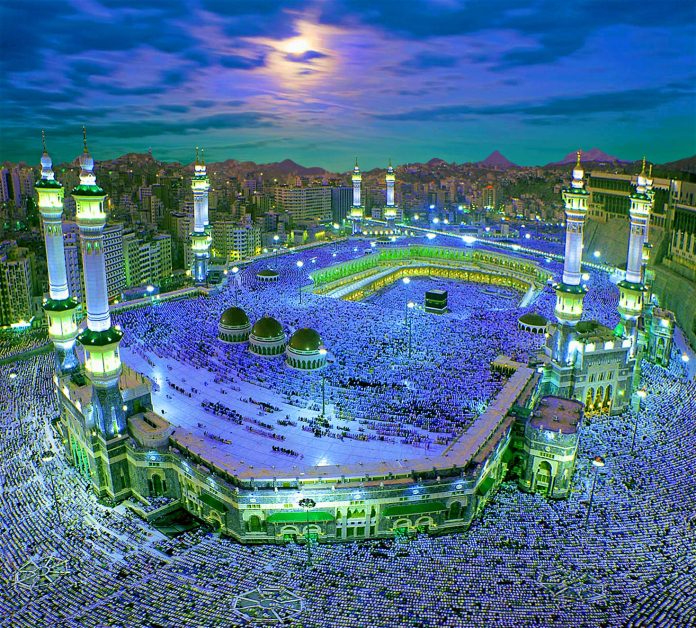
The Great Mosque of Mecca welcomes millions of Muslims from all over the world annually
Hajj diaries: the invitation
One of the earliest Hajj narrators, Naser-e Khosraw, was inspired to go on the pilgrimage in the 11th century after a mystical visitor pointed towards Mecca in a dream. The great 14th-century traveller, Ibn Battuta, had a burning desire to see the famous sanctuaries he had heard so much of. Even the non-Muslim ‘Hajji’, Sir Richard Burton, was motivated to immerse himself in one of the great religious rituals of humanity, and Malcolm X saw the Hajj as confirmation of his transition from a follower of the Nation of Islam to a Muslim. The Hajj is a duty that every Muslim is meant to look forward to, yet when my invitation to perform the Hajj came, I felt none of this.
Muslims believe you do not go on the Hajj, but are invited. Performed once a year on specific days, there have only been 1430 opportunities to do the Hajj since it was prescribed as an Islamic duty. That’s a pretty exclusive club to join. And still, when my invitation came, I felt nothing.
Instead, I worried about how impractical the timing was, what the cost would be, and concluded that I just wasn’t ‘ready’.
My invitation came via my mother. For several years now, she had been dropping not-so-subtle hints. This included tactics like switching over to the Islamic TV channels whenever I visited, so that as we spoke, the mesmeric image of throngs of white Hajjis circumambulating the black Kaaba played in the background. This allowed her to every now and then sagely point to the screen and ask no one in particular, ‘Aren’t they so lucky?’.
I would nod, try to change the subject, and then tell myself I wasn’t ready. Even when she came out and directly asked me, I had my excuses lined up.
It wasn’t until I was sent on assignment for Lonely Planet to Saudi Arabia that things changed. After a particularly difficult day that had left me feeling uneasy and vulnerable, I found myself driving south through a barren stretch down the Red Sea Coast. Alone at the wheel – as I had been for a month – I could see out my right window, beyond the foreboding silhouetted mountain range, the fabled sea Moses had parted. On my left, a flat, lifeless stretch of sand, and up ahead, like a scene from a movie, the tarmac disappeared into a dot somewhere in the infinite distance. The sun had begun to dip and Yanbu was still a good three hours away. To alleviate my anxiety, I called a friend in Jeddah. We talked about the mundane to help me relax, and I promised to keep him informed of my progress before ending the call.
As the monotony of the dusty road and the desert began to alter with the setting sun, and the time to my destination read an hour and 35 long minutes, I was struck by a sense of extreme foolishness, and suddenly the proverbial penny dropped to the floor with an almighty crash.
I had been invited to embark on the most significant, spiritual and transformative journey a Muslim could go on, in the company of the woman who had given me life, and my preoccupation with worldly concerns had nearly seen me pass up that privilege and honour. Needless to say, I spent the rest of that solo drive having a stern word with myself.
That was the day I accepted my invitation to the 1431st Hajj and finally acknowledged just how lucky I was to have even been invited, let alone with my mother. It was also the day I began preparing for the journey that one friend helpfully described as, ‘a dress rehearsal for death’.
A few days later, whilst researching the city of Mecca, I performed the mini hajj – umrah – which can be done all year round and takes only a couple of hours to complete. Uncharacteristically, after I finished, I stopped a passerby and asked him to take a picture of me in my full pilgrim’s outfit in front of the revered black cube. The picture was fulfilling a promise I made to my mother before leaving England. I then sat down and sent it to her mobile. She was unfamiliar with the app I used and did not reply, but as I stared at my mobile screen, the mesmeric image of throngs of white Hajjis surrounding the black Kaaba in front of me, the two grey ticks in the bottom right corner of the picture turned blue. She had seen it.
More Than 1.8M Pilgrims Gather in Mecca Ahead of the Hajj
JIDDAH, SAUDI ARABIA – Saudi Arabia says more than 1.8 million Muslims from around the world have arrived in the country to take part in the hajj pilgrimage, the fifth pillar of Islam, that starts on Friday.
The Director General of Passports, Gen. Suleiman al-Yehya, announced the figure Wednesday, saying close to 970,000 male and 868,000 female pilgrims had arrived to Saudi Arabia for the hajj. In total, more than 2 million people, including Saudis and expatriate residents of the kingdom, are expected to take part this year.
Muslims are required to perform the five-day hajj at least once in their lifetime if they are able to do it. The pilgrimage is meant to draw the faithful closer to God.
The Saudi government has spent billions of dollars to improve the safety of the pilgrimage in recent years, particularly in Mina where the deadliest incidents have occurred.
For the millions of Muslims preparing to gather in Saudi Arabia on Aug. 9 for the hajj, an obligatory pilgrimage to the Grand Mosque in Mecca, planning is a major part of the process.
Back in the year 630 CE, when the first hajj was made, pilgrims journeyed for months to reach Mecca, many by camel. Today, followers of Islam mostly fly there. Many also book hotels and restaurants based on reviews posted on websites like TripAdvisor, Hajj Ratings
Yet online reviewers who have gone to Saudi Arabia before may mislead today’s pilgrims.
Our study of the online reviews of the Grand Mosque indicates they may be unreliable. Reviews of Mecca’s accommodations, clothing stores, eateries and transportation options all have much higher ratings than can be reasonably expected: Mecca’s sites average 4.96 TripAdvisor stars out of 5, while Europe’s 200 best-rated tourist destinations average 3.96 stars.
Hajjis are not alone
To see if this phenomenon was specific to Mecca, we also analyzed online reviews of other religions’ most sacred sites: Haridwar, India, which is sacred to Hindus; the Maya Devi Buddhist temple in Nepal; and, in Jerusalem, Christianity’s Church of the Holy Sepulchre and Judaism’s Western Wall.
Online reviews for these spiritual places were similarly enthusiastic, with a combined average rating of 4.63 stars on TripAdvisor.
We determined that the ratings for holy sites are so high because they primarily reflect the contributor’s spiritual experience – not their experience of more mundane, practical details like the crowds, the weather or souvenir sellers.
In her 5-star TripAdvisor review of the Western Wall, for example, Jennifer O of Orlando Beach, Florida, declares that, “No words can adequately describe what happens.”
“For my husband everything went white and completely quiet,” she writes. “For me a quiet buzzing radiated throughout my whole body and everything went quiet as well. … One has to go there to experience the incredible effects.”
There’s something magical about a journey by train. Sometimes the magic is inside – on a train you can meet people, and eat and sleep with the sound of steel wheel swishing on steel rail beneath you. Sometimes the magic is outside, in the landscape the train traverses – an adventure, an experience, an insight into the heart of a nation.
Where will the magic take you? Be inspired to see the world by train with these incredible trips from our title, Amazing Train Journeys.
Take the scenic route between Ho Chi Minh City and Hanoi
The Reunification Express, Vietnam
Start – Ho Chi Minh City; End – Hanoi; Departs daily; Distance – 1072 miles (1726km); Duration – two days
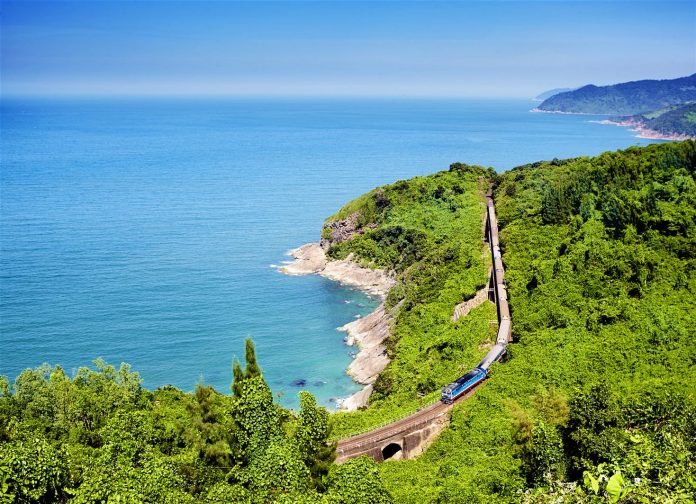
Some railways rattle through historic cities; others swoosh beside spectacular coastline. A few have an epic history, and one or two are remarkable for the colourful characters on board. The Reunification Express line, also known as the North–South Railway, fulfils all these criteria. One of Southeast Asia’s best-loved railways, its fortunes have waxed and waned with those of the country it traverses. Travelling more than a thousand miles from Ho Chi Minh City in the south to Hanoi in the north, there is no more atmospheric way to haul into Vietnam’s twin metropolises. And there’s no better way of exploring all the glories in between.
Ride the rails on an epic pan-US route
The California Zephyr, USA
Start – Chicago; End – San Francisco; Departs daily; Distance – 2438 miles (3924km); Duration – 52hrs 40mins
For soaking up the scenic grandeur of the North American continent, nothing compares with Amtrak’s California Zephyr train. This classic three-day journey travels nearly 2500 miles (4000km) across prairies, deserts, the Rocky Mountains and the Sierra Nevada on its way from Chicago to San Francisco. Scenery is magnificent throughout – especially when seen through the floor-to-ceiling windows of the lounge car – but if you can only do one section, opt for the riveting 185-mile (298km) stretch between Denver and Glenwood Springs, where the train travels through an often roadless wilderness of deep, narrow gorges near the Colorado River’s headwaters. A passenger train crosses the Devil’s Bridge on the Baikal-Amur Railway
Baikal–Amur Mainline, Russia
Start –Tayshet; End – Sovetskaya Gavan; Departs daily; Distance – 2687 miles (4324km); Duration – four days or more
Here’s a question that would confound even ardent railway anoraks. Which line runs through more than 2500 miles (4320km) of Siberian wilderness, connects remote settlements where temperatures sink to -60°C (-76°F) in winter and was envisaged as the greatest construction project in the history of the Soviet Union? The Trans-Siberian? Nope, it’s the Baikal–Amur Mainline, better known as the BAM – the rogue sibling of the infinitely more famous railway to the south. Built the better part of a century after the Trans-Sib, the BAM is colder, remoter and traverses scenery that is every bit as spectacular, but its rails are travelled by barely any tourists.
Add a stint of train travel to your South American adventure
Perurail’s Lake Titicaca Railway, Peru
Start – Puno; End – Cuzco; departs three times a week; Distance – 241 miles (388km); Duration – 10hrs
Traversing the Altiplano, from the shores of Lake Titicaca to the beating heart of the Inca capital, the railway from Puno to Cuzco cuts a ponderous but picturesque path through the snow-dusted peaks and voluptuous valleys of the Andes. Between drinks in the bar and enjoying entertainment and fine food in the restaurant, passengers aboard Perurail’s Lake Titicaca train can ogle the vista from an open-air observatory car, as they rumble across the epic Peruvian plains, passing hardy bowler-hatted llama farmers and travelling through remote towns and villages.
Make the ascent to Tibet from the comfort of a train
The Bĕijīng to Lhasa Express, China
Start – Bĕijīng; End – Lhasa; departs daily; Distance – 2330 miles (3750km); Duration – 40 hours
Linking the futuristic architecture and imperial wonders of Bĕijīng with the dreamlike monasteries and palaces of Lhasa, the Z21 train transports its passengers from the neon lights of urban China to a once-remote land of magenta-robed monks, where the air is heady with the aroma of incense and yak-butter candles. As it chugs westward the train climbs nearly 16,400ft (5000m) on its journey to the roof of the world: the Tibetan plateau, where it glides past grazing yaks, fluttering prayer flags, snow-capped mountains and boundless blue skies. On board, passengers slurp noodles and play cards with their bunkmates.
A Caledonian Sleeper train at Edinburgh Waverley Station
London to Fort William on the Caledonian Sleeper, UK
Start – London (Euston); End – Fort William; departs daily; Distance – 509 miles (819km); Duration – 13hrs 30 mins
Segueing from the sooty suburbs and crowded concrete-lined cul-de-sacs of central London to the crisp air and soaring vistas of the Scottish Highlands via one overnight train journey epitomises the romance of rail travel. It’s just a pity the whole experience – from buffet-car banter and single malt nightcaps, to being lulled into la-la land by the rhythm of the rails and waking to bedside views of towering granite peaks – feels like it’s over in a flash.
See Norway’s natural highlights on the Bergensbanen
The Bergensbanen, Norway
Start – Oslo; End – Bergen; departs four times a day; Distance – 308 miles (496km); Duration – 6hrs 30 mins
This astonishing train is one of the wonders of 19th-century railway building, and yet outside Norway hardly anyone knows about it. In just over six hours and 300 miles (490km) of travel, it covers the spectrum of Norway’s natural splendour: climbing canyons, crossing rivers, burrowing through mountainsides and traversing barren icescapes. All aboard for the Bergensbanen: a main line into Norwegian nature.
The TranzAlpine cuts through Arthur’s Pass in the South Island mountains of New Zealand
The TranzAlpine, New Zealand
Start – Christchurch; End – Greymouth; departs daily; Distance – 139 miles (223km); Duration – 4hrs 30 mins
In fewer than five hours, the journey renowned as one the world’s finest and most scenic one-day train rides spans very distinct microclimates in the South Island of New Zealand. Commence the TranzAlpine experience in Christchurch, before speeding along the Canterbury Plains and climbing quickly through the snow-capped mountains of the Southern Alps. After traversing some of the country’s more remote alpine scenery, descend through a thrilling tunnel to emerge among the lakes, streams and rainforests of the South Island’s West Coast. From there, more superb coastal and alpine scenery is on tap for independent travellers.
Start – Dar es Salaam; End – Kapiri Mposhi; departs twice a week; Distance – 1160 miles (1860km); Duration – 46 hours
On a continent where taking things slowly is compulsory, it won’t come as much of a surprise the 46-hour journey along the 1160-mile (1860km) route from Tanzania’s port city to New Kapiri Mposhi in Zambia often ends up taking far longer. Then again, few trains in the world offer the chance – and we should point out that it’s a chance rather than a guarantee – of spotting big game from your seat, but the Tazara (Tanzania and Zambia Railway Authority) does exactly that. For many, the highlight is neither the scenery nor the wildlife, though; it is the chance to spend two days watching everyday life out of the window, and enjoying the clamour and chaos when the train pulls to a halt, scheduled or unscheduled.
If you’re dreaming of packing your bags and hitting the road for a European adventure, this sleek newly announced mini-caravan may be the very vehicle for you.
The Carapate trailer. Image by Carapate
Called the Carapate, the camper weighs in at approximately 450kg, meaning that it can be towed by most cars. As well as being designed to be manoeuvrable in all seasons, the French-made vehicle offers good storage and comfort, and comes with three sliding panoramic windows, one skylight with a mosquito net and a blackout blind, a sliding drawer that is accessible from both inside and outside, a folding shelf, two closed storage spaces at the back, a technical cupboard and a three-piece removable mattress made from high density foam.
The inside features a three-piece removable mattress made from high-density foam Image by Carapate
The Carapate can also be upgraded with different options depending on what is needed, offering waterproof electrical power supplies, solar energy panels, a specialised charging panel, canvas storage pouches, expanded cooking options, and an additional mattress for children.
The trailer is designed to be pulled by most cars on the market. Image by Carapate
“We are passionate about micro-architecture and unusual lodgings. We have over 12 years of experience in design and interior architecture. For the Carapate, we did not want to redesign a teardrop trailer that we know and love. We wanted to find a new line inspired by different worlds, and also propose innovations such as our indoor-outdoor kitchen, modular mattresses and windows with panoramic views,” Jean-Marie Reymond of Carapate told Lonely Planet.
Additional features can be added, including extra storage options and a charging station. Image by Carapate
Jean-Marie also said that the interest in the trailers has been encouraging, with people of all ages and backgrounds inquiring about them. The company is currently working on finding agencies that can rent the trailers out, first focusing on Nantes in western France before exploring national options. Prices are currently being finalised, with a representative stating that the caravans will cost between €14,000 and €18,000.
Do flying saucers whiz across the Nevada desert sky on the regular? Alas, probably not. But while travelers, or a rogue group of raiders, may not spy any little green men on a visit to the famed Area 51, they can enjoy an out-of-this-world road trip.
The first report of UFOs at Area 51, tucked within the Nevada Test and Training Range, surfaced in 1955. People mistook test flights of the Air Force’s covert U-2 airplane for an alien invasion, and the government wasn’t about to correct them. The Soviets were watching, after all, and the feds wanted the plane kept quiet. The legend of Area 51 grew from there.
Visitors cannot actually venture into Area 51 — the Air Force is pretty touchy about any attempts to breach its training-range barriers, identified with fencing and, no kidding, motion detectors. Travelers have to settle for merely getting close to the site, which brave ones can approach near the Groom Lake salt flat.
To start our list of fun things to do near Area 51, we’ll begin in Las Vegas. Hit the Strip to ride up to the top of the Eiffel Tower, then buckle in for a quick jaunt around the state to see all the major Area 51 attractions.
Where to spot a UFO
Explore the truly unexplained in these spooky destinations that some say are hotspots for spotting UFOs and extraterrestrials.
Las Vegas Motor Speedway
After leaving Sin City, head east on I-15 to check out the Las Vegas Motor Speedway. Enjoy one of the racing experiences at the $200 million facility, tour the track or just grab a few goodies at the gift shop.
ATV Tours at Nellis Dunes from Las Vegas
Keep east on I-15 for the next destination. While nearby Nellis Air Force Base doesn’t appear to house evidence of extraterrestrial activity, it does feature some of the country’s most gifted pilots, who use the desert to practice aerial maneuvers. Watch these daredevils at play and spend an exhilarating afternoon traversing the desert with ATV tours at the Nellis Dunes.
You might also like
Pahranagat National Wildlife Refuge
Head north onto US Hwy 93 and forget flying saucers for just a moment. Instead, travelers will encounter something equally breathtaking winging across the sky. Pahranagat National Wildlife Refuge is a birder’s paradise. More than 400 species of feathered friends alight here each year, and the park offers camping along scenic Upper Pahranagat Lake.
Nothing but good eating on a trip to Area 51
E.T. Fresh Jerky
Just before entering Crystal Springs, feast at the town’s legendary E.T. Fresh Jerky rest stop, which bills itself as ‘jerky from Area 51.’ It’s supernaturally tasty. Munch away while snapping photos with the alien murals that surround the store.
Alien Research Center
At Crystal Springs, near the top of US Hwy 93, take a break to pop into Alien Research Center to get ‘the real story behind the myth of Area 51,’ as the center promises. And what is the truth? Well, don’t expect evidence of aliens or a staged moon landing, which some conspiracists claim occurred at Area 51. But the Alien Research Center’s theories are still fascinating.
UFO Capital of the World
Travelers should keep an eye out for spooky saucers as they merge onto State Route 375, aka the Extraterrestrial Highway. The town of Rachel is the self-billed ‘UFO Capital of the World.’ Most of its businesses boast alien themes. Watching the dazzling desert sunset here is worth the wait before returning to the road again. The sight will remind visitors of all this world has to offer.
You will come in contact with a different type of green men if you try to enter Area
Area 51
People can’t actually enter Area 51 unless they want to meet not-so-little men in green fatigues carrying guns. To approach the gate without getting too close, follow the dirt roads to the entrance nearest to Rachel. Then gaze from afar.
Tonopah Brewing Company
Back on the ET Highway, craft brewery fans will want to drive north to State Route 6 into Tonopah. Venture into town for a delicious meal of barbecue and beer at Tonopah Brewing Company.
There’s always something unique to see when you head to Area 51
International Car Forest of the Last Church
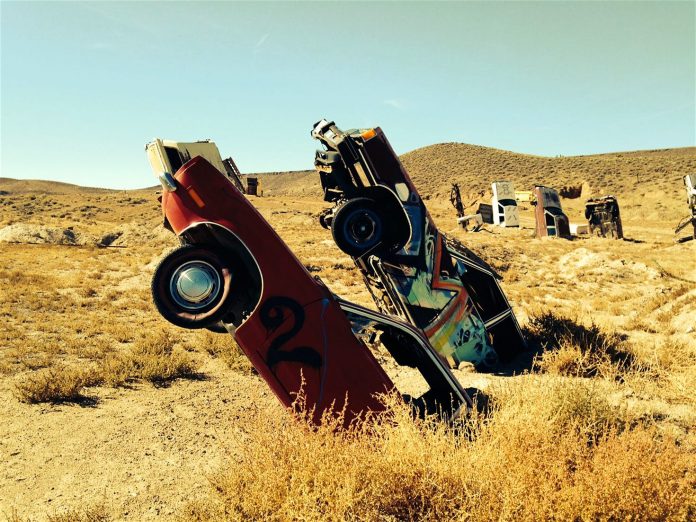
From 6, go south on State Route 95 until Goldfield appears, and with it the nearby International Car Forest of the Last Church. It’s hard to believe this audacious art installation is native to this planet. The Forest features about three dozen vehicles — cars, delivery trucks, even limousines — buried bumper-first in the ground.
Rhyolite
National Atomic Testing Museum
Adventurers can hop on 95 and wrap up the trip back in Vegas, finishing with an educational grand finale. Explore the National Atomic Testing Museum, which regularly features UFO exhibits.
Get more travel inspiration, tips and exclusive offers sent straight to your inbox with our weekly newsletter.
The Afropunk Festival is a movement against the grain of modern pop culture, a true celebration of blackness in all its forms. For one weekend in August, the oldest park in Brooklyn transforms into a musical haven for artists and festival-goers who boldly exist outside ‘the norm’. Here’s a first-timers guide to enjoying the truly unique Brooklyn festival.
The Afropunk Festival is a celebration of the black punk scene
Afropunk’s history
Afropunk is much more than a music festival, it’s a celebration of a culture and the very people behind shaping that culture. The festival’s conceptual roots are based in carving out space for alternative black youth to thrive and reclaim the roots of Rock & Roll within the white punk subculture.
Though Brooklyn is the original home base, Afropunk is now global with festivals in Atlanta, Paris, London and Johannesburg.
The theme for this year’s Brooklyn Afropunk is ‘We See You’, promoting ‘a message that brings together Afropunk ideology and the people who support it, under the banner of acknowledgment, in resistance to those who strive to oppress.’
The details
Location: Commodore Barry Park
Dates: August 24-25 (rain or shine)
Doors open: Noon
Tickets prices: single day passes $60-$70; two-day passes $130; $160 VIP (all purchased online)
How to get there: N, 5, C trains
FKA Twigs is slated to perform Sunday night
Afropunk lineup
Saturday’s musical lineup includes international acts such as Jill Scott, Leon Bridges, Goldlink, Tierra Whack, Nao JID and Red Arkade. Sunday will showcase an eclectic mix that includes FKA Twigs (who rarely performs in the US), Santigold, Toro Y Moi Dany Brown and Rebelmatic.
There are four stages – black, gold, red and green – with artists rotating every hour. Download the Afropunk app for set times and to plan your day around which artists you want to see. Organized fun is key here because the crowds and foot traffic will likely get very intense (and almost immovable) between performances, especially when big-name artists hit the stage.
There are no rules when it comes to fashion at Afropunk
Afropunk chic
A walk through the crowds at Afropunk is an immersive experience. Every inch of the park is an extravagant fashion show with people of all ages wrapped in decadent headscarves, dripped in jewels or chains or wearing very little at all. So pull out that outfit you’ve been too afraid to wear in public because anything goes under the Afropunk spotlight.
Support a cause
Outside of aesthetics and music, Afropunk is filled with a wealth of knowledge. Festival creators say ‘Afropunk is the microphone of thought and a different perspective’
‘Activism Row’ is a section dedicated to educating festival-goers on how they can make a difference. Before making it to any of the stages, you are instantly engulfed with a vast array of black-made art, posters, tributes and murals celebrating the lives of Trayvon Martin, Michael Brown and Eric Garner.
Afropunk is also a showcase for local artists
If you get tired of hopping from stage to stage you can join the interactive part of the festival by engaging in live art and painting. Or strike a pose in front of one the interactive backdrops intentionally propped up to satisfy all of your Instagram needs.
Where to eat
Whether you’re in the mood for bite-size, deep-fried chicken and waffles smothered in syrup, perfectly spiced Jamaican jerk chicken, or a plant-based alternative, Afropunk has welcomed some of New York’s top eateries like Sweet Chick, Try Vegan, Lolo’s Seafood Shack, Jamrock Jerk, Doughnuttery and more.
Local attractions
While traveling around the Fort Green area, remember there is an endless bank of activities at your disposal. Take the B train down to Brooklyn Academy of Music to see BAM’s oldest performing arts center or follow your sweet tooth down to Dough for an NYC-native approved donut.
Get more travel inspiration, tips and exclusive offers sent straight to your inbox with our weekly newsletter.
From the monument and museum-filled Mitte to creative Kreuzberg and the pristine Prenzlauer Berg, Berlin has something for everyone. If you’re spending a weekend in this diverse metropolis, we’ve put together a guide for how to get the most out of Germany’s capital city.
Evening
Kick off your wild weekend by responsibly fuelling up on carbs at Goldies, the home of Berlin’s messiest (but tastiest) fries. Wander along the lively Oranienstrasse and stop for a drink at one of the many local watering holes, like hipster haunt Café Luzia or the swanky ORA, a re-purposed 19th century pharmacy brimming with old-school-cool vibes.
Take in the vibrant atmosphere of the iconic Kottbusser Tor (affectionately known as ‘Kotti’ to locals) as you walk towards the unassuming entrance of Fahimi, a ‘secret’ bar accessed through an unmarked door. If the weather allows, take a stroll down to the idyllic Admiralbrücke where locals love to hang out with a few späti (convenience store) beers during the warm summer evenings.
If you feel the pangs of late-night hunger, the streets of Kreuzberg are lined with places to buy Berlin’s favourite street food – the döner kebab – or you can make your way to Schlesisches Tor for Burgermeister, a stall cranking out exquisite burgers from a converted public toilet under the train tracks.
Take the number 100 bus and hop off at Berlin’s iconic landmarks
Saturday
Morning
Start the day with an intensely fluffy cinnamon roll and a coffee from Zeit für Brot before jumping on the number 100 bus (€2.80), which will take you on a wallet-friendly tour of all the most important sights in the German capital. Be sure to hop off at the Brandenburg Gate to grab a few selfies, before heading over to the Reichstag to see where the country’s laws are made. Tours of the Reichstag need to be booked in advance, but you have the option to see aerial views of the entire city from the glass dome at the top, you just need to register on the day.
Alternatively, you can also get a great view from the top of the Siegessäule (Victory Column), but you’ll need to contend with the 285 steps to get all the way up. While you’re in the area, be sure to grab a moment of peace in Tiergarten, one of the world’s largest urban parks.
The Topographie des Terrors is another must-see along the 100 bus route, offering a deeply interesting, sombre look at the atrocities committed by the Nazis. After reflecting on the darkest period of Germany’s history, stop by the Holocaust Memorial to pay your respects.
After craning your neck to gaze up at the Fernsehturm (TV Tower) at Alexanderplatz and refuelling with an obligatory currywurst (sausage with curry powder and fries), wander over to Museum Island. Here you’ll find fine art, historical relics, and the very modern latest addition, the James-Simon-Galerie.
Take the S-Bahn to Warschauer Strasse and marvel at the iconic Oberbaumbrücke, Berlin’s prettiest bridge, before wandering along the East Side Gallery. This preserved stretch of the Berlin Wall is now adorned with commissioned artworks and recreations of the most famous graffiti from the time of Berlin’s division.
If all that history has left you feeling parched, keep walking along the river until you reach Holzmarkt, a beautiful, rustic bar complex sitting on the banks of the Spree.
Berlin is your oyster, and Saturday night is the perfect time to party! Whether you’re a staunch techno fan or you like to jam out to the oldies, you’ll find a nightclub to suit you. To get in the mood, load up on Club-Mate before heading out; a sparkling iced tea loaded with caffeine that locals love for late nights on the town.
Check out Berlin’s most famous flea market in Mauerpark
Sunday
Morning
To many Berliners, Sunday means a long lazy morning at brunch, usually in buffet form. Head to Pasternak for a taste of Russian influence or stick with more Western fare at Betty ‘n Caty before taking a walk over to Mauerpark, the home of Berlin’s most popular flea market. Wander past rows and rows of knick-knacks, vintage furniture, second-hand clothes, locally crafted accessories, artisanal liqueurs, GDR memorabilia, all while getting some sublime people watching in.
The Berlin Wall Memorial is a sombre look at the city’s past
Afternoon
Now that you’ve worked up an appetite, head to Kulturbrauerei where the eclectic Street Food Auf Achse is held every Sunday from January to October. Countless food trucks and vendors descend on the cultural centre every week to sell the delicacies of their homelands, from Brazilian tapioca treats and Argentinian empanadas to Chinese dim sum and Italian porchetta.
Next stop is the Berlin Wall Memorial, a long open-air exhibit following the length of the Berlin Wall from Bernauer Strasse to Nordbahnhof, reflecting on the daily struggles of those who lived in a divided Berlin at the epicentre of Cold War tensions.
Aim to wind up at The Castle on Invalidenstrasse to grab a cool craft beer.
Where to stay
Berlin’s various districts have distinct personalities, so it’s a good idea to find which one is right for you. If you’re mostly here to hit the clubs, staying in Kreuzberg or Friedrichshain will allow you easy access to your hedonistic pursuits without having to fork out for taxis every night. If you’re here to fill your weekend with history, museums and art, the central district of Mitte is your best option. Coffee lovers and foodies who like a trendy twist will prefer Neukölln and Friedrichshain. Prenzlauer Berg offers a cleaner and more serene stay while still having great access to the rest of the city, and Charlottenburg is the best bet if you’re here for shopping. Schöneberg is known as the city’s LGBT hub, where you’ll find many gay and queer-focused hotels and hostels.
How to get there
Berlin has two international airports, both with flights to major cities across the globe. A bus service (€2.80) is available from Tegel Airport in the northwest, and buses and trains (€3.40) to the city centre are available at Schönefeld Airport in the southeast.
Get more travel inspiration, tips and exclusive offers sent straight to your inbox with our weekly newsletter. Make the most of your travel with sightseeing tours and activities from our trusted partners.
Dancing in the streets, earth-shaking soundsystems and heady aromas of BBQ pits: Notting Hill Carnival returns to West London this August with its unmissable taste of all things Caribbean. With over one million people expected to attend and hundreds of things to see and do the event can be overwhelming, but don’t let that faze you. Read through this guide, dig out your best feather-trimmed two-piece, and join the celebration of West Indies heritage and culture.
When does Notting Hill Carnival take place?
Notting Hill Carnival takes place on Sunday 25 August and Monday 26 August 2019. They’re the official, free-to-attend dates, but there are countless pre- and post-Carnival parties to make the most of the long weekend.
On Saturday 24 August, it’s the steelband competition Panorama. The open-air play-off will crown the UK’s best steelband, and takes place in Emslie Horniman’s Pleasance Park from 6pm. Tickets are £10 with proceeds split evenly between all the bands.
Lots of people take children to the carnival, especially on Sunday. It’s generally a bit quieter, but there’s still parades, so families should be prepared for big crowds.
On Monday the festival is in full swing: jam-packed streets, dancing revellers, and soundsystems blasting out soca. It’s also the day of the main parade, when Mas Bands with their dancers kitted out in glittering costumes dance their way around the perimeter of the event. Full timings and a parade route will be announced closer to the day; check the official website for up-to-date information and/or download the app.
One of the biggest joys of Notting Hill Carnival is stumbling upon a sound system that’s playing your tunes. Some people hop from one to another before they settle on one for a boogie, while others plan a route to visit their favourite DJ collectives. Either way, there’s something for everyone, from reggae to hip hop, cumbia to house. Salsa fans should check out the Latin Rave on Portobello Road; reggae lovers head to festival veterans Channel One Sound System for classic roots; or get your funk fix at Disco Hustlers on Powis Square.
What’s the food and drink situation?
The Jamaican jerk chicken is a must-try at the festival, and with over 300 food traders serving this year’s festival you’ll easily find something to fuel your dancing. Veggie options are available too, and last year there was an increased focus on vegan food. If they’re drinking, most people bring their own alcohol, but you can keep hydrated with a fresh coconut or indulge in a rum cocktail from one of the street traders. ATMs are dotted around but they might run dry – save yourself a headache and get cash out in advance.
Notting Hill’s sedate streets are full of sound at Carnival time
What’s the best way to get there?
There’s over a million people estimated to attend this year’s event, so it’s best to make peace with queuing for the tube now. Leaving adequate time to get around is vital, as the streets will be jam-packed with people. Ladbroke Grove tube station will be closed on the day to avoid overcrowding, and some stations – like Holland Park and Notting Hill Gate – might have restrictions. The Notting Hill Carnival app has a handy map with the best bus routes and tube stops to use. Check in with Transport for London for any updates on the day.
What’s the toilet situation?
The queues for the loos at Notting Hill Carnival are nothing short of legendary. Pack toilet roll and hand sanitiser, and if you’ve got kids in tow, bring a travel potty. The carnival’s app maps out all the public toilets, so if the queues at one stall are unbearable, you can head to a loo a little more off the beaten path. Some people open their homes and let you use their bathroom for £1 or so; use discretion, but if you want to go down this route then bring some small change.
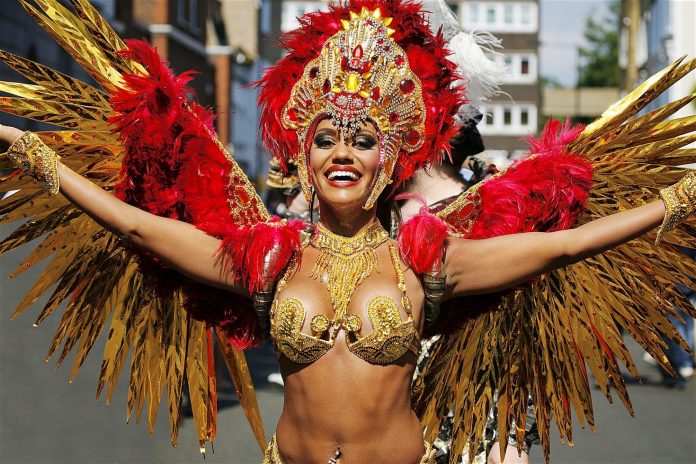
A happy-looking parade participant at Carnival; he wears a huge orange feathered costume with an elaborately beaded headdress and collar rimmed with gold-tipped animal teeth.
How did Notting Hill Carnival start?
Notting Hill Carnival’s roots run deep, but Claudia Jones is generally agreed to have set the scene for the two-day event. The activist, feminist and journalist first organised a Caribbean festival in St Pancras Town Hall in 1959, and it continued for the next six years, celebrating Afro-Caribbean heritage against a backdrop of racist attacks against London’s black population.
Jones’ idea was to quell racial hatred through music and dance, a concept which inspired events across the capital. In the ’60s (some sources say 1965, others ’66) an outdoor festival took place in Notting Hill, organised by social worker and campaigner Rhaune Laslett-O’Brien. The local activist wanted to remedy inter-racial relations in her community, and with the help of West Indies music she created a vibrant, multi-racial event which blossomed into the carnival we enjoy today.
Leo season comes as a welcome relief after July brought us an intense pair of eclipses and Mercury in retrograde for most of the month. The sun is the natural ruler of Leo, meaning no matter your sun sign you might feel more confident and able to tap into your creative potential during this time. Read on for your own travel horoscope.
The month of August starts on the heels of a new moon in Leo, offering an opportunity to get clear on how you’d like to execute upcoming projects and goals. On August 11, Mercury, the planet of communications, commerce, and travel, joins the sun in Leo, inspiring you to share your ideas and live in the moment. A full moon in Aquarius arrives on August 15, inviting you to release outdated traditions and invent new celebrations more aligned with your values.
The first few weeks of August invite a sense of whimsy and play, but energies will shift as the planets make their way into the determined earth sign of Virgo. The sun enters Virgo on August 23 and you might notice your focus drifting to more practical matters. A new moon in Virgo on August 30 is a great time to recommit to wellness practices that help you operate at full capacity.
Aries (March 21-April 19)
Leo is a fellow fire sign that shares overlapping traits with Aries. It’s a good time to challenge yourself with an extended camping trip that reinforces your independence and ability to provide for yourself, even with barebones amenities. Colombia’s Lost City is older than Machu Picchu, but the intimidating five-day trek makes it a much less popular excursion among tourists. The hike is 46km round trip and you’ll need a licensed guide to navigate you through the untamed jungles.
Uranus, the planet of upheavals and revolutions, has been traversing Taurus since April, which can bring unexpected surprises and breakthroughs. You might feel similarly disrupted when Uranus goes retrograde on August 11, so why not indulge yourself in the luxuries you adore? Summer heat makes a relaxing beach vacation an ideal choice; head to California’s central coast where you’ll be met with an impressive selection of wineries and mild temperatures.
Gemini (May 21-June 20)
Your ruling planet Mercury is finally direct, meaning that you can speak your truth without fear of reprimand. Geminis loves stimulating interactions and a trip that flexes your communication skills will get your intellectual engines revving. Where better than the bustling metropolis of Mexico City? The capital of Mexico is the largest city in North America and quickly turning into an international hub. Regardless of which language(s) you speak, you’ll have a blast honing your linguistics at local markets, plus the city has plenty of art and history to keep your active mind engaged.
Your sensitive nature means you’re probably still reeling from the recent eclipses and Mercury Retrograde, so take some time to pamper yourself this month. Yours is a sign that appreciates the comforts of home and treating yourself to a staycation is a great way to switch up your environment while avoiding the stresses of catching flights and navigating through airports. If you’re itching for a getaway, Bryce Canyon, Utah has amazing views without the crowds you’re bound to encounter at nearby Zion National Park.
Leo (July 23-August 22)
It’s your birthday season and in true Leo fashion, you’re obliged to go all out. It’s the perfect time to assemble a group of your most spontaneous friends and jet-set to a sparsely populated island where you can truly be the center of attention. Head to the Caribbean island of Grenada, where you can lounge on the iconic Grand Anse Beach, snorkel in the world’s first underwater sculpture park, or hike through the tropical rainforest.
Virgos are known for their incredible discipline and you might have a tendency to bring work with you on vacation. The Virgo new moon on August 30 is a great time to reconsider your habits and prioritize work-life balance. Locales that force you to unplug while stimulating your intelligence (thereby making you feel like you’re being productive) are a great option for you. Havana, Cuba is a city that teems with history and culture, but steady Wifi can be hard to come by. Put your energy into creating an in-depth itinerary that distracts you from the fact that you’re on vacation.
Libra (September 23-October 22)
Ruled by Venus, Libras have an affinity for aesthetics, both natural and manmade. With Venus currently sashaying its way through the dramatic sign of Leo, you might be feeling especially inspired by art and performance. Head to Edinburgh, which is known around the world as the Festival City and hosts a month-long fete where multiple festivals join forces to celebrate the arts with ongoing theater, opera, dance and musical performances.
Scorpio is a probing water sign that likes to go deep. While the recent eclipses and Mercury Retrograde might have thrown most through a loop, you likely appreciated the clarity and insights that came forth. August invites you to act on recently surfaced ideas and a tranquil respite gives you the space you need to ponder. Head to Yamanashi to visit Japan’s whimsical wine country, where the peaks of Mt. Fuji and blooming cherry blossom trees are sure to inspire.
Sagittarius (November 22-December 21)
With the sun moving through another fire sign, your impulse to explore is buzzing stronger than ever. You enjoy breaking new ground and sharing your wisdom with others, which makes Egypt’s two new pyramids a must-visit for you. Located just 40km outside of Cairo, the Bent Pyramid and its satellite in the Dashur royal necropolis haven’t been opened to the public since 1965 and both contain well-preserved tombs and mummies that are over 4,000 years old.
You might still be processing last month’s full moon lunar eclipse in Capricorn and a trip that will help you integrate this new-found knowledge will be well-received. You have a strong work ethic and rarely take time off, but being a cardinal earth sign means that you draw inspiration from the natural world. A Pacific Northwest road trip from Horseshoe Bay (just north of Vancouver) to Pemberton, BC, offers stunning ocean and mountain views, plus plenty of parks to explore.
Aquarius (January 22-February 18)
A full moon in Aquarius will light up our night skies on August 15 and you might experience a similar illumination of ideas. Arquarians are known for their innovative approaches and this month might inspire you to trail blaze into new territories, whether at work or in your personal life. A trip to the colorful La Boca neighborhood in Buenos Aires, Argentina is guaranteed to get your creative juices flowing, with live tango performances on practically every street corner and an array of art museums to explore.
Pisces (February 19-March 20)
As an intuitive water sign, fiery Leo season might be intense for you. Those born under Pisces thrive off of authentic connection and spending time with close friends is one way to combat this energy. Invite a couple pals to join you in Roatan, a small island within Honduras’ Bay Islands that’s home to the world’s second largest barrier reef. The burgeoning beach destination is the perfect place to cool off from Leo’s blazing temperatures.
One of the biggest cultural events of the calendar year, Burning Man sees 70,000 people voyaging to the playa of Nevada’s Black Rock Desert to build a temporary civilisation free from the usual societal constraints. It has become iconic in its scope and identity, and now, ahead of Burning Man 2019, a new photo book has been released that offers a stunning insider’s perspective on the famous event.
A view of Black Rock City in Nevada. Image by Will Roger
Called Compass of the Ephemeral, the photobook presents a collection of landscape, aerial and drone images taken by the event’s first Director of Operations and Cultural Co-Founder Will Roger between 2005 and 2018. The images have been put together in a never-before-seen collection along with those taken by other photographers. Published by Small Works Press, a local Las Vegas independent company, the book maps the dramatic expansion of Burning Man since its conception in 1986, focusing specifically on how Black Rock City has changed.
A bus is seen in the desert in 2013 with the Milky Way overhead. Image by Vanessa Franking
“This book provides some insight and documentation into the development and growth of the temporary metropolis that is created and disappears each year on Nevada’s Black Rock Desert. It tells the story of growth, community engagement and artistic interaction. The reader will gain insight into the inner working, challenges and decisions that made the growth possible. The aerial photographs, while taken with an artistic intention, also are documents of Black Rock City blossoming over 14 years. This book has an intriguing blend of artwork, photographs and essays that make up an entertaining insight into a portion of its history,” Author Will Roger told Lonely Planet Travel News.
A temple construction from 2017. Image by Will Roger
One of the event’s most famous sights each year are the intricate and astounding art projects, sculptures and interactive displays created by its attendees. In the book, Will Roger documents these projects, from the planning stages through to completion.
Compass of the Ephemeral is available through the official Small Works Press website.